



 通过中商114认证

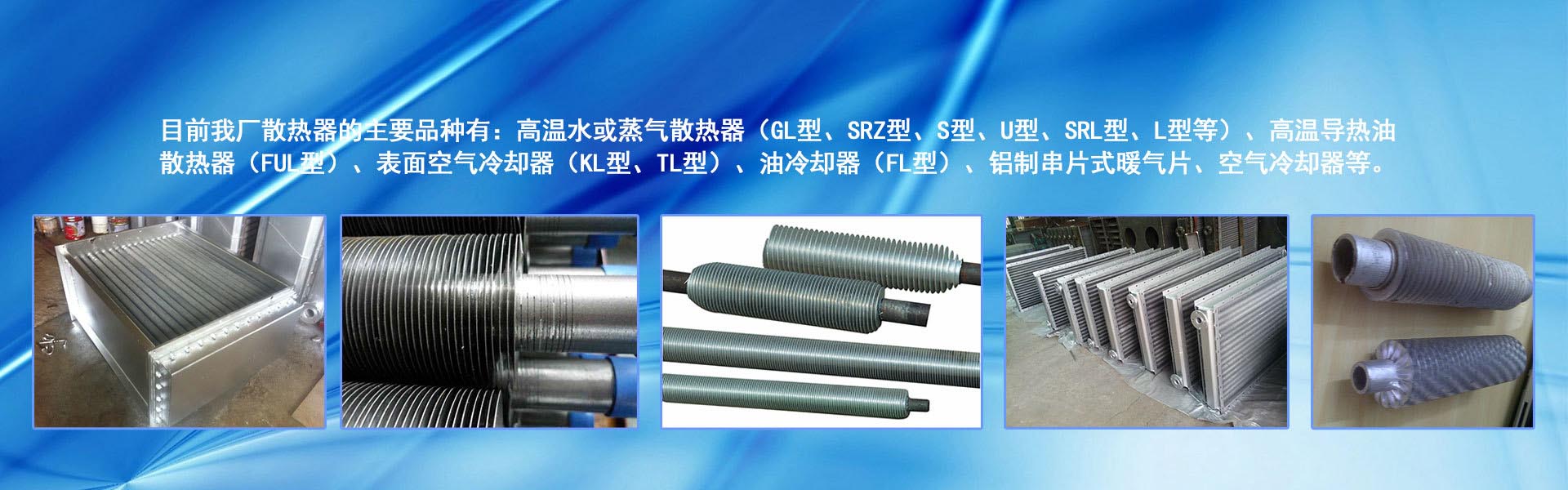
Industrial steam radiators feature a long service life, fast heat dissipation, large radiator surface area, wide application range, ease of cleaning, and no need for maintenance. Additionally, the steam system of industrial steam radiators is energy-efficient, allowing the system to shut down after operation while retaining residual heat to prevent mechanical equipment from freezing and being damaged. However, it can also be activated during operation, boasting energy-saving and environmental-friendly characteristics. Primarily used in industrial heating systems, they are connected to seamless steel pipes, operate simply, and provide ample heat supply.
When the room temperature falls below 0°C, do not fully close all valves (radiator bleed valves) in rooms that have not been heated for a long time. It is a main equipment in the heat exchanger unit, using cold and hot mediums to cool or heat air coolers. Introducing high-temperature water, steam, or high-temperature thermal oil can heat the air, while introducing saltwater or low-temperature water can cool the air. Due to the expansion of water inside the radiator or pipes when affected by external factors, the expansion tank inside the heating boiler cannot relieve the pressure, which may lead to the破裂 of radiators or pipes in severe cases. It is essential to vent the radiators promptly and correctly.
Industrial Steam Radiator Maintenance and Repair
Water radiators require regular maintenance to ensure efficient heat exchange between the coolant and air. Generally, after a certain period of operation, the exterior and interior of the water radiator should be cleaned. To clean the internal scale and sediment, first drain the water from the radiator, then flush the core with pressurized clean water until the outflow is clear.
