



 通过中商114认证

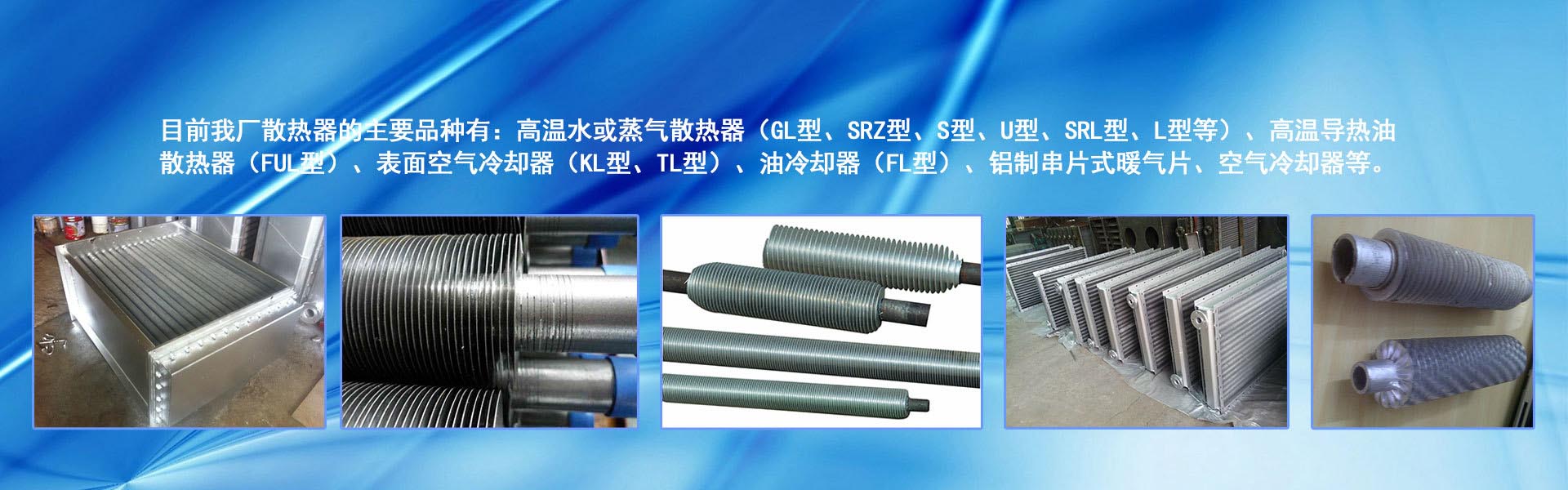
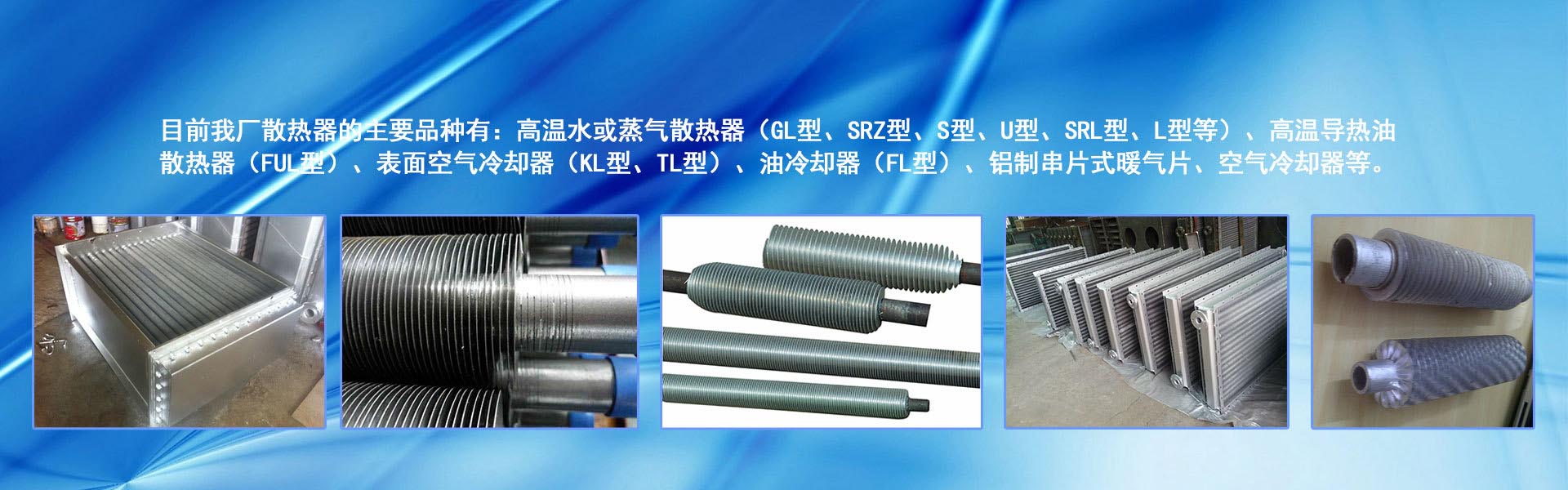
Fin-tube heat exchangers are a common type of heat exchanger, whose function is to dissipate heat through the fin tubes. However, after some time, we may find that their heat dissipation performance will decline. Let's analyze what situations can lead to a decrease in the efficiency of the heat exchangers.
Reason 1: The finned tube heat exchanger is a heat exchange device composed of fins and heat exchange tubes made from carbon steel, stainless steel, and aluminum fins. Due to prolonged use and high temperatures, metal components are prone to corrosion and rust, leading to uneven heat dissipation on the heat transfer surface and inefficient performance.
Reason 2: The heat exchanger tubes are wrapped around steel strips while utilizing the skin effect and proximity effect of high-frequency currents, until they reach a plastic state or melt, and then are welded. Poor welding can lead to detachment and loosening, which may cause some warped tubes to malfunction and fail to dissipate heat properly.
Reason 3: Internal events on the chip can lead to calcification and dirt buildup, adhering to the inner wall and significantly affecting the heat dissipation performance.
