



 通过中商114认证

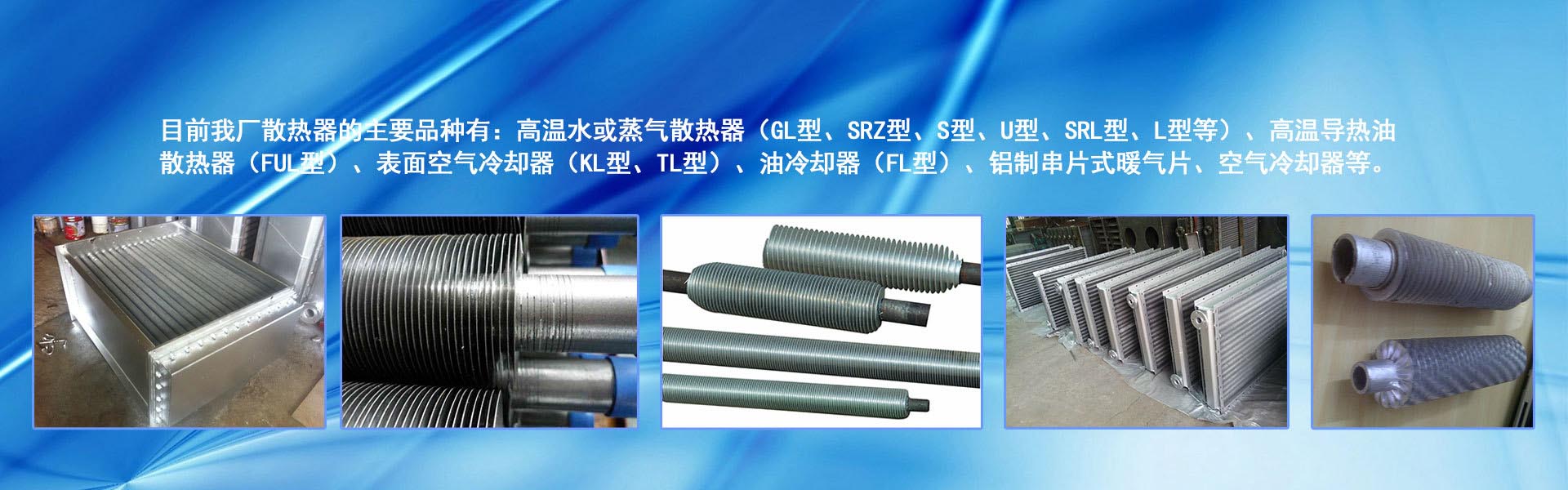
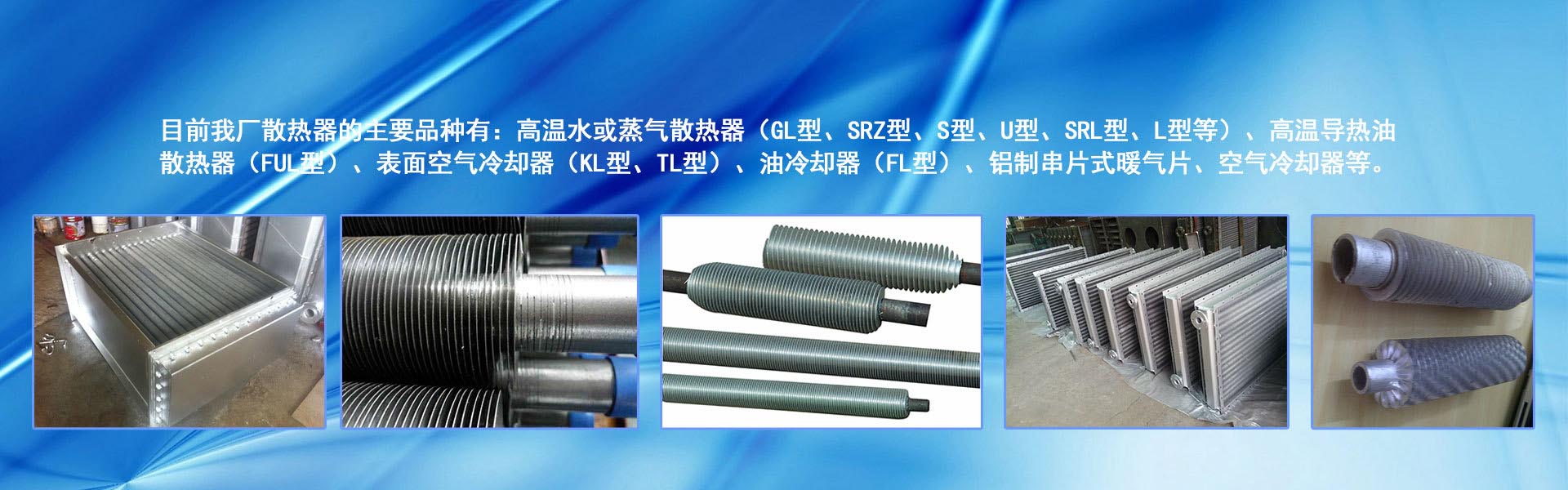
Finned tubes, as the main components of industrial air heat exchangers, primarily function in heat conduction. What materials are typically used for finned tubes, and how do their performance characteristics stack up?
1: The steel-aluminum composite finned tube employs advanced composite technology, offering essentially no thermal resistance under 300 degrees Celsius within the tube. This material combines the toughness of steel with the high thermal conductivity of aluminum, boasts excellent thermal conductivity, and also prevents steel from oxidation and has good corrosion resistance. The fins are free of creases, do not accumulate water easily, have good coiling characteristics, are easy to clean, possess strong pressure resistance, and have a large heat transfer area per unit.
Carbon Steel Finned Tubes; Carbon steel offers excellent rigidity, making it suitable for high-pressure and high-temperature environments. The basic process for manufacturing carbon steel finned tubes involves first welding multiangular cross-sectioned multi-ribbed shells or multi-ribbed sector shells with both ends sealed. After filling the inside with pressure medium, internal pressure is applied. Under the internal pressure, the cross-section gradually transitions from polygonal to circular, forming a circular shell. There are three types of flange sealing surfaces: flat sealing surface, suitable for low pressure and non-toxic media; concave-convex sealing surface, suitable for slightly higher pressure conditions.
Certainly, there are; stainless steel, copper, in fact, different material finned tubes possess their respective metal properties and advantages vary. When selecting, we can choose according to actual needs.
