
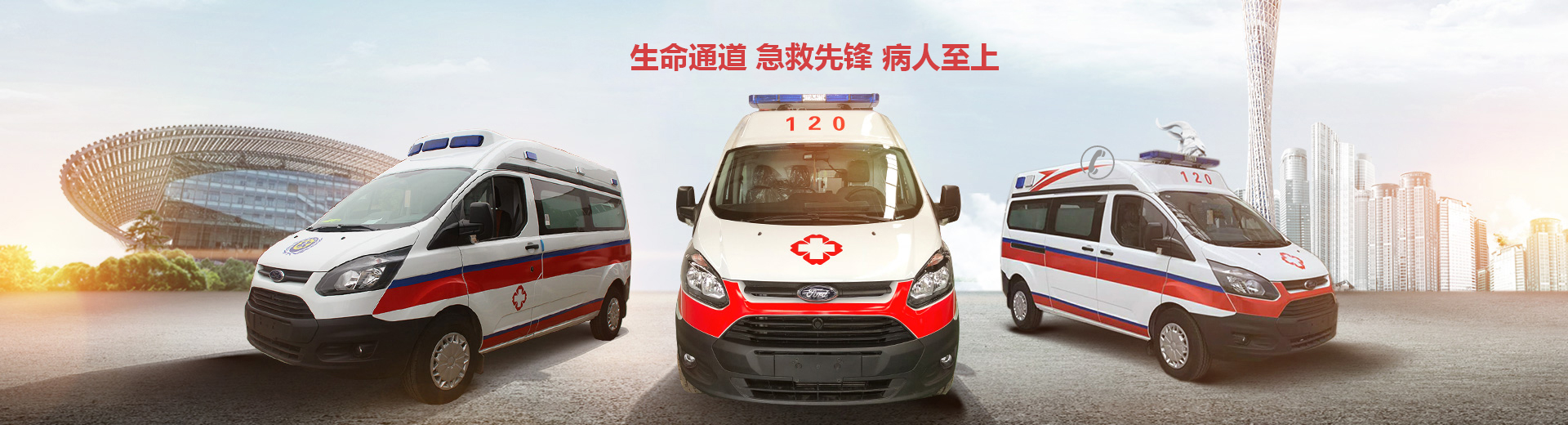


7No Chinese content provided.22On the day, the Emergency Medical Center in Nanjing, Jiangsu Province, dispatched its vehicles521Next, the no-load runs reached...124Half of the "empty runs" caused by requests for help, such as minor injuries, stomachaches, and intoxication, occurred on that very day.103Patients in urgent need of medical attention are unable to access vehicles or experience delays in transportation.This situation is not an isolated case. Data shows,2019Year, the center dispatched over1510,000 passengers, with an empty vehicle rate of16%Analyze the reasons for ambulance empty runs.“Headache and fever”The leading cause of ineffective assistance is the inability to reach the person who reported the incident; other reasons include not being able to contact the person who reported the incident upon arrival.
For instance, when passersby notice someone intoxicated or lying on the street, they call emergency services and then leave the scene. Upon the arrival of the ambulance, no one is found at the site or the person explicitly indicates they do not wish to go.Some callers, often family members or friends, seek assistance after the patient's condition improves or symptoms subside, or when they no longer require emergency care or self-treat. However, they fail to promptly contact the rapidly approaching ambulance en route to the scene. It is typically only when the ambulance arrives that they are informed to send the vehicle back. Such situations consume a significant amount of emergency resources.
There is no explicit regulation regarding when an ambulance should be called, but any call prompts the emergency center to dispatch a vehicle. Dispatchers will strive to dissuade calls in situations where immediate medical assistance is not required.However, non-face-to-face communication has many limitations, what if we make a wrong judgment? Being on call and immediately responding to emergencies strains emergency resources; on the other hand, what if we don't respond and miss out? Emergency centers often find themselves in a dilemma.
Some have suggested whether malicious callers can be listed as...“Blacklist”In fact, the "Regulations on Pre-hospital Emergency Medical Treatment in Nanjing City" has already stipulated this, clearly stating that false reporting of emergency calls and malicious calls, when serious, will be identified by relevant departments and included in the public credit system.In reality, it is difficult to define the boundaries of punishment, and it has not truly served as a deterrent. Some have proposed that it may be appropriate to increase...“120”Emergency response fees are implemented to filter out unnecessary emergency calls. Reducing the rate of empty runs for ambulances fundamentally requires public support and cooperation, rational requests, and minimizing resource waste.
Although there are no current call standards and it's challenging to establish them, for minor injuries or common colds with fever, there's no need to dial emergency services. Every emergency call could be a matter of life and death. It's a reflection of civic responsibility to reserve emergency resources for those in critical condition who truly need them.
Currently, emergency centers and media have conducted extensive public education on the proper use of first aid resources. In the future, we will further intensify public education efforts, enhance the specificity of education, and make more members of the public aware of the preciousness of first aid resources. This will help avoid duplicate, erroneous, or ineffective calls, and leave limited first aid resources for those who truly need them.ZNo content provided for translation.
