
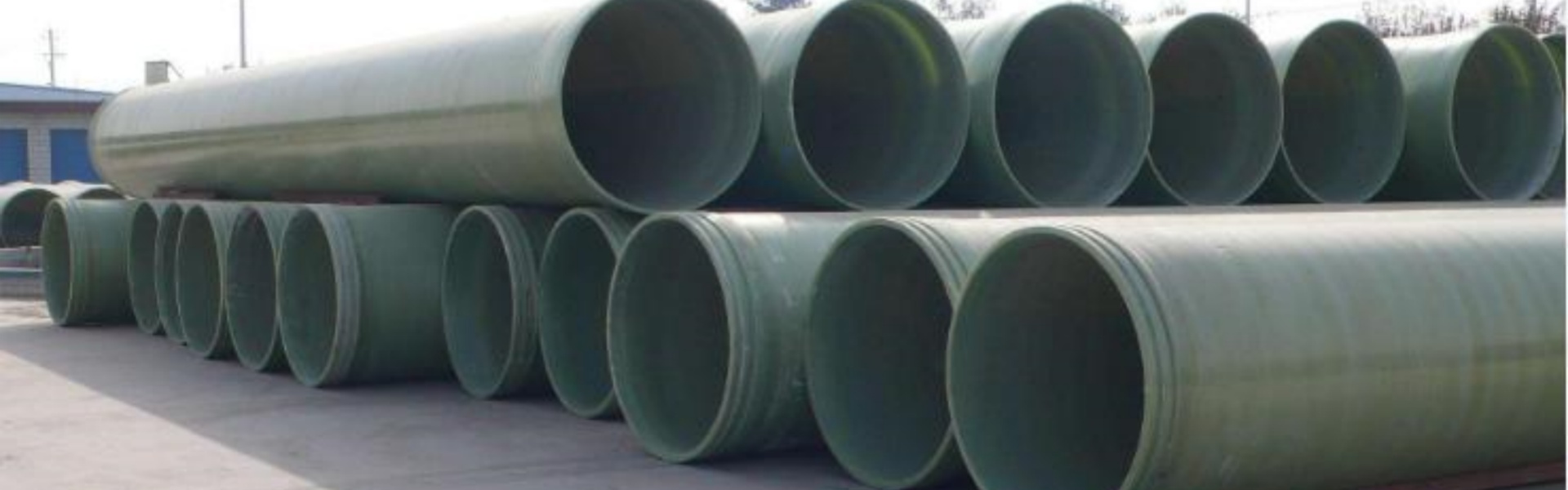
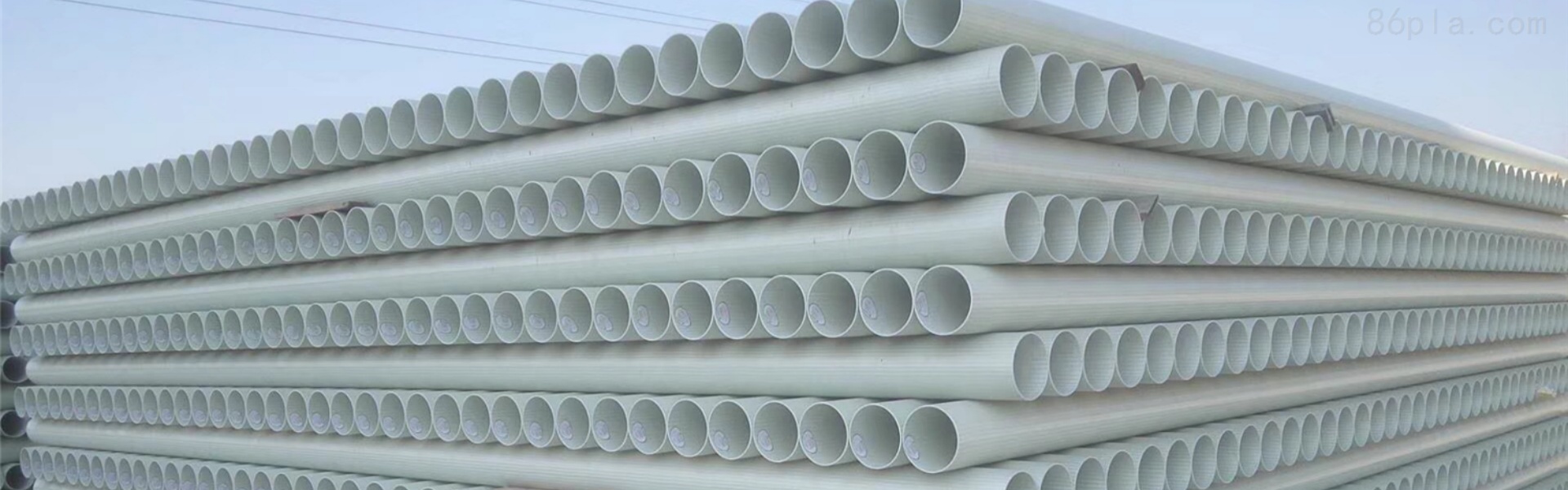
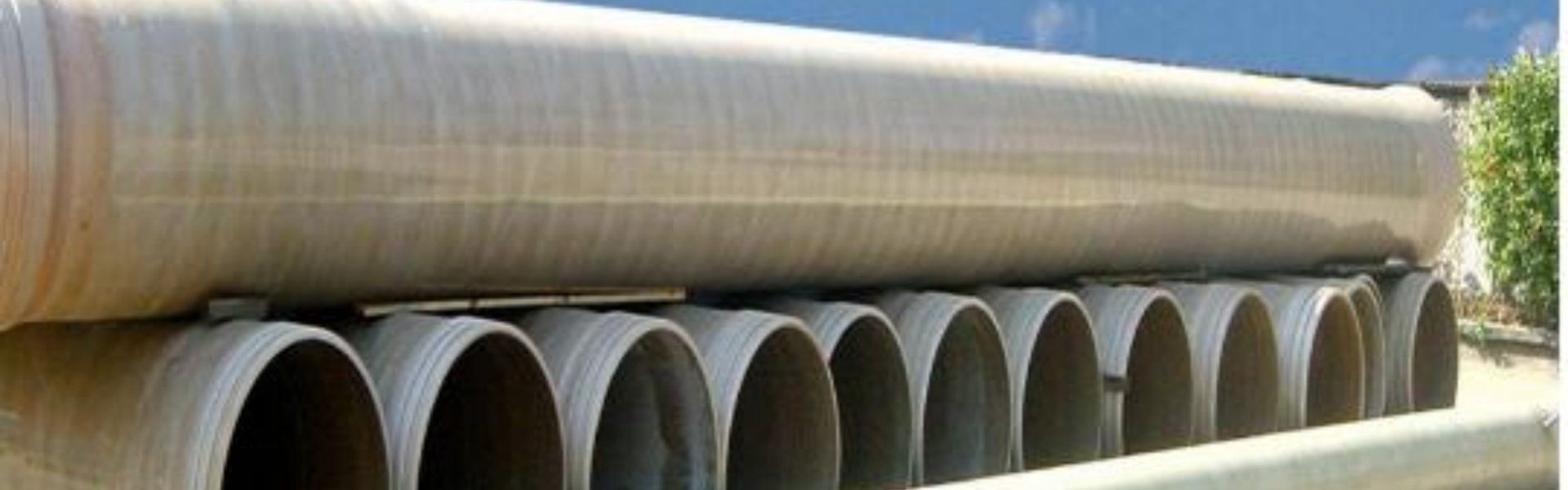

Before installation, FRP pipes should be inspected for appearance and dimensions, and accepted according to the factory's certificate of conformity.
The pipeline installation diagram serves as the basis for pipeline installation projects. The laying of FRP/PVC pipes (including connection types, coordinates, elevations, slopes, and directions) and their supports, as well as the connections between FRP/PVC pipes, equipment, and pipeline accessories, the installation locations and supports of pipeline accessories, all must comply with the design drawings. Any changes must be coordinated with the design unit for resolution.
③ Pipeline installation: Attachments should be installed sequentially from one end of the pipeline to the other, following the sections as indicated in the pipeline installation drawing. Support brackets or seats should be set up at the other end, and temporary supports may be required during installation. When hoisting the pipeline, protective measures must be taken for the outer surface to prevent direct contact with the wire rope, to avoid localized stress.
④ The connection points for FRP pipes are only permitted on straight sections. The distance between the weld connection point and the edge of the pipe support should be greater than the outer diameter of the pipe and not less than 100mm; the distance between the socket connection and the edge of the pipe support should be greater than 150mm.
Pipe connection structures include socket and spigot joints, flange connections (weld ring loose flange connections and composite flat welding flange connections), and butt joints. The installation method will be determined according to the specific requirements of the design documents for this project.
Welding installation workers must hold a welder's qualification certificate.
