
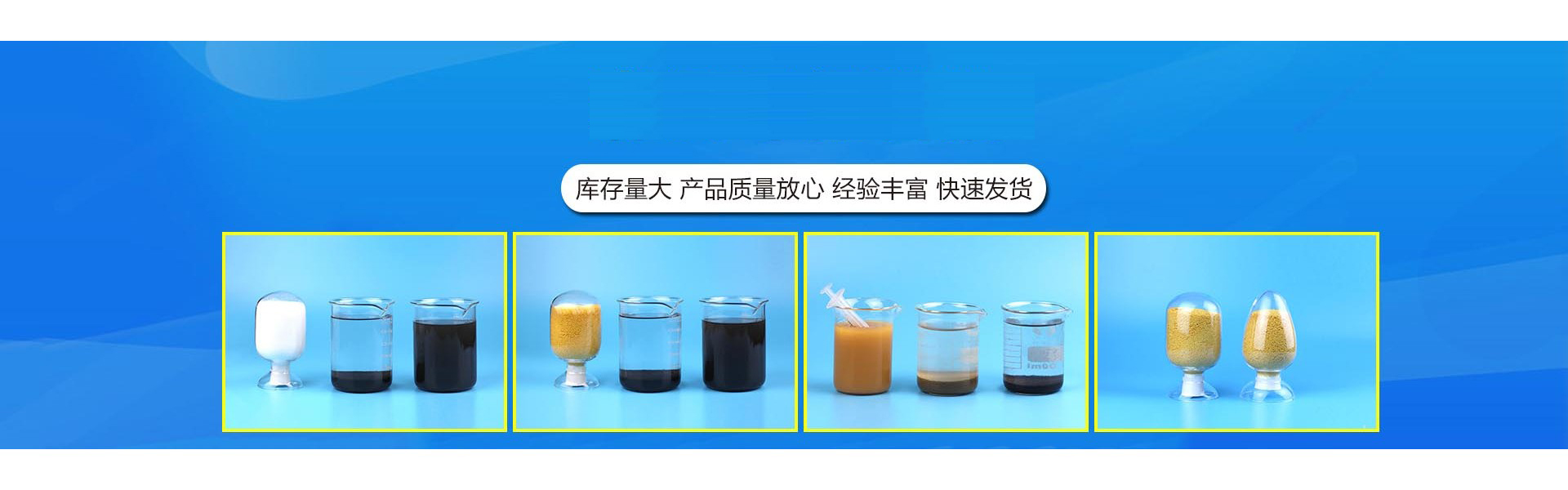
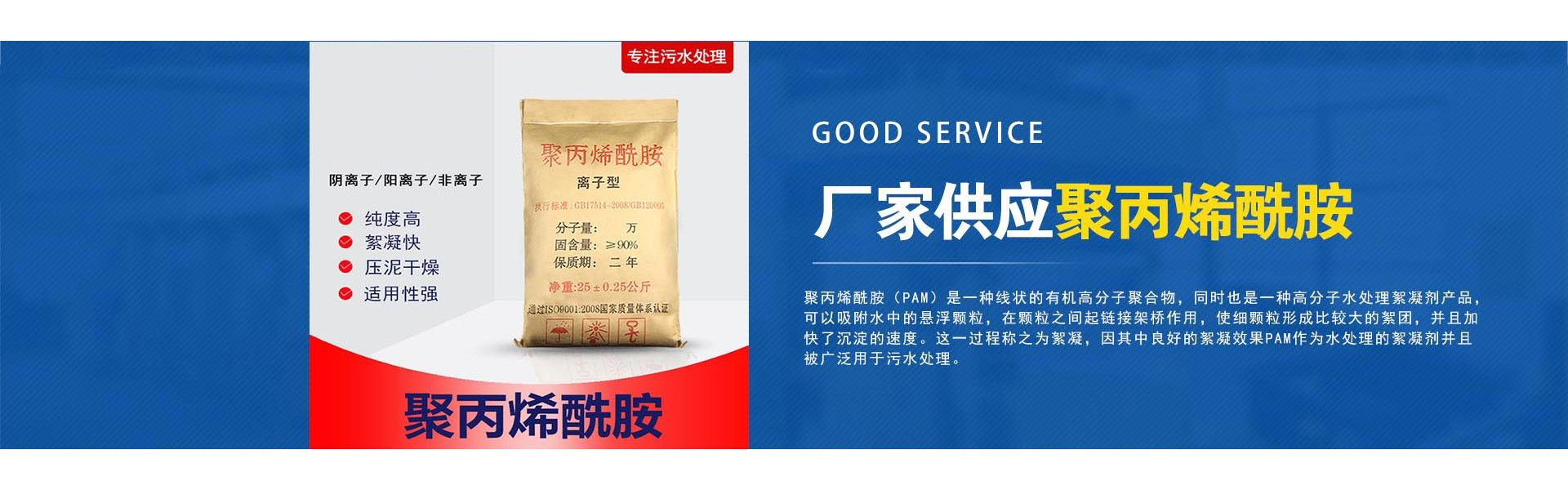
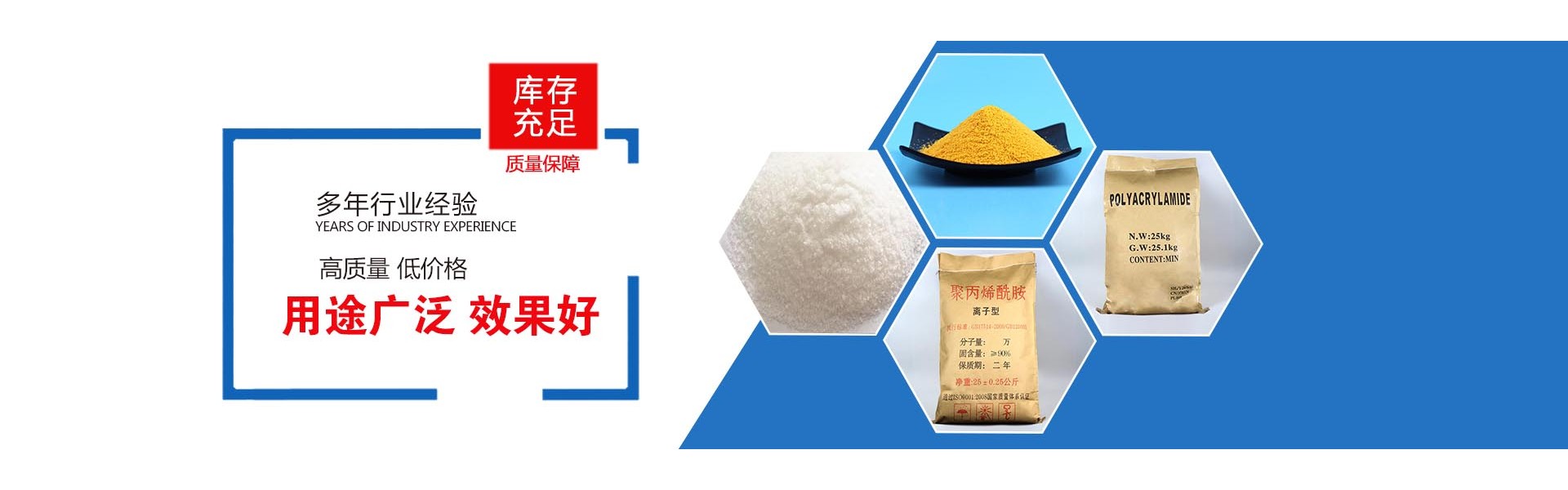

With the emergence of polyacrylamide, significant advancements have been made in wastewater treatment. It not only effectively resolves the issue of wastewater but also efficiently prevents secondary pollution. This has led many users to wonder about the principles by which polyacrylamide demonstrates its wastewater treatment capabilities, and thus, its applications across various industries. For sludge dewatering, the corresponding grade of polyacrylamide can be selected based on the sludge properties. It can effectively dewater sludge before it enters the press filter. During dewatering, the formed flocs are large, non-sticky to the filter cloth, do not disperse during pressing, and produce a thick sludge cake with high dewatering efficiency. Polyacrylamide, used for treating domestic wastewater and organic effluents, exhibits cationic properties in both acidic and alkaline mediums, which facilitates the flocculation and sedimentation of wastewater suspended particles carrying negative charges. Enhancers for papermaking and other additives. Improve retention rates of fillers and pigments, and enhance the strength of paper. Enhanced oilfield additives, textile sizing agents, stable sizing liquid properties, low breakage rate of fabrics, minimal slippage, and smooth fabric surface. The pollutants in dyeing and finishing wastewater primarily consist of dirt from textile fibers like cotton and wool, as well as salts, oils, and fats. Generally, a combination of polyacrylamide (PAM) and polyaluminum chloride (PAC) flocculants is used for deep treatment of dyeing and finishing wastewater. The organic blending machine demonstrates superior removal effects compared to inorganic blending machines. Upon the addition of PAM, with a reduced dosage of polyaluminum chloride PAC, the color and organic matter achieve excellent removal results, thereby saving on PAC usage. As PAC is an organic polymer flocculant, it enhances coagulation through the bridging adsorption of its chain-like molecules, effectively increasing the flocculation and network flocculation, resulting in tightly bonded flocs and accelerated particle sedimentation, thereby enhancing the removal rates of color and organic matter.
I. Function
Second, Scope
In summary, polyacrylamide's role during use has enabled its application in industries such as chemicals and papermaking, significantly reducing the environmental pollution caused by delayed wastewater treatment. However, it is crucial to select the appropriate treatment agent for different wastewater treatments to meet the specified treatment requirements.Understanding market demands
News Center Co., Ltd.
