




 通过中商114认证
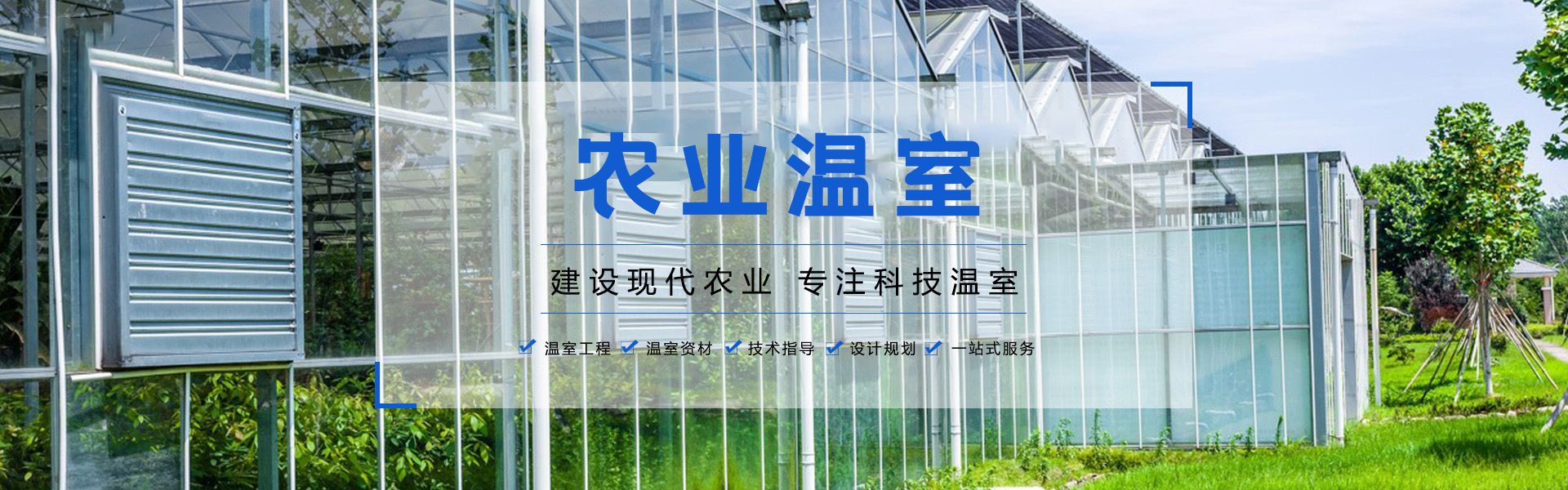
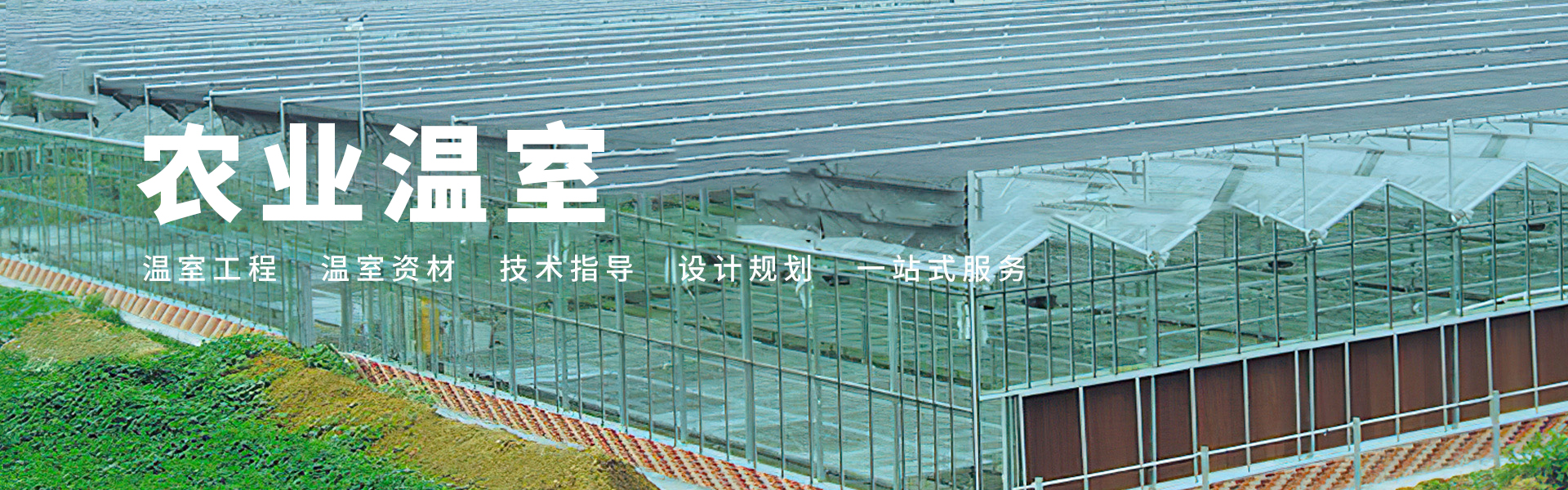
Glass greenhouses refer to greenhouses constructed with glass as the light-transmitting material, featuring modern heating, cooling, and supplementary lighting systems. They are suitable for scientific research and year-round planting. This article takes a greenhouse equipped with an advanced automatic temperature control system as an example and briefly introduces several cultivation and management techniques for glass greenhouses.
Light
Scientific supplemental lighting enhances the amount of light used in photosynthesis, which is the primary energy source for crop growth. Within a certain range of light intensity, the photosynthetic rate of crops increases with the increase in light intensity.
The light intensity inside the greenhouse varies with the external seasonal changes, especially during winter when the sun's angle of incidence decreases, resulting in reduced light intensity within the greenhouse. The light requirements for crop growth can be determined based on the specific needs of different crops. When the light level inside the greenhouse falls below the set requirements, automatic supplementary lighting can be activated to meet the needs of the crops.
Regular maintenance is crucial for glass greenhouses, which use glass as a translucent material. With high light transmission rates, glass effectively utilizes natural light. However, due to aging and prolonged use, cleanliness becomes the primary factor limiting light transmission. Regular cleaning can enhance light transmission.
2. Temperature
Temperature Management Promotes the Accumulation of Photosynthetic Products Across Various Crops and Different Growth Stages with Optimal Temperatures. Temperature affects physiological processes such as photosynthesis, nocturnal respiration, and the transport of photosynthetic products. The equipment is equipped with automatic cooling devices including air conditioning, fans, water curtains, and heaters. It allows for segmented daily temperature control, setting high temperatures during the day to increase the content of photosynthetic products in crops, and low temperatures at night to reduce or inhibit respiration, promoting the accumulation of photosynthetic products through temperature difference regulation.
Seasonal changes necessitate the prevention of excessive daytime heat and nighttime cold in greenhouses, which are primary goals for temperature control. Low-temperature alerts are set to safeguard against physiological stress on crop growth due to extreme temperature fluctuations.
3. Humidity
Appropriate humidity levels, which promote crop growth, are also crucial factors affecting plant development. Relative air humidity directly impacts the rate of transpiration in plants. When soil moisture is abundant, lower air humidity allows roots to absorb more water and nutrients, speeding up growth. However, when air humidity reaches saturation, transpiration rates decrease, especially during the grain filling and maturation stages, which can lead to easy mold formation and sprouting on the ears.
Atmospheric humidity significantly affects crop flowering and pollination, such as in corn, where silk wilting occurs easily when humidity is below 30% and temperature exceeds 35°C, leading to failed pollination and a higher risk of kernel defects.
Daytime temperatures, light, and humidity decrease with increasing humidity levels, while at night, they increase with the rise in light and temperature. Seasonal changes result in lower humidity during winter.
Therefore, increase humidity to around 30% during the day by using a humidifier or sprinkling water on the ground. In case of consecutive rainy days, reduce the frequency of watering to prevent excessive moisture which can easily trigger diseases.
4. Gas
Increasing the ventilation of raw carbon dioxide for photosynthesis, with appropriate air exchange during the day, can enhance the concentration of carbon dioxide in greenhouses, boost the photosynthesis of crops, and simultaneously exchange out harmful gases produced within the greenhouse.
At a natural concentration of 300 PPM, the photosynthetic rate is almost linearly related to the CO2 concentration ranging from 0 to 330 PPM.
5. Irrigation
Excessive soil moisture can be detrimental to root respiration, while insufficient water can prevent normal physiological functions and make crops prone to drought stress. Proper and moderate soil moisture management is crucial for crop growth.
Regulating soil moisture involves controlling irrigation, with the principle being to water thoroughly, then wait until the soil dries out before watering again. Preventing frequent watering keeps the soil moisture consistently saturated, which affects root respiration.
Opt for regular watering during the day, especially on cloudy or rainy days; avoid afternoon watering. The automatic drip irrigation system allows for timed and measured watering, making it convenient and labor-saving.
