



- AllProduct Category
-
Thermal Oil Steam Generator
Heat Transfer Oil Evaporator
Air-to-Air Heat Exchanger
Air-to-Water Heat Exchanger
Heat Pipe Evaporator







详情描述
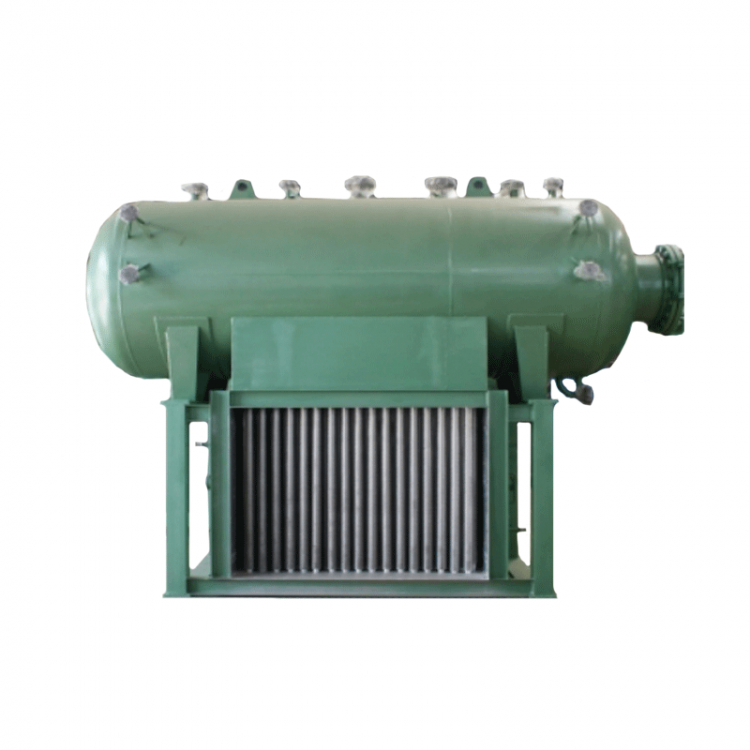
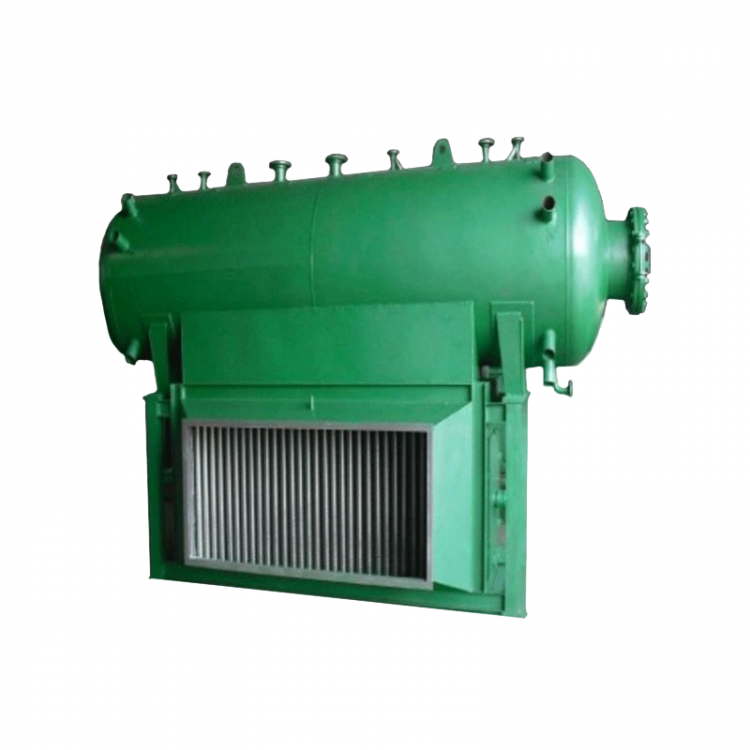
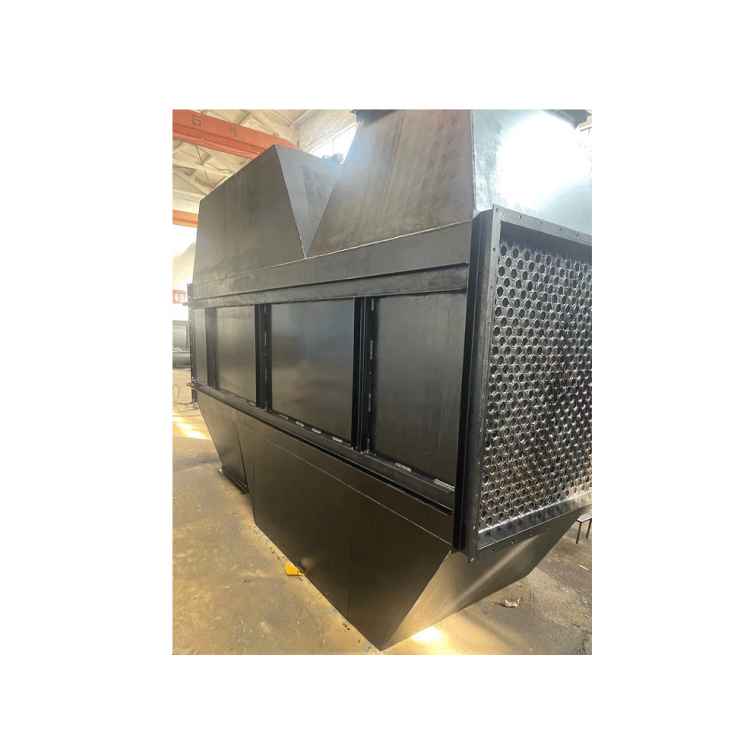
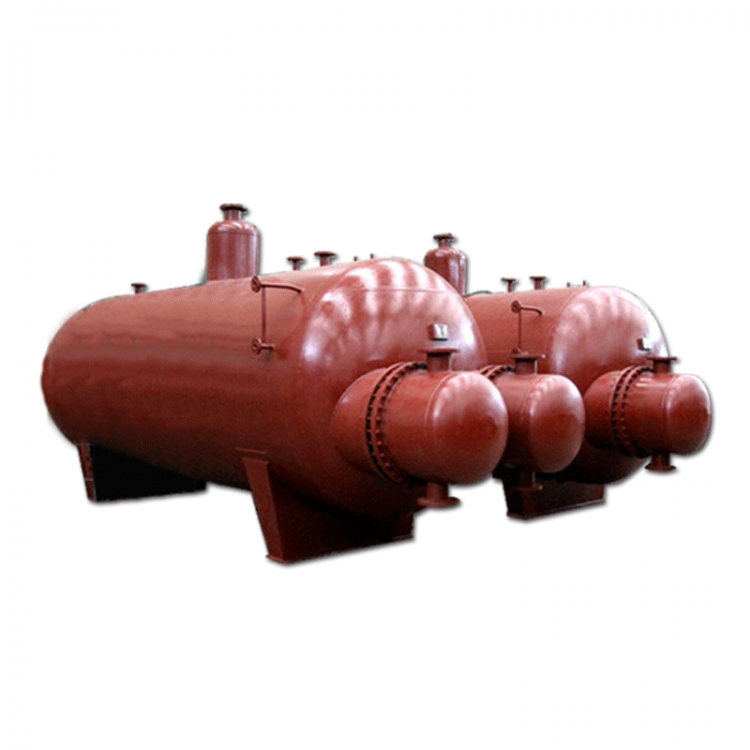
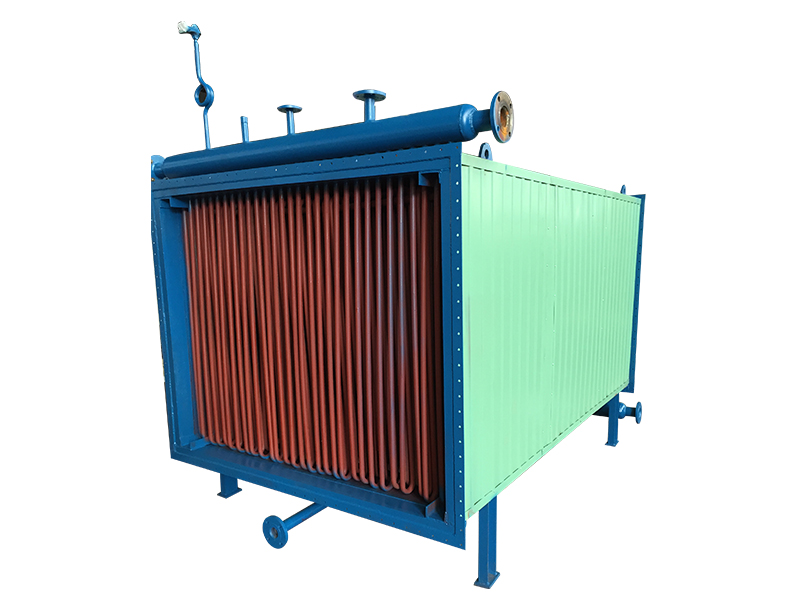
Molding Machine Waste Heat Evaporator
Heat Recovery Medium: Hot Water, Thermal Oil, Hot Air
Equipment Introduction
The heat setting machine is one of the major energy-consuming equipment in the textile dyeing and finishing industry. It is a device that uses hot air to dry, finish, and set the fabric. There are various methods to supply hot air, which can be directly burned in the setting machine with coal gas or light diesel oil, or heated by circulating thermal oil or steam, or electrically heated. Generally, the required hot air temperature inside the heat setting machine is around 200°C. The exhaust gas temperature of the heat setting machine is usually around 170°C, with a large amount of excess heat being discharged into the air. When considering fuel combustion losses and body heat dissipation losses, it is estimated that over 90% of the heat input to the heat setting machine is dispersed into the atmosphere through exhaust. The actual heat consumed in treating the fabric only accounts for 2.9% of the heat input to the setting machine. The lost heat not only wastes energy but also causes environmental pollution. Therefore, the recovery of excess heat from the heat setting machine is imperative.
Heat Recovery Method
There are typically two methods for waste heat recovery from heat-setting machines:
1. One method is to recover heat energy from the waste hot gas discharged from the shaping machine and return it to the oven of the shaping machine, thereby achieving energy-saving goals. The heat exchange method is "gas-gas" heat exchange, commonly using heat pipe heat exchangers, such as the LQDR-F type waste heat recovery unit (gas-gas heat exchange). This unit takes full advantage of the high-efficiency heat transfer performance of heat pipes. The high-temperature waste flue gas discharged from the shaping machine releases heat through the heat exchanger's heat absorption side, which is then rapidly transferred to the heat release side by the heat pipes. Fresh air absorbs heat as it passes through the heat release side of the heat exchanger, gets heated, and is drawn into the oven by the vacuum inside the shaping machine oven, thus achieving the energy-saving purpose.
2. Another method is to recover heat energy from the waste hot gases discharged from the shaping machine to produce hot water, thereby achieving energy-saving goals. The heat exchange method is "gas-water" heat exchange, with the commonly used heat exchanger being a water pipe heat exchanger. The high-temperature waste flue gas discharged from the shaping machine is passed through the heat exchanger to exchange heat with fresh water. The heated water is then collected in a hot water tank for production use. The heat of the hot water is the recycled heat energy from the waste flue gas, saving the current fuel (coal, natural gas, etc.) or electrical energy required for heating, thus realizing the energy-saving objective.
Operating Principle
The high-temperature waste flue gas discharged from the setting machine is released of heat through the heat-absorbing side of the heat exchanger, which is rapidly transferred to the heat-releasing side of the exchanger. Fresh air absorbs heat as it passes through the heat-releasing side of the exchanger, and the heated fresh air is then drawn into the oven of the setting machine by the vacuum inside, thereby achieving energy-saving objectives.

Principle Diagram of Heat Recovery System for Molding Machines
Energy-saving benefits
The smoke exhaust temperature of the setting machine is 180°C, with the total supplementary air volume for a single machine ranging from 6,500 to 7,000 m³. The ambient temperature is set at 20°C, and the supplementary air temperature for the waste heat recovery unit is 130°C. Calculations show that the heat recovered per hour is 222,000 dry BTUs. Assuming the unit operates for 20 hours a day and 300 days a year, the energy-saving benefit for a single setting machine is approximately 200,000 RMB (based on standard coal calculation). It can also heat water for washing machines, with a calculated steam consumption of 1.2 to 1.5 tons per hour per machine. At a steam procurement price of 200 RMB per ton, the recovered heat from a single setting machine is roughly equivalent to 0.3 tons of steam. This saves 60 RMB per hour, leading to an annual energy-saving benefit of approximately 360,000 RMB for a single machine, assuming the same operation hours. Additionally, it can reduce the negative effects of high exhaust temperatures on later-stage smoke exhaust machines, which have poor smoke treatment efficiency. The waste heat recovery project for setting machines is an energy-saving project with low investment and high returns, and has been promoted in the dyeing and printing industry.
询价单


