





- AllProduct Category
-
SY Oxygen Sensor
Others
Marathon Oxygen Probe
FC Oxygen Probe
Carbon King Oxygen Probe
SSI Oxygen Sensor
Joint Venture Oxygen Sensor
Epsen Oxygen Sensor
Mesa Oxygen Sensor
Hydrogen Probe


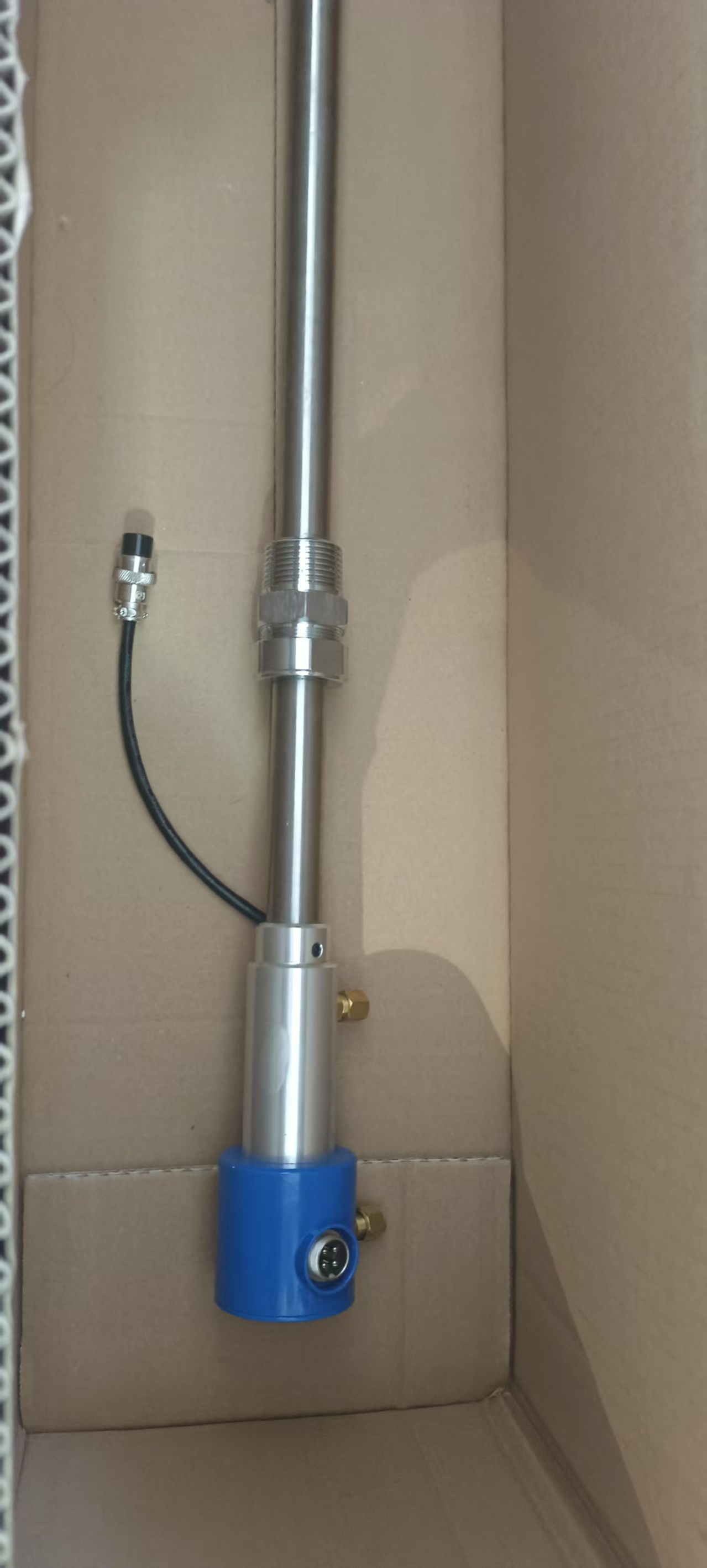
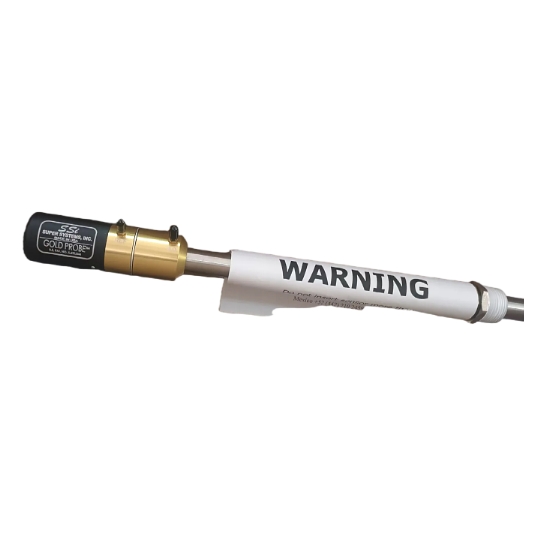
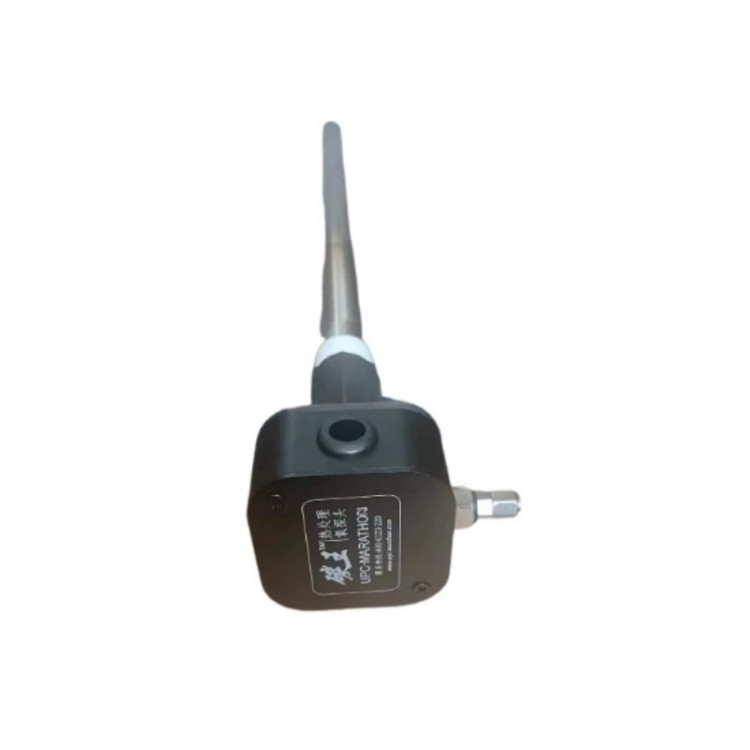


详情描述
Heater & Thermocouple - Optional but Essential for Most Applications):
Due to the fact that zirconia only possesses sufficient ionic conductivity at high temperatures (usually >600°C), for most field applications, the temperature of the process gas is not enough to maintain the probe's operation or there is significant temperature fluctuation (e.g., at elbows or transitions in the flue), an integrated heating device and temperature sensor are required within the probe. Heater: Typically, a resistive wire coil (such as Kanthal alloy wire) is wound around the zirconia tube/core ceramic element, powered by electrical energy from the instrument to maintain the probe core at a constant set temperature (e.g., 750°C). Temperature Sensor: Usually a thermocouple (e.g., Type K), precisely placed near the zirconia core (e.g., measuring the heater temperature or embedded in the design), providing temperature signals to the transmitter for temperature control and compensation of the oxygen concentration potential (very important!).


