



- AllProduct Category
-
SY Oxygen Sensor
Others
Marathon Oxygen Probe
FC Oxygen Probe
Carbon King Oxygen Probe
SSI Oxygen Sensor
Joint Venture Oxygen Sensor
Epsen Oxygen Sensor
Mesa Oxygen Sensor
Hydrogen Probe




详情描述
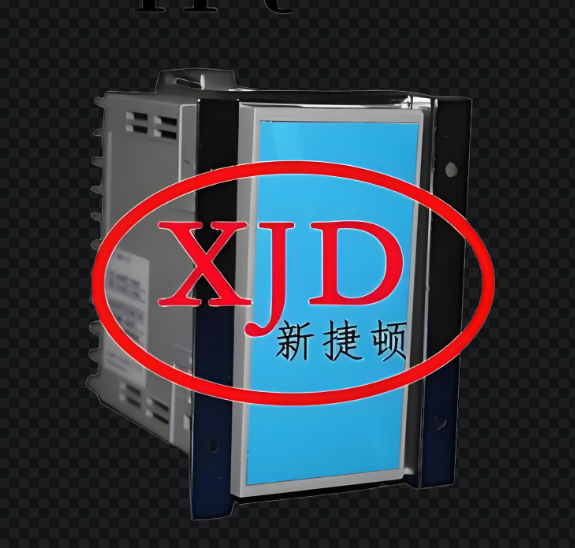
The Beijing BCD series digital adjustable instruments are a common type of industrial automation instrument, mainly used for displaying and controlling process parameters such as temperature, pressure, and flow. The following is an overview of the products in this series.
Features: Integrated measurement, display, and control with support for PID adjustment, alarm output, and communication functions.
Application Fields: Widely used in automatic control systems for industrial furnaces, chemical industry, machinery, and power sectors.
Section II: Key Features
Display Method
High-brightness LED or LCD digital display, clear and intuitive.
The unit can display real-time measured values, set values, alarm status, etc.
2. Input Signal
Compatible with various sensor inputs: thermocouples (K, S, etc.), resistance thermometers (Pt100), standard current/voltage signals (4-20mA, 0-10V, etc.).
3. Output Control
Relay contact output (switch control).
Analog output (e.g., 4-20mA adjustable).
SSR Solid State Relay Drive Output (for Silicon Controlled Rectifier control).
4. Additional Features
PID auto-tuning or manual parameter setting.
Multiple alarm outputs (upper limit, lower limit, deviation alarms, etc.).
RS485/Modbus communication (partial models support remote monitoring).
Section 3: Examples of Common Models
BCD 100: Basic model, single-input, relay control.
BCD 200: Enhanced version, featuring PID adjustment and communication capabilities.
BCD 300: Multi-channel input, suitable for complex control systems.
Section 4: Usage Precautions
1. Answer the line
Please connect according to the instructions, distinguishing between power, input, and output terminals.
Avoid strong electrical interference (such as separating routing from power lines).
2. Parameter Settings
Properly set the input type (such as thermocouple type) and measurement range.
PID parameters must be adjusted according to process requirements.
3. Maintain
Regular calibration to ensure measurement accuracy.
Maintain good ventilation of the instrument to prevent high temperatures or dust from affecting it.
V. Troubleshooting
No display: Check if the power voltage is normal.
Abnormal Measurement Value: Confirm sensor wiring and input type settings.
Controlled non-action: Check output mode (e.g., if the relay is damaged).


