






- AllProduct Category
-
SY Oxygen Sensor
Others
Marathon Oxygen Probe
FC Oxygen Probe
Carbon King Oxygen Probe
SSI Oxygen Sensor
Joint Venture Oxygen Sensor
Epsen Oxygen Sensor
Mesa Oxygen Sensor
Hydrogen Probe




详情描述
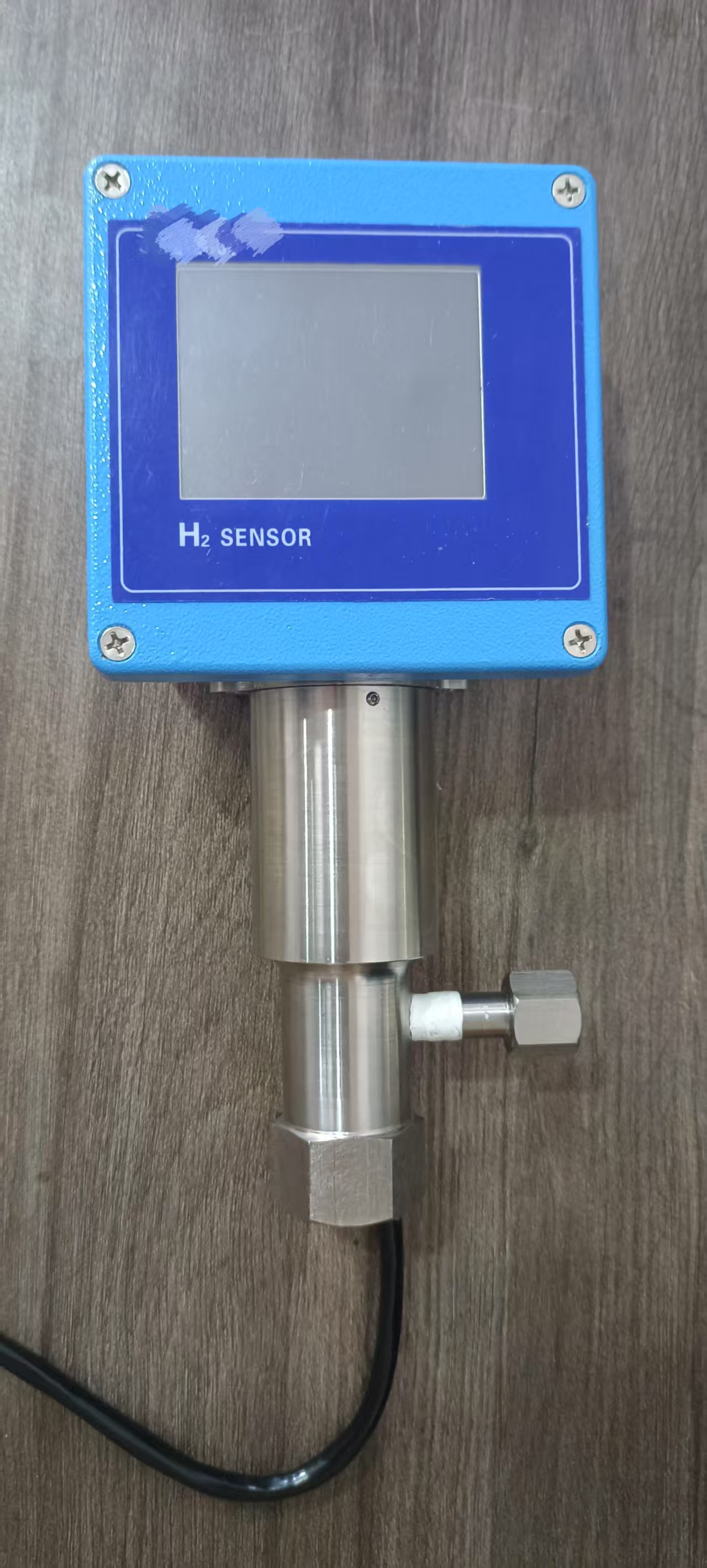
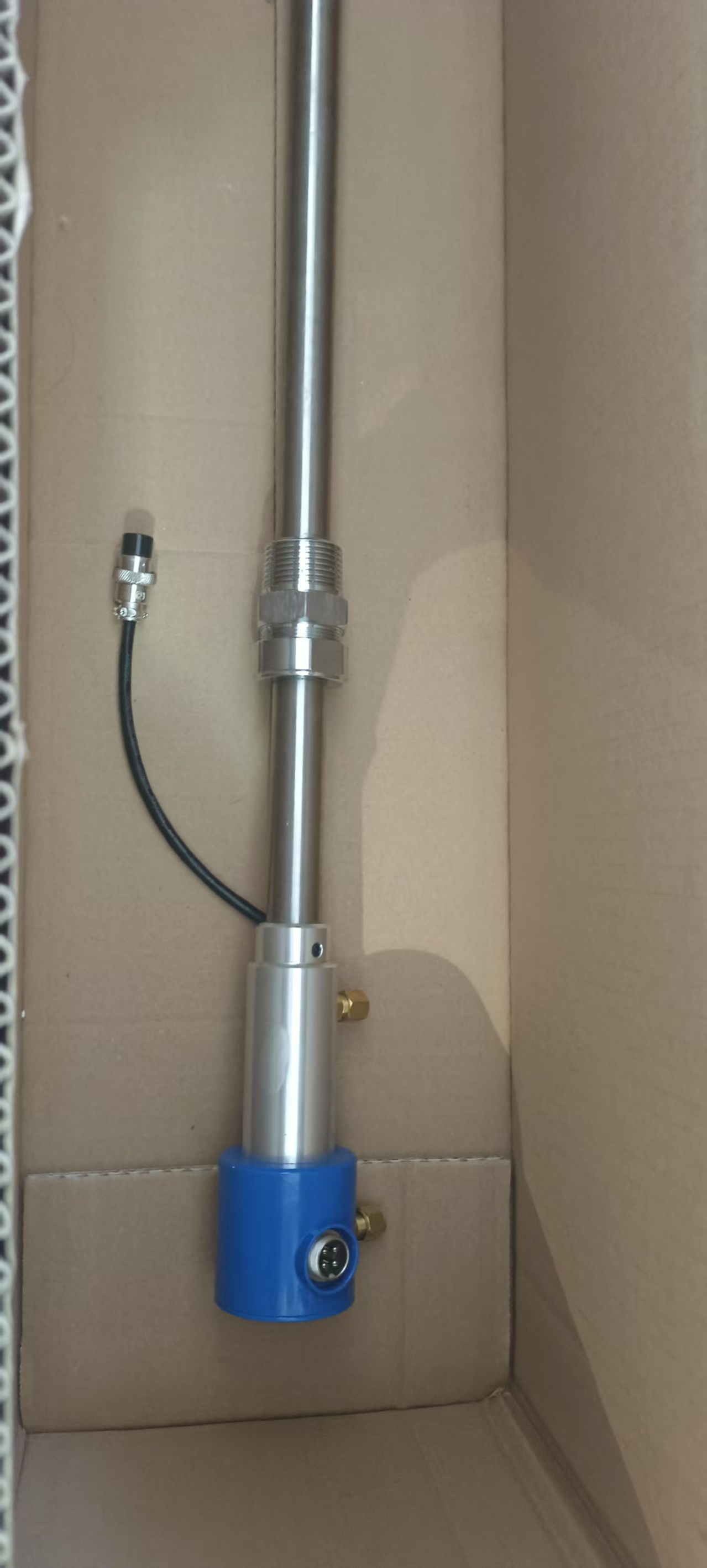
Hydrogen probes (or hydrogen sensors) are crucial tools for measuring hydrogen content or permeation rate in materials, widely used in energy, petrochemical, nuclear, and materials science industries. Below is a detailed introduction to hydrogen probes and related instruments:
1. Types and Principles of Hydrogen Probes
Hydrogen probes can be categorized according to their measurement principles into the following types:
Electrochemical Hydrogen Probe
Principle: Based on electrochemical reactions (such as hydrogen oxidation at the electrode surface to generate current).
Application: Real-time monitoring of dissolved hydrogen concentration in gases or liquids (such as electrolyzed water, petrochemicals).
Features: High sensitivity, quick response, but requires regular calibration.
Thermal Conductivity Hydrogen Probe
Principle: Utilizes the difference in thermal conductivity with other gases (extremely high thermal conductivity).
Application: Rapid detection of hydrogen concentration in mixed gases (such as fuel cells, semiconductor processes).
Features: Good stability, but prone to interference from other gases.
Solid-state hydrogen sensor (metal oxide/palladium-based)
Principle: Reaction of hydrogen with sensitive materials (such as Pd, WO?) leads to changes in resistance or optical properties.
Application: Hydrogen permeation monitoring in high-temperature environments (such as nuclear reactors) or materials.
Features: High-temperature resistant, but may be poisoned by sulfides.
Optical Hydrogen Probes (Fiber Optic Sensors)
Principle: Hydrogen reacts with a sensitive coating (such as palladium film), causing a change in the light signal (wavelength/intensity).
Application: Flammable and explosive environments (no risk of electric sparks), long-distance monitoring.
Features: Resistant to electromagnetic interference, but with a higher cost.
2. Hydrogen Permeability Measurement Instrument
Hydrogen permeability studies for materials (such as metals, alloys, coatings), common equipment includes:
Double Electrolytic Cell Method (Devanathan Stachurski Unit)
Principle: The sample separates two electrolytic cells, one side filled with hydrogen, and the other side measures the oxidation current of permeated hydrogen.
Standard: Compliant with ASTM G148, ISO 17081, etc.
Application: Evaluate the anti-hydrogen embrittlement properties of pipeline steel and hydrogen storage materials.
Gas Permeation Analyzer
Principle: On one side in a high-pressure hydrogen environment, hydrogen permeation is detected on the other side via a mass spectrometer or gas chromatography.
Application: Permeability testing for thin film materials and sealing components.
Electrochemical Hydrogen Permeation Sensor
Integrated Design: Directly installed on the surface of the material to be tested, real-time monitoring of hydrogen permeation rate (e.g., at welding joints).
3. Key Brands and Instrument Examples
H2scan (USA): Solid-state hydrogen sensor, suitable for industrial safety monitoring.
4. Selection Considerations
Measurement Range: From ppm level (material hydride) to percentage (gas mixture).
Environmental Conditions: Temperature, pressure, corrosive media (such as high-temperature and high-pressure applications require palladium membrane sensors).
Response Time: Electrochemical Sensors (seconds) vs. Thermal Conductivity Sensors (minutes).
Calibration and Maintenance: Electrochemical probes require regular replacement of electrolyte, and optical probes need cleaning of the optical window.
5. Application Scenarios
Energy Sector: Hydrogen Storage Tank Safety Inspection, Fuel Cell Hydrogen Leak Detection.
Material Research: Evaluate the hydrogen barrier properties of coatings/alloys.
Industrial Safety: Hydrogen concentration alerts for refineries and nuclear power plants.


