






- AllProduct Category
-
SY Oxygen Sensor
Others
Marathon Oxygen Probe
FC Oxygen Probe
Carbon King Oxygen Probe
SSI Oxygen Sensor
Joint Venture Oxygen Sensor
Epsen Oxygen Sensor
Mesa Oxygen Sensor
Hydrogen Probe


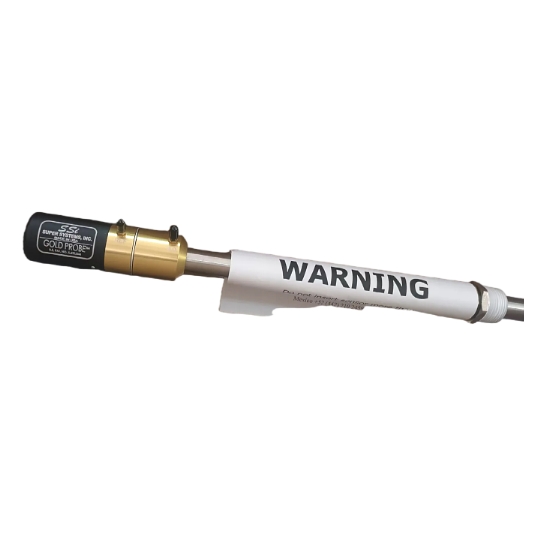
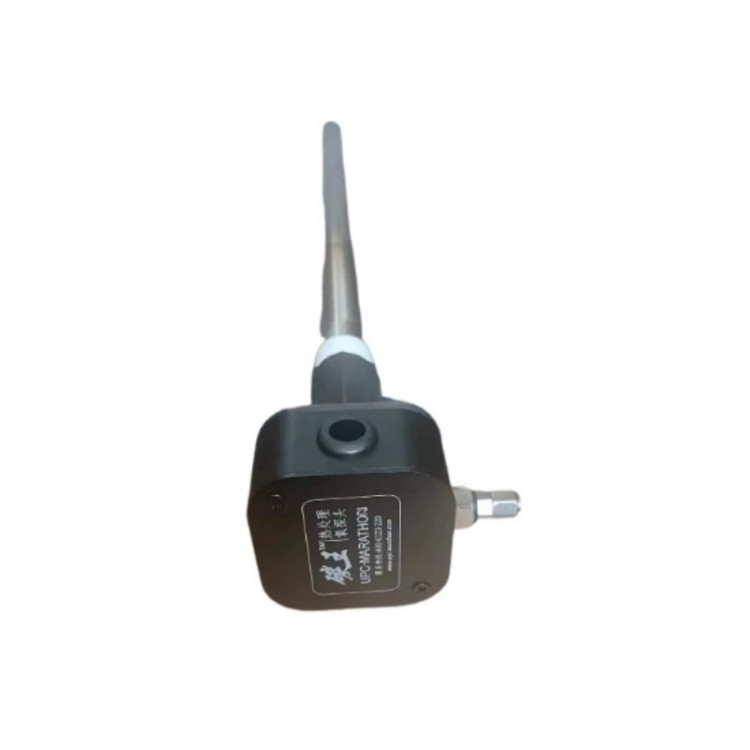


详情描述
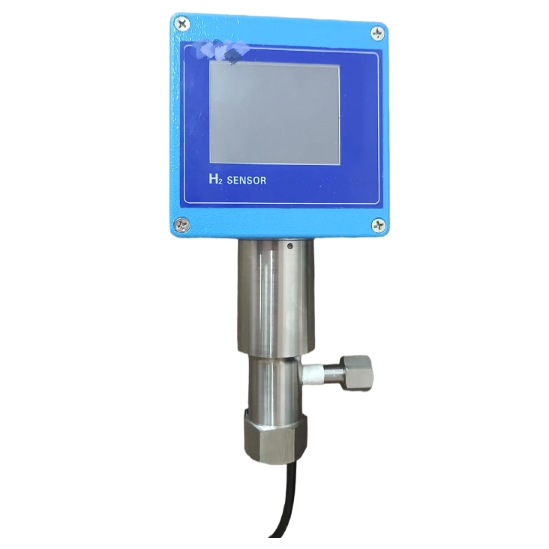
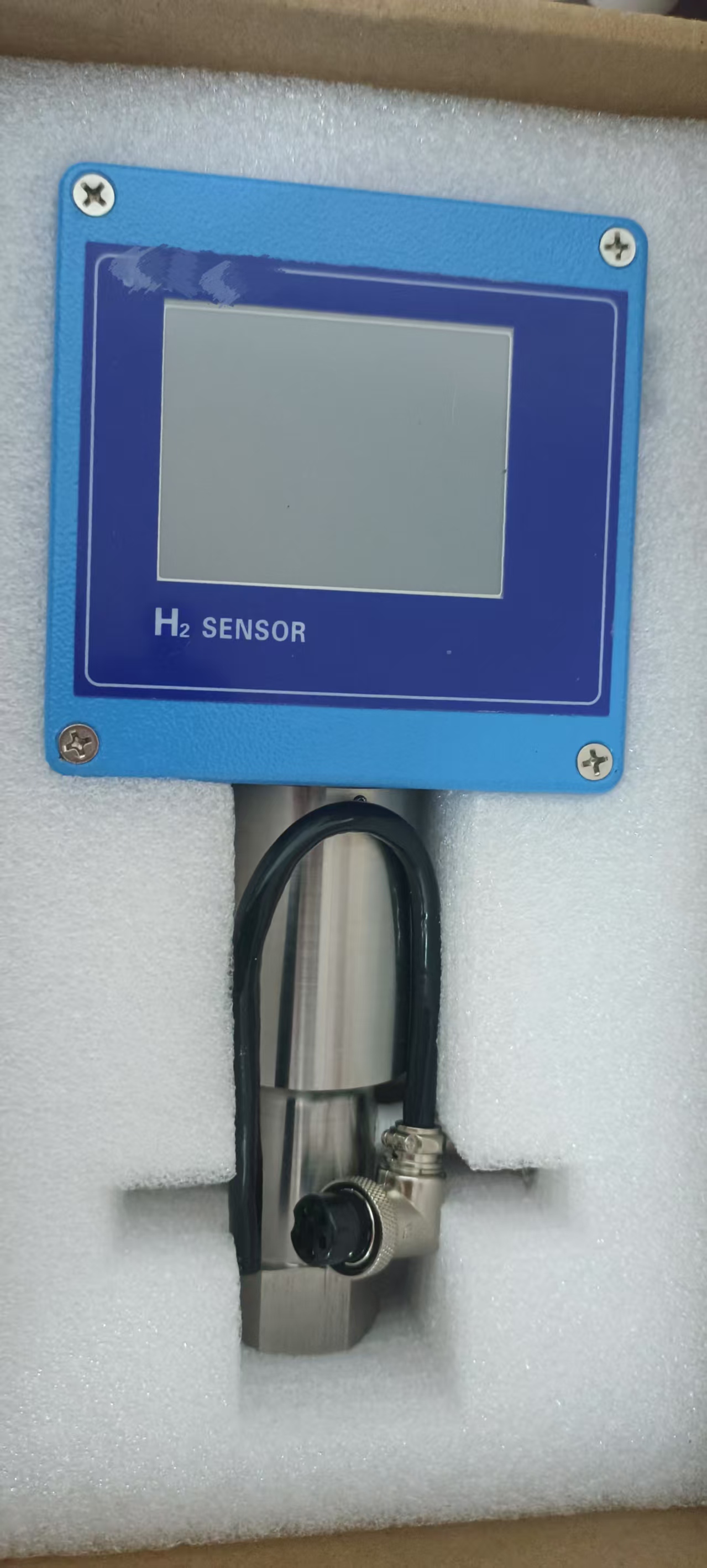
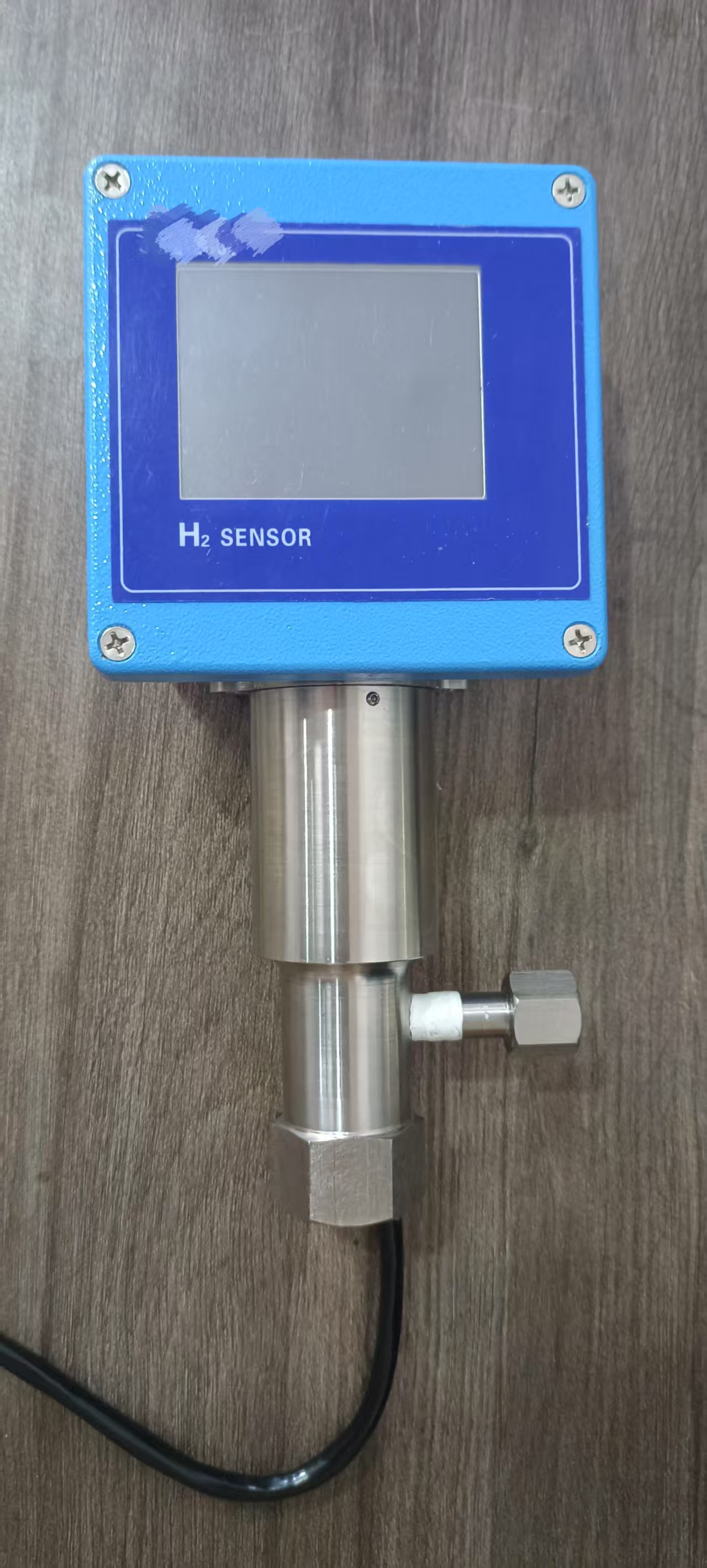
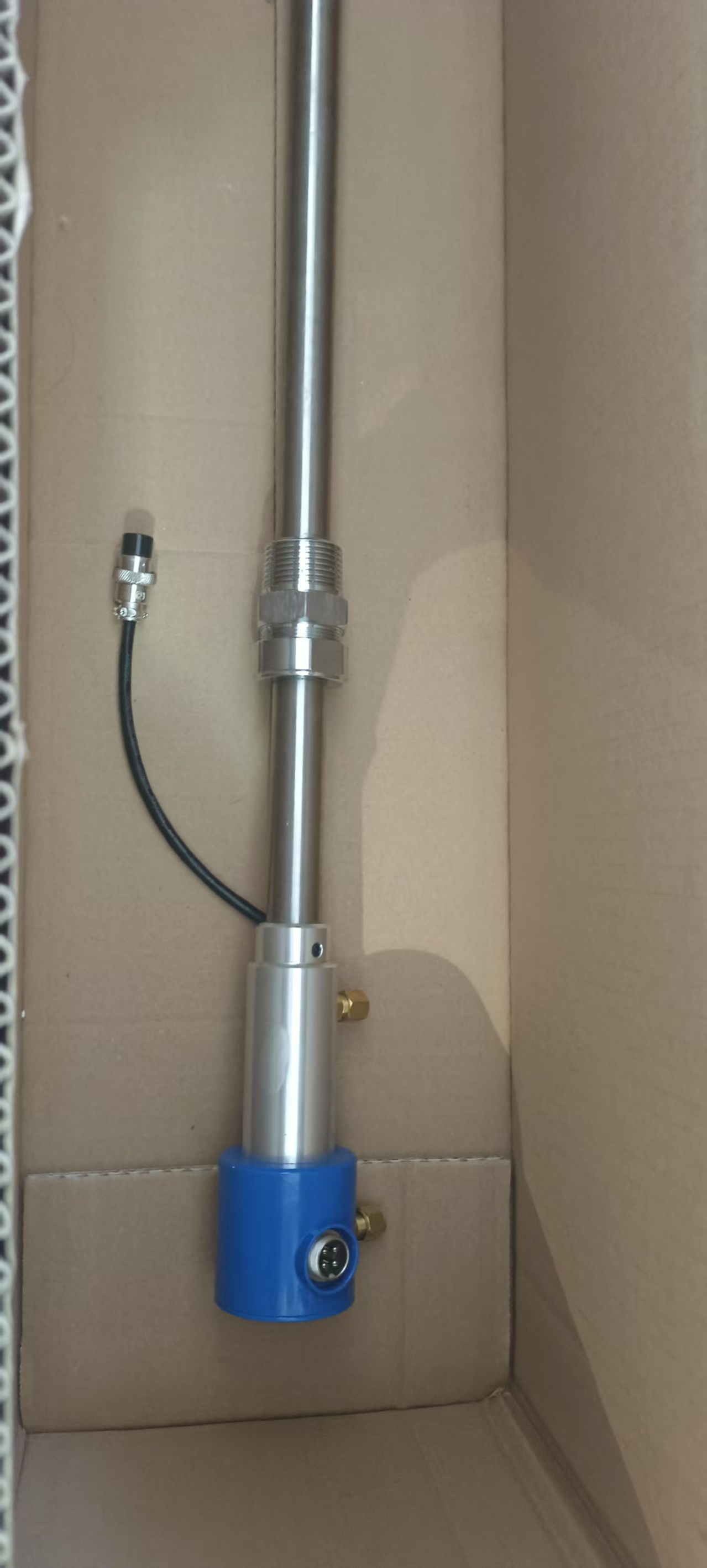
For the application requirements of high-precision alloy hydrogen probes under high temperatures (1000℃) and high currents (200mA), the following are key point analysis and proposed solutions:
1. Core Challenges
High-Temperature Stability: Materials are prone to oxidation and creep at 1000°C, requiring the selection of high-temperature alloys (such as Inco)(Nel 600/601) or ceramic substrates (such as Al2O3).
Hydrogen-sensitive material selection:
Metal oxides (such as TiO2, ZrO2): Require doping to enhance hydrogen response, but may deactivate at high temperatures.
Proton Conducting Ceramics (e.g., SrCeO3, BaZrO3): Excellent high-temperature proton conductivity, but complex processing.
Precious Metal Catalysts (Pt/Pd Coating): Enhances hydrogen desorption, but requires prevention of high-temperature sintering.
High Current Impact: 200mA may cause the probe to overheat, requiring optimized structural design (such as microchannel cooling) or pulsed power supply mode.
2. Technical Solution Proposal
Material Combination
Matrix: Yttria-stabilized Zirconia (YSZ) or Alumina ceramic (high-temperature resistant, insulating).
Sensitive Layer
Primary Material: SrCe?.?Yb?.?O δ (High-temperature Proton Conductor, good selectivity for hydrogen)
Catalytic layer: Nanoporous Pt/Pd bimetal (sintering inhibition, enhanced response speed).
Electrode: Pt-ZrO2 composite electrode (resistant to high-temperature oxidation).
Structural Design
Sandwich Structure: Ceramic substrate + sensitive layer + porous protective layer (e.g., LaCrO3).
Miniaturization: Fabricate thin film sensors using MEMS technology to reduce power consumption.
Signal Processing
Constant potential instrument circuit: Controls 200mA current to avoid polarization effects.
Temperature Compensation: Integrated Pt Rh thermocouple for real-time temperature drift correction.
3. Performance Optimization Direction
Interference Resistance: Added CO/CH? filtration layer (e.g., zeolite molecular sieve).
Enhanced Lifespan:
Hot cycle coatings (such as thermal barrier coatings, TBCs).
Self-cleaning design (such as periodic high-temperature oxidation-reduction treatment).
Calibration Method: Calibration is performed using a standard hydrogen partial pressure source (such as H2/N2 mixture) in a high-temperature furnace.
4. Potential Issues and Solutions
Hydrogen Embrittlement Risk: Select alloys with low hydrogen diffusion coefficients (such as Hastelloy C 276).
Seal Failure: Glass Metal Seals (such as Corning #9012 glass material).
Signal Drift: Regular on-site calibration recommended every 50 hours.
5. Recommended Test Parameters
| Item | Conditions | Target Value |
| -----------| -------------------| ------------ -|
| Sensitivity | 1000°C, 0-1000ppm H2 | >0.1mV/ppm |
Response Time | 500ppm H? Step | <5s (90% T90)
Long-term Stability | Continuous Operation at 1000℃ for 200 hours | Signal Drift < ±2%
| Cross Sensitivity | 10% CO, 5% H2O Background | H2 Response Error <±1% |
6. Application Scenario Compatibility
Nuclear Power: Requires radiation-resistant modification (such as adding Gd2O3).
Aerospace: Lightweight design (cellular ceramic structure).
Metallurgy: Dust cover (porous SiC filter).
For further simulations (such as COMSOL thermal-electrical coupling analysis) or a detailed list of specific material suppliers, please provide more detailed requirements.


