




- AllProduct Category
-
SY Oxygen Sensor
Others
Marathon Oxygen Probe
FC Oxygen Probe
Carbon King Oxygen Probe
SSI Oxygen Sensor
Joint Venture Oxygen Sensor
Epsen Oxygen Sensor
Mesa Oxygen Sensor
Hydrogen Probe




详情描述
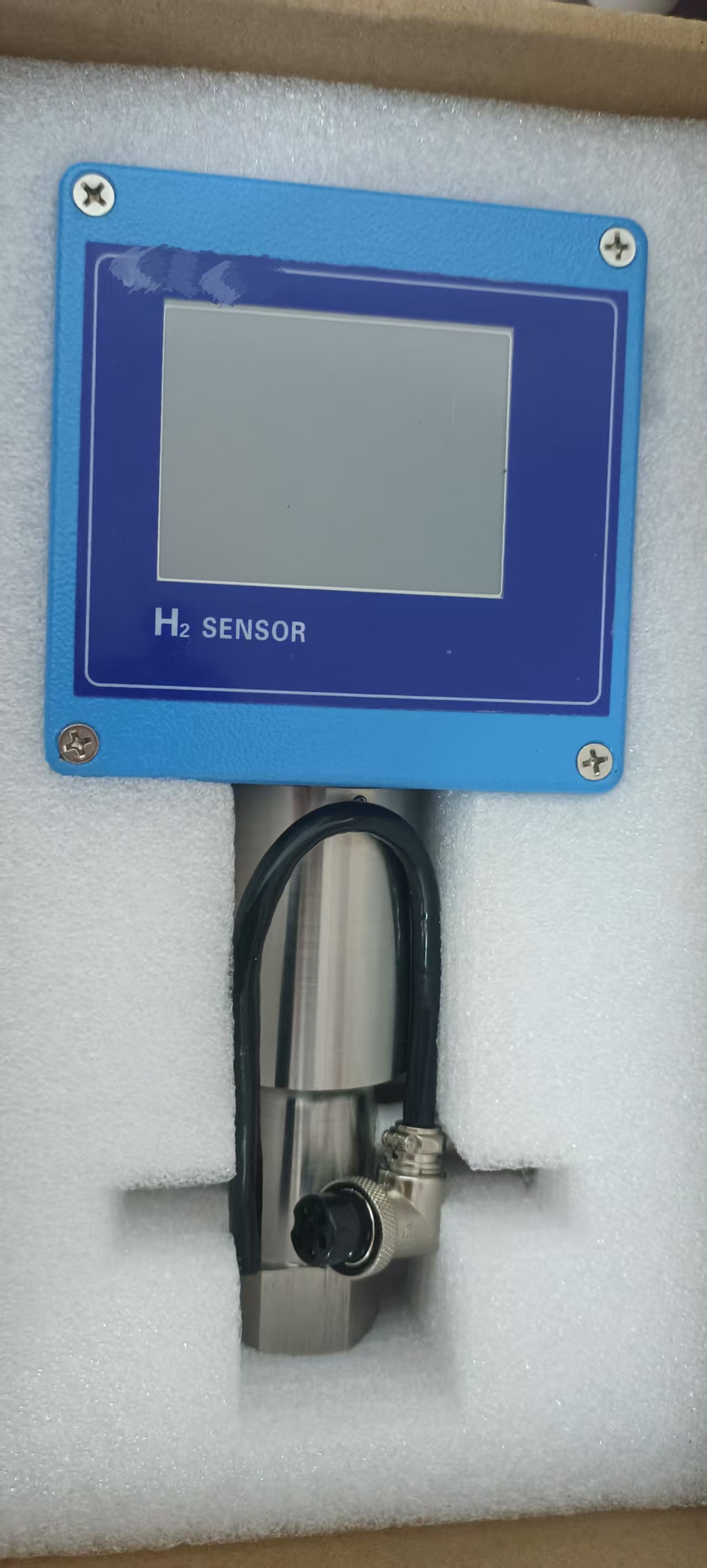
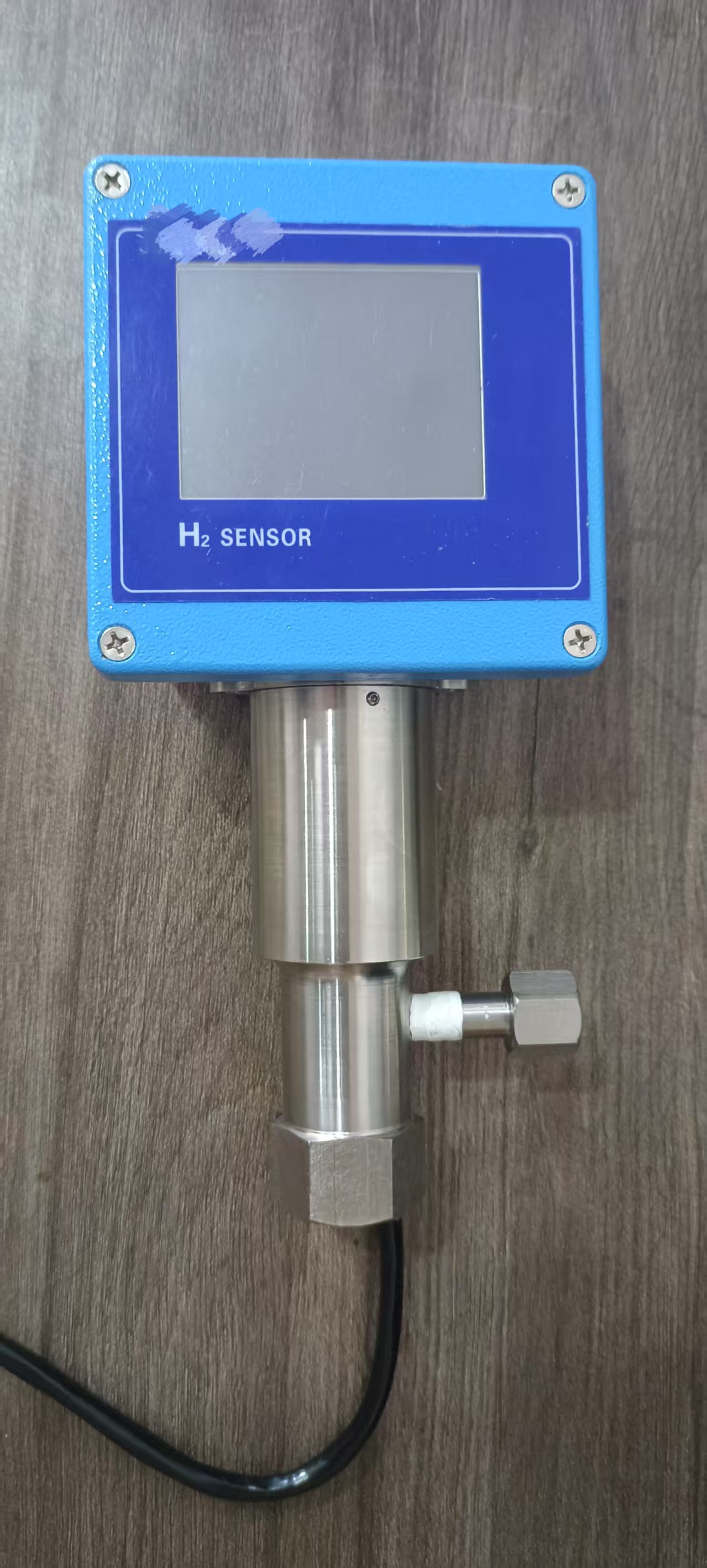
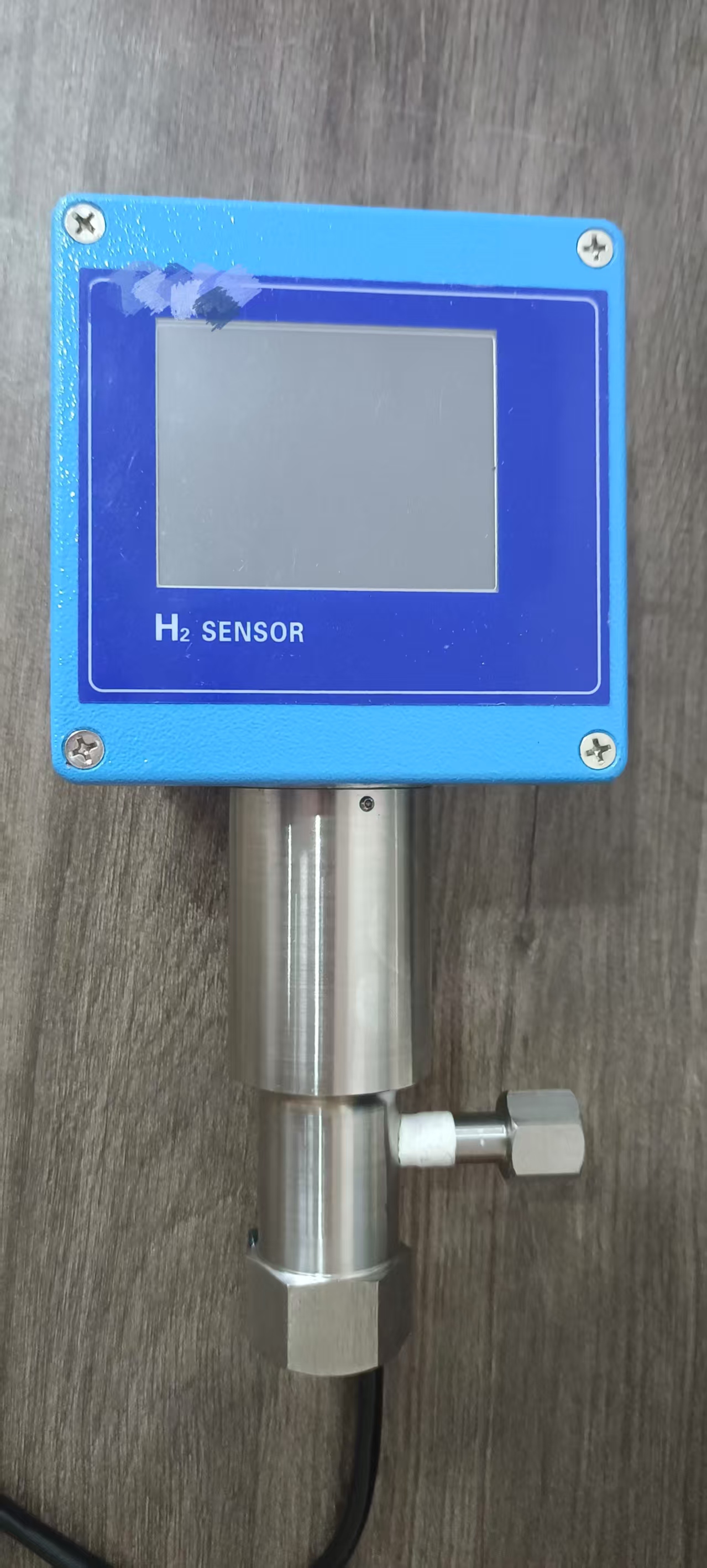
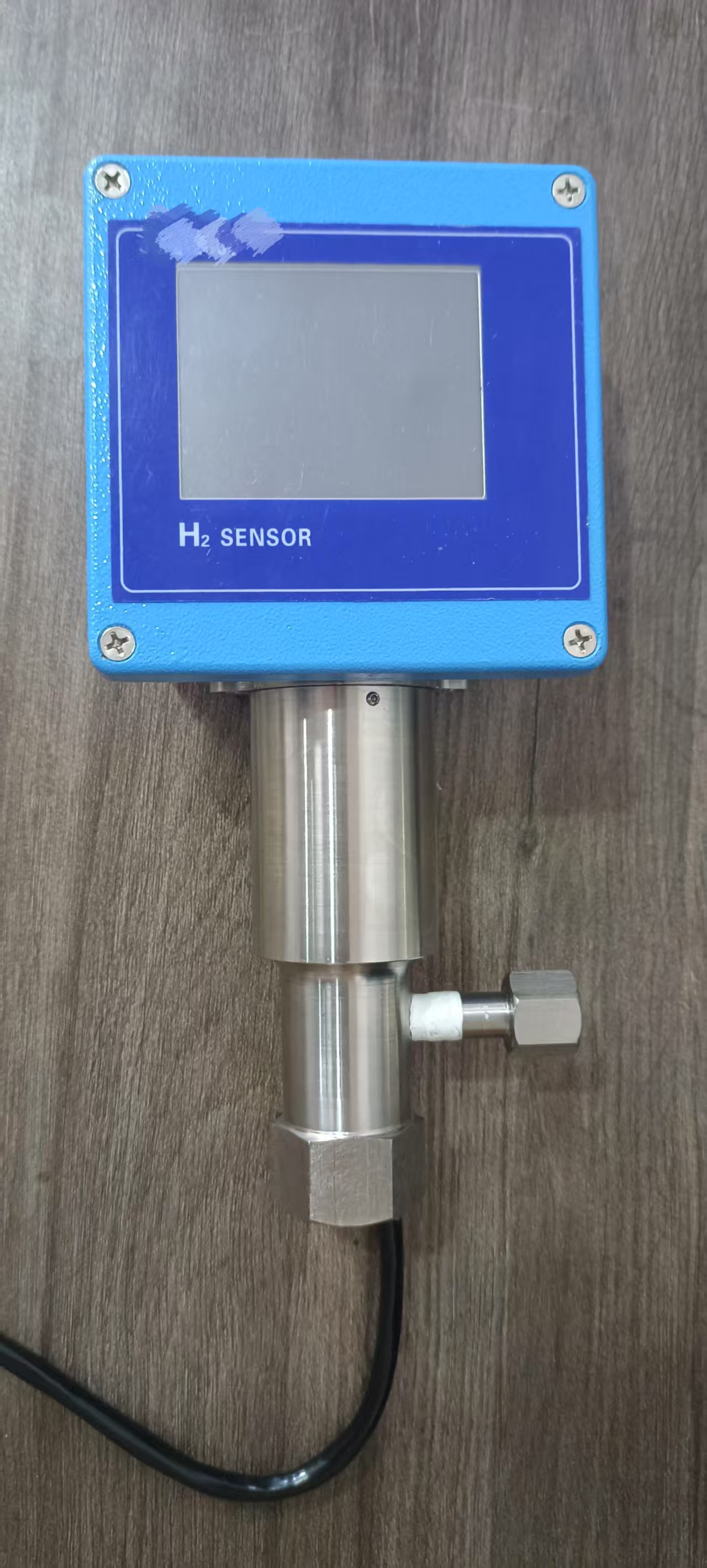
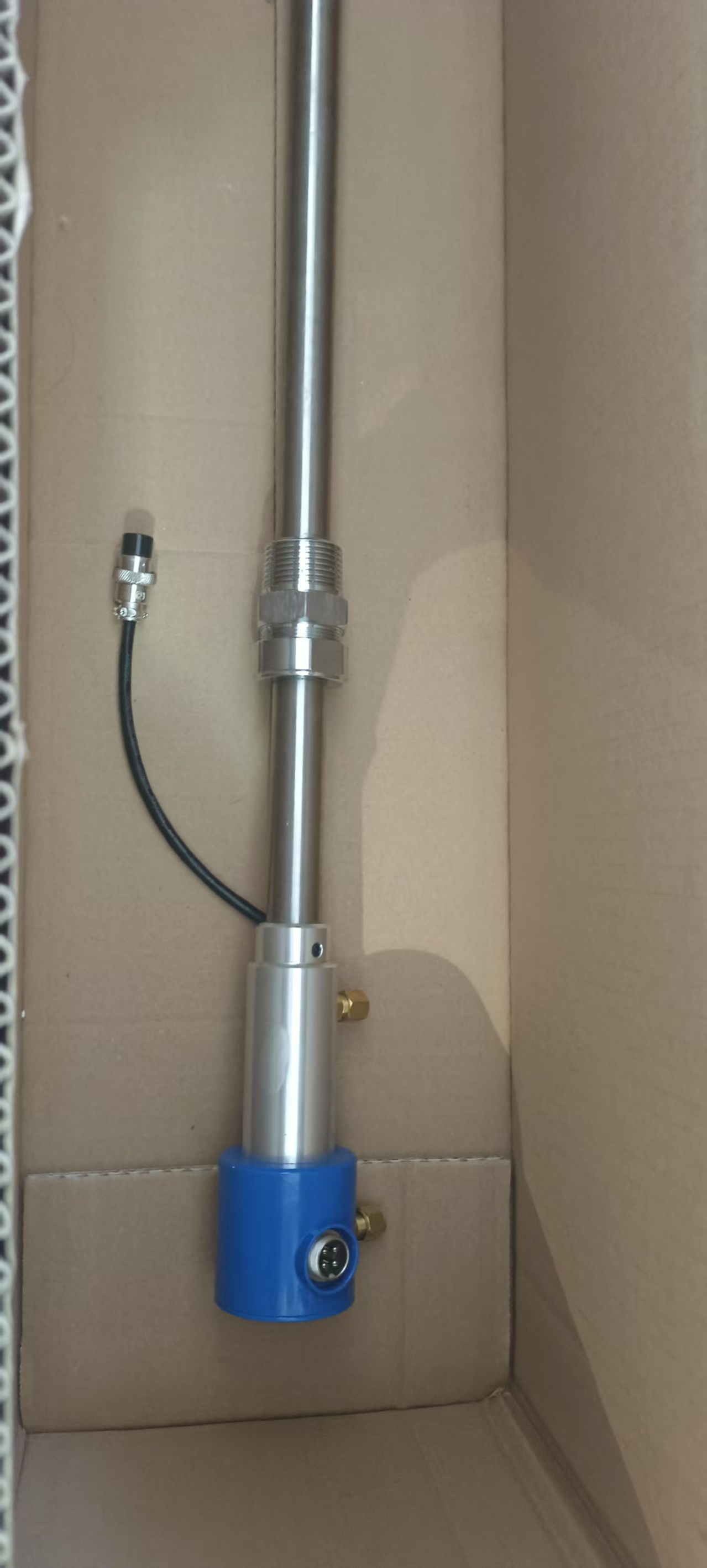
In the field of heat treatment, especially in nitriding furnaces (such as gas nitriding, ion nitriding, and other processes), the application of a hydrogen analyzer is crucial. It is primarily used for monitoring and controlling the hydrogen content in the furnace atmosphere to ensure process stability and product quality. Below are the specialized solutions and key points for the hydrogen analyzer in nitriding furnaces:
The role of a hydrogen analyzer in a nitriding furnace
Process Control: The concentration in the nitriding furnace directly affects the efficiency and quality of nitriding (such as compound layer thickness, surface hardness). A hydrogen analyzer monitors H2 content in real-time, aiding in optimizing ammonia decomposition rate (NH3 → N + 3H2).
Safety: Flammable and explosive (explosion limit 4%~75%), strict monitoring of concentration is required to avoid danger.
Quality Assurance: Abnormal hydrogen content may cause the workpiece surface to become loose, increase brittleness, or result in uneven diffusion layers.
2. Technical Requirements for Dedicated Hydrogen Analyzers
High precision and rapid response: Requires detection of H? concentration from ppm to percentage levels, with a response time of ≤1 second.
High-temperature resistance and anti-pollution: Suitable for high temperatures in nitriding furnaces (typically 500~600℃) and complex atmospheres such as nitrogen.
Explosion-proof Design: Meets ATEX or IECEx standards, suitable for potentially explosive environments.
Data Integration: Supports connection with PLC/SCADA systems for automated control.
3. Recommended Hydrogen Analyzers Type
Thermoelectric Conductivity Detector (TCD)
Principle: Based on the difference in gas thermal conductivity, suitable for high concentration H2 (0.1%~100%) detection.
Advantages: Simple structure, high stability, suitable for conventional nitriding furnaces.
Note: Compensation for the effect of background gas (such as N2, NH3) change is required.
Electrochemical Sensor:
Principle: Detects low concentration of H2 (ppm level) through electrochemical reactions.
Advantages: High sensitivity, suitable for security monitoring.
Laser Spectroscopy (TDLAS)
Principle: Utilizes laser absorption spectroscopy technology for non-contact measurement.
Advantages: Strong anti-interference, fast response, suitable for high-temperature and corrosive environments.
Cost: Higher, suitable for applications.
4. Application Cases and Configuration Recommendations
Nitriding Furnace
Monitor ammonia decomposition rate (typically controlled at 15%~30% decomposition), recommend thermal conductivity analyzers (such as H2scan, Siemens Calomat series).
Installation Location: Furnace exhaust outlet or recirculation pipeline, gas pretreatment (dust removal, dehumidification) required.
Ion Nitriding Furnace
Monitor hydrogen partial pressure in plasma; recommend laser spectrometers (such as Servomex 2500) or mass spectrometers.
Safety Interlock:
When the H? concentration exceeds the limit, an automatic alarm is triggered and the gas supply is cut off or inert gas flushing is initiated.
5. Maintenance and Calibration
Regular Calibration: Calibrate using standard gas (such as N2/H2 mixture) to ensure data accuracy.
Filter Maintenance: Prevents carbon black or oil contamination from ammonia cracking from clogging the sampling system.
Sensor lifespan management: Electrochemical sensors typically need to be replaced every 1-2 years, while thermocouple sensors have a longer lifespan.
Range (e.g., 0~100% or 0~1000ppm), Accuracy (±1%FS), Environmental Temperature, Explosion Proof Grade (e.g., Ex d IIB T4).
7. Common Issues Resolved
Reading Drift: Check for air line leaks or sensor aging.
Response Delay: Clean the sampling pipeline or increase the vacuum pump flow rate.
Interference Gas Impact: Select a multi-component analyzer (such as monitoring NH3, H2O simultaneously).


