
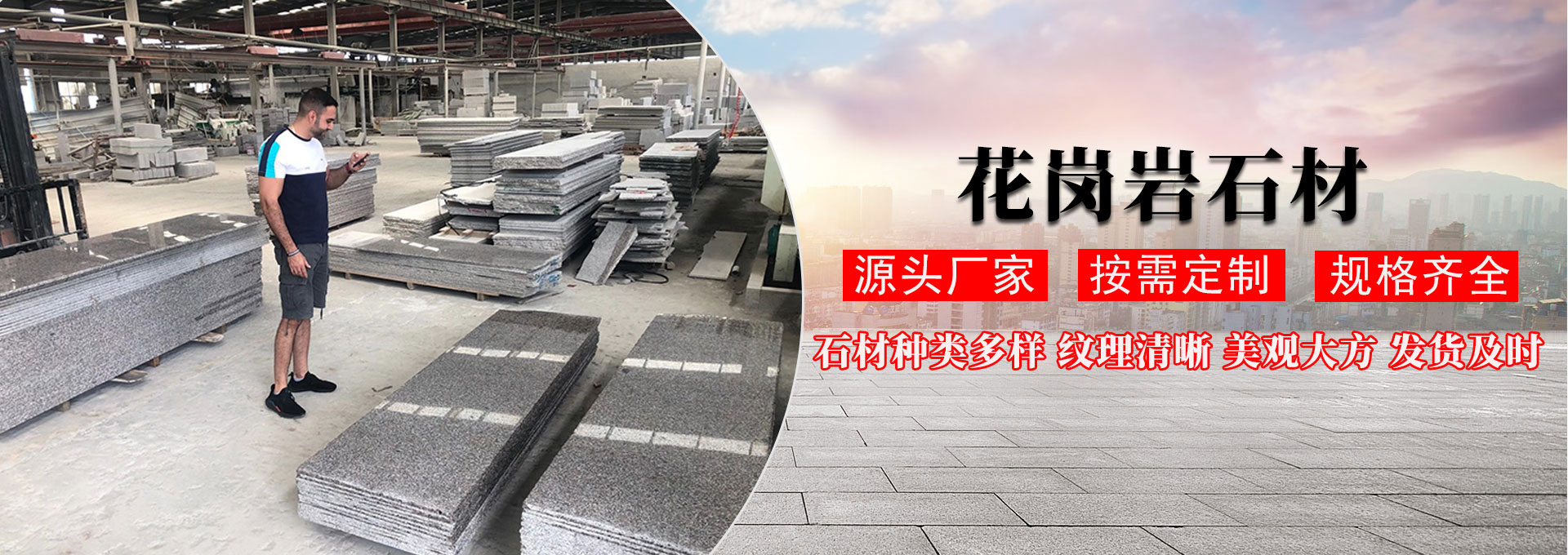


When installing granite curbing and roadside features, it is crucial not to impulsively adopt on-site solutions for finishing materials and detailing. One should strive to design features that complement the surrounding environment and the characteristics of adjacent areas, enhancing the outdoor space's aesthetic through form, texture, and color. The relative height between the curbing and the ground level is significant; the curbing should slightly rise above the general ground level, such as with stop surfaces or warning concrete strips across the road: it can also be low columns protruding from the ground: or flush-mounted paving bricks, or small blocks indicating parking or pedestrian zones: or blocks that recess to form drainage channels. Vertical curbs should be made of granite, dark rock, sandstone, recycled stone, precast concrete, or bricks. The level of curbing or edge treatments can be achieved using the aforementioned materials, as well as with pebbles, small square blocks, poured concrete, asphalt, and loose materials (including gravel, rocks, and loose pebbles) embedded in concrete.
When selecting edge computing materials, it's crucial to consider their initial cost in relation to durability and maintenance expenses. If this is achieved, using more expensive materials is justified, not to mention the added benefit of improving environmental quality.
