
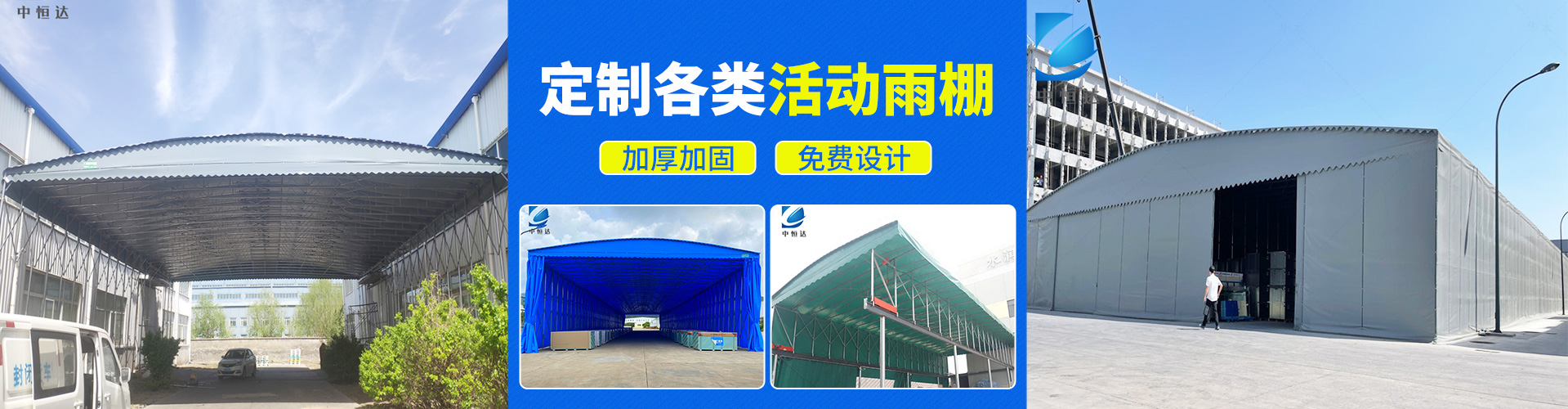

Rain shelters installed above building entrances and exits, as well as above the top balconies to shield rain and protect exterior doors from water damage. The canopy beams are typical bending elements. Canopies come in three forms: (1) Small canopies; such as cantilevered canopies, suspended canopies. (2) Large canopies; such as wall or column-supported canopies, generally categorized into fiberglass and all-steel structures. (3) New modular canopies.
The Benefits of Installation
The new awnings are meticulously designed by professional designers and have passed 519 tests on raw materials and finished products for weather resistance. They offer ultra-durability, self-cleaning rainwater, and noise reduction features, making them suitable for overall installation in residential, villa, elevator apartments, and office buildings. They are aesthetically pleasing and safe, ensuring that without awnings, windows cannot be opened during windy or rainy days, severely affecting indoor air quality and the living environment of the owners. In response to this situation, a new type of awning product has been developed, which not only meets aesthetic requirements but also guarantees resistance to aging, yellowing, chemicals, corrosion, and can withstand the impact of a Category 12 typhoon.
After installing the new high-quality awnings, they effectively block harmful UV rays, keep the sunlight out, and complete the heat exchange between indoors and outdoors through outdoor air convection, significantly reducing the load on air conditioning systems, resulting in a very noticeable energy-saving effect. The awnings can halve the sun exposure time on west-facing windows, effectively contributing to energy conservation and environmental protection. During rain, there is no leakage at a height of two meters, solving the problem of not being able to open windows when it rains.
