
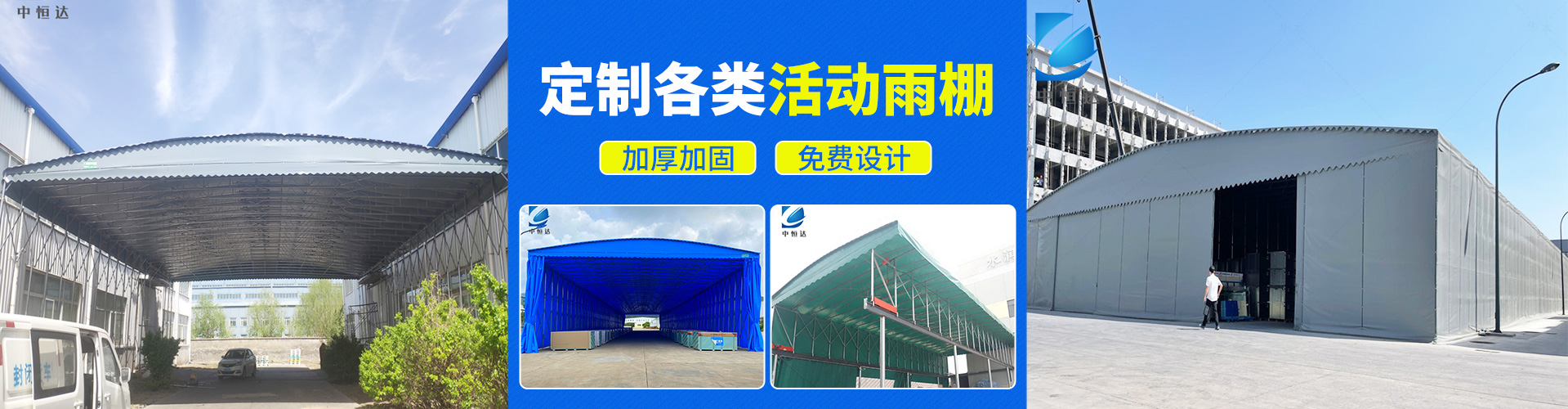

Canopies are horizontal components projecting above doors, windows, or building entrances. Canopies also serve as sunshades, such as on the west facade of a building with many windows, where they are commonly used to block the summer sun's impact. There are various types of canopies, including retractable canopies, car sunshades, and outdoor sunshades.
The sunshade, commonly referred to, can not only be constructed as a horizontal component (overhang), but also as a vertical one (siding), placed on one side of a window opening, or a combination of both. Larger-scale sun louvers can also be considered as sunshades.
Shading functionality in buildings has historically not received sufficient attention and has been rather monotonous in design. As research into building energy efficiency deepens, shading has become increasingly significant as an essential measure for energy conservation. The forms of shading have also diversified, extending beyond fixed sunshades and louvers to include retractable shades, shade sails, and more.
Sun shading has been a staple in European architecture for decades. From centuries-old buildings to modern skyscrapers, sun shading is ubiquitous across the continent, reflecting the region's commitment to energy-efficient construction. Beyond merely shading and energy conservation, sun shading serves additional purposes such as dust prevention, noise insulation, protection, and visual obstruction, thereby enhancing the quality of buildings.
The distinction between sunshades and awnings primarily lies in their functions. Sunshades are generally flat and primarily designed for shading. Awnings, on the other hand, offer a range of functionalities, including sun protection, rain protection, and even advertising, such as printing text or logos on them. Awnings come in various shapes, including flat and伸缩able, watermelon-shaped, trapezoidal, and many more.
