




 通过中商114认证

What are the challenges in stainless steel sheet metal processing? As a commonly used material for laser cutting, the processing difficulties and techniques of stainless steel sheet metal are topics of great interest in the stainless steel processing industry. Below, Wuhan Xinshunda Metal Processing Co., Ltd. summarizes 3 key challenges in stainless steel processing.
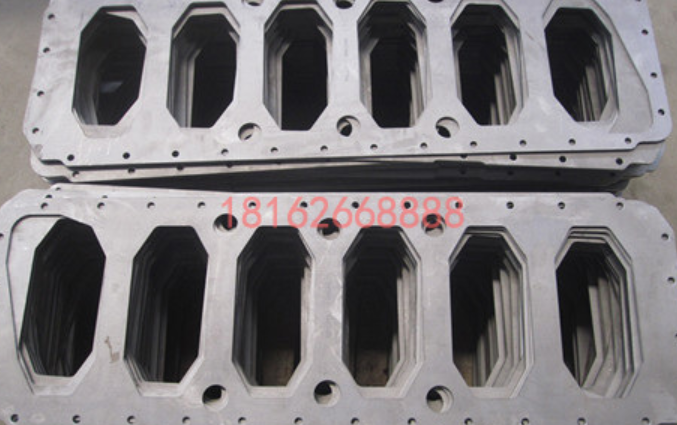
Challenge 1: High cutting force and cutting temperature
This type of material has high strength, resulting in significant tangential stress and plastic deformation during cutting, thereby increasing the cutting force. Additionally, the material has poor thermal conductivity, which leads to a rise in cutting temperature. Often, this high temperature is concentrated in a narrow, elongated area near the tool edge, accelerating tool wear. Moreover, cracking is prone to occur during the processing of stainless steel. How can stainless steel processing cracks be resolved?
Challenge 2: Severe case hardening
Austenitic stainless steel and some high-temperature alloy stainless steels are of austenitic microstructure, which exhibit a significant tendency to work harden during cutting, often several times greater than that of ordinary carbon steel. Cutting within the work-hardened area shortens the tool's lifespan.
Challenge 3: Prone to Stick to Cutting Tools
Both Austenitic and Martensitic stainless steels exhibit characteristics of strong and tough chip formation and high cutting temperatures during processing. When these tough chips flow over the front cutting edge, they can cause adhesion, welding, and other knife sticking phenomena, which affect the surface roughness of the machined parts.
The aforementioned materials generally contain high melting point elements, exhibit high plasticity, and result in high cutting temperatures, which accelerate tool wear and necessitate frequent tool sharpening and replacement, thereby affecting production efficiency and increasing tool usage costs.
