
Composition:

Weight Measuring Instrument
Instrumental Comprehensive Error: <0.02%
2. Sensor Input Ports: Connects up to 6 sensors with a resistance of 350 ohms, requiring a sensitivity of 1.5 mV/V or higher.
3. Weighing Instrument: Utilizes a 32-bit ARM CPU for high reliability and fast operation.
4. Wide voltage design: 85V-260V, 50Hz
5. 24-bit ADC sampling module, with a speed of 240 samples/second. Features include dual-language menu display, 6 digital I/O channels, 2 analog inputs, and 2 analog outputs. Equipped with a large-screen LCD display and standard RS485 interface (Modbus protocol) for seamless integration with DCS networks.
Speed Sensor or Encoder
Speed sensor input adds pulse shaping circuit, which can make the speed measurement more accurate and stable
2. 8030-1024 photoelectric encoder with 30-hole tail roller direct connection, good concentricity, long service life. Strong anti-interference capability.
Section 3: Weighing Sensors
Utilizing high-sensitivity 2mV+ weighing sensors with temperature compensation, suitable for environments ranging from -30°C to 60°C. No drift, stable operation, and high precision.
Four. Excellent Variable Frequency Drive
Utilizing top-tier domestic or international brands, high-performance vector control technology, with wide speed regulation range, precise speed control, and strong overload capacity, fully meets the requirements for quantitative blending control.
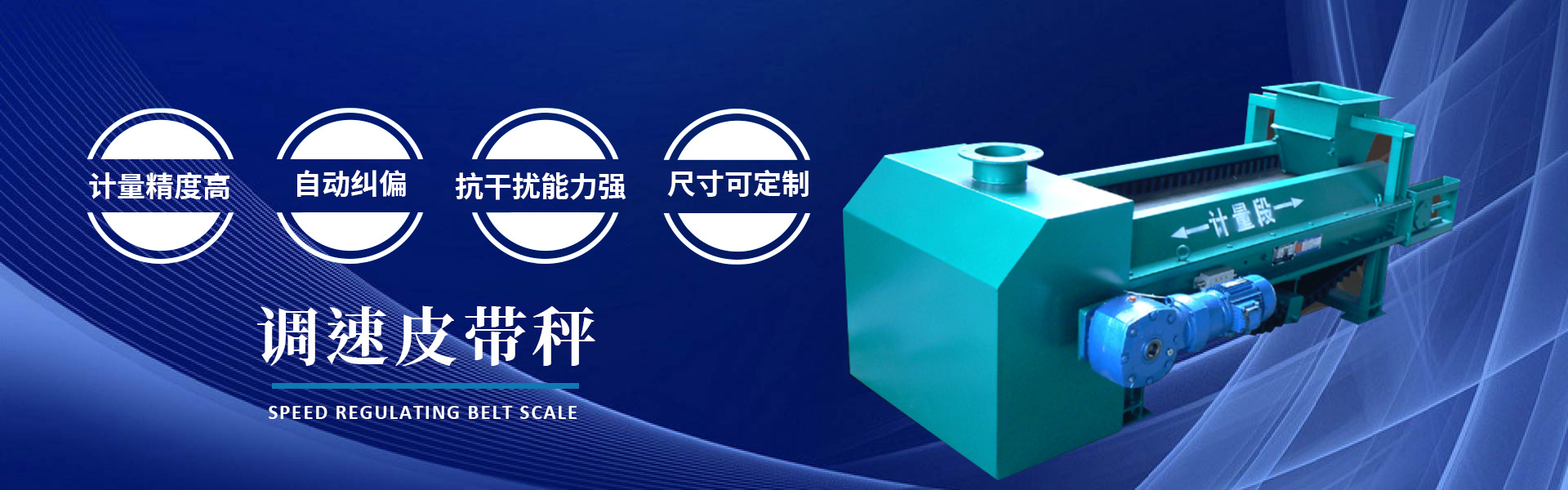
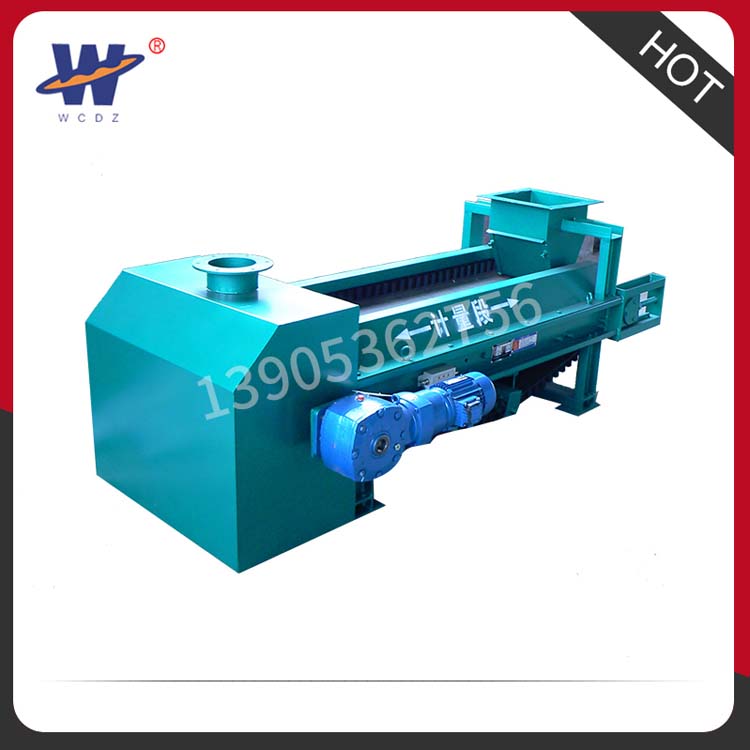
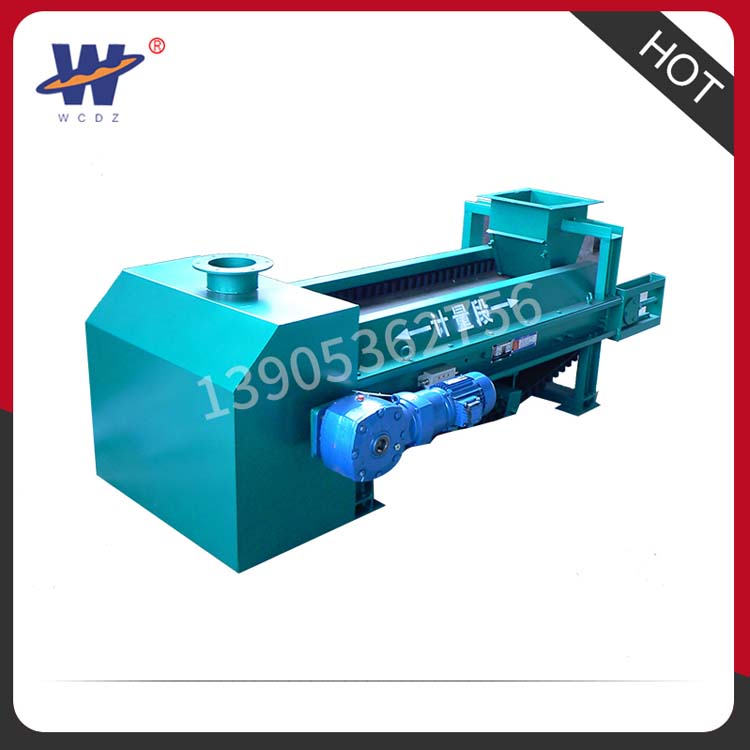
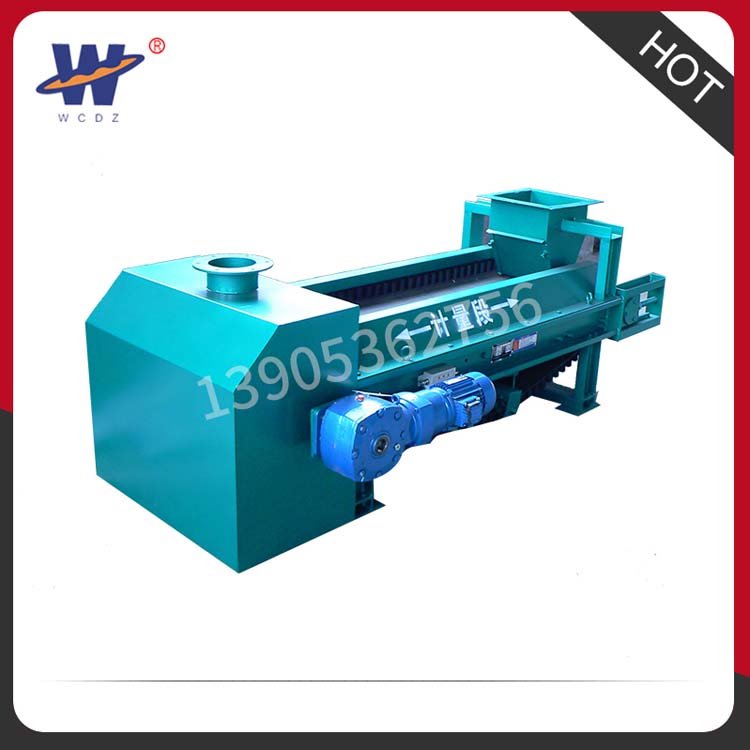
Body features

1. Weighing Frame
The weighing body is made from a single 5mm cold-rolled steel plate bent into a C-shaped frame structure, offering high strength, stable structure, and resistance to deformation.
2. Transmission Unit: The transmission unit (motor reducer) is equipped with a SEW or SBD Schenck weighing scale-specific reducer. It features a shaft hole suspended direct connection installation, powered by the driving roller to run the belt directly (vibration-free, smooth operation). 3. Guidance and Automatic Correction Device:
During belt operation, if an external force causes the belt to drift to one side, the weighbridge correction device will automatically engage the counterweight mechanism through a lever to apply a reverse force, thereby forcing the belt to reset itself automatically.
4. Automatic Tensioning and Adjustment Device: Adjusts the tension of the driven roller's tensioning screw to regulate the tension of the weighing belt, maintaining a constant tension on the conveying belt, and prevents belt drift and slippage through guide roller and automatic alignment device.
5. The drum shaft of the active roller and the driven roller employs a unique waist drum structure, effectively preventing belt misalignment. Both the active roller and the driven roller are treated with rubber coating, ensuring effective prevention of belt slippage.
6. All bearings of the belt scale are imported, featuring waterproof, sturdy sealing, and durability. They are fully adaptable to harsh environments and have a long service life.
7. The feeding port is equipped with a material flow shaping plate, facilitating adjustment of the material layer thickness.
8. An elliptical cleaner and a belt rubber scraper are positioned between the belt and the drum, which can clear the adhered material on the belt at any time, ensuring the weighing body's measurement accuracy and zero point stability.
9. The weighing body is equipped with (emergency stop) switches on both sides, connected to the controller, allowing for on-site power shutdown and stopping, ensuring safer and more convenient maintenance and repair.
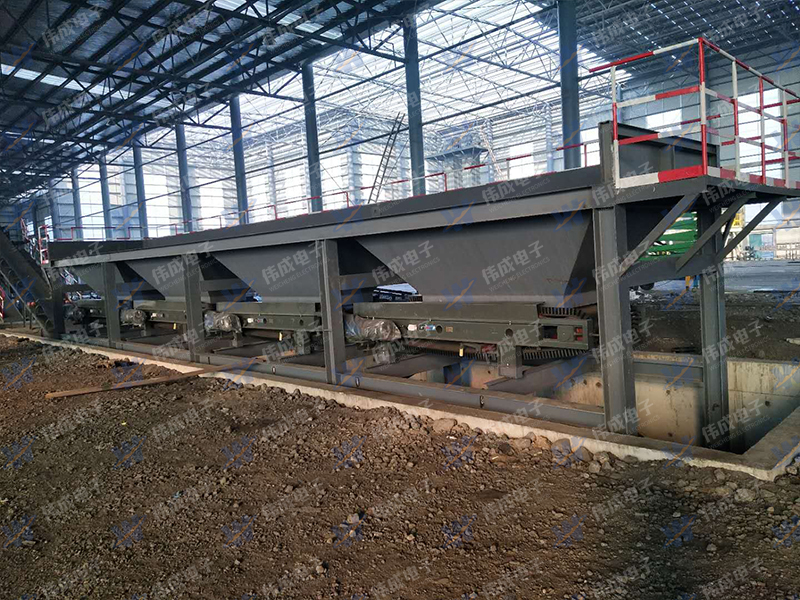
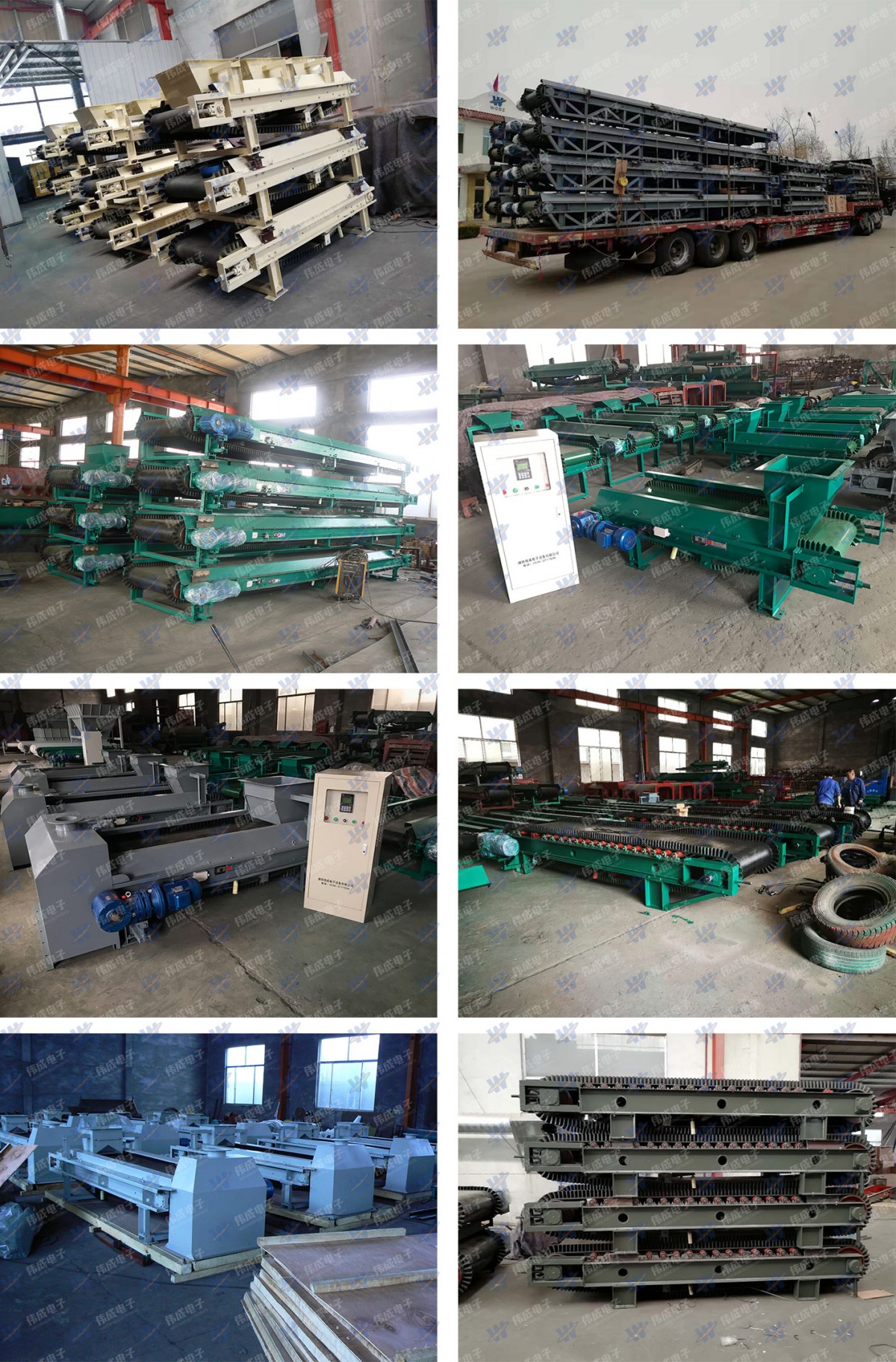
Product Real Photos:
Technical Specifications (Customizable Upon Request)
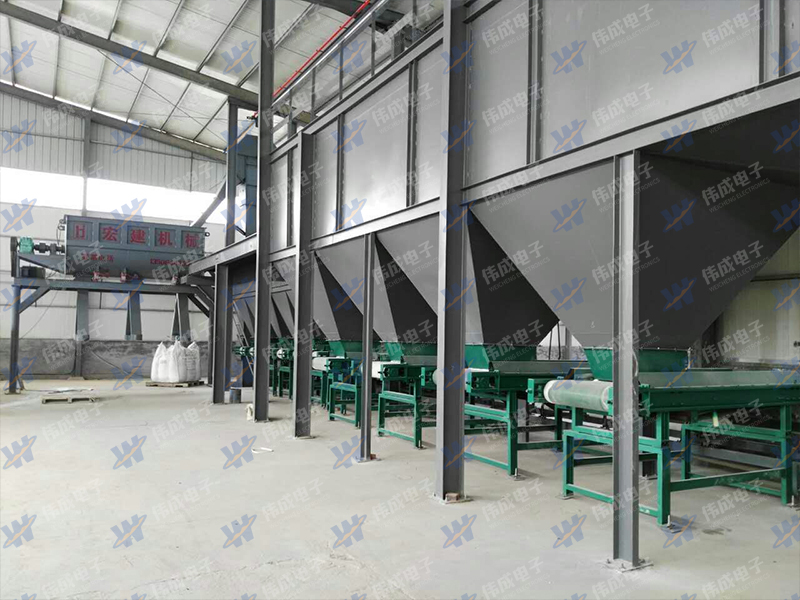
 Engineering Case Studies: