


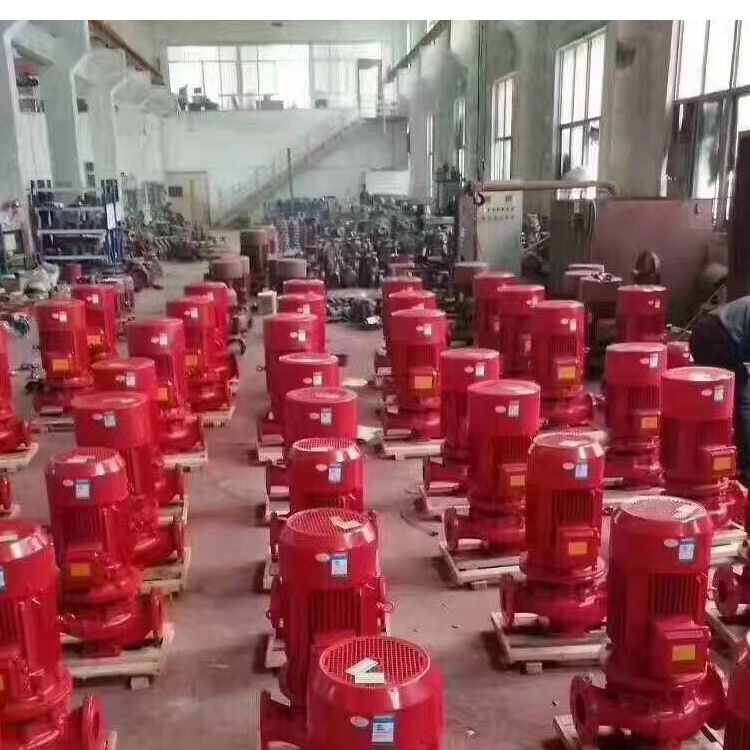


The fire pump room is a crucial facility for providing fire water, directly impacting property safety. To effectively manage the pump room and clarify responsibilities, the following regulations are established:
1. The pump house, underground water tanks, and all electromechanical equipment for the fire protection system are under the responsibility of the equipment and fire personnel. Regular inspections, maintenance, cleaning, and record-keeping are conducted. Issues that cannot be resolved are reported for correction promptly.
2. The mechanical and electrical equipment in the pump room is under the responsibility of the equipment and fire personnel. Unauthorized personnel are not allowed to operate the equipment or enter the pump room.
All equipment in the pump room should be set to the automatic position under normal operation, with all operating signs simple and clear.
Four: Fire pumps and sprinkler pumps are inspected daily and undergo an "automatic/manual" operation check, with maintenance performed quarterly.
Five, the pump room control circuit power should be inspected monthly to ensure the pump can automatically operate in the event of a main engine failure.
Six: Regularly clean the sewage pond and maintain the pumps and pipes.
Categorized by application: Fire pump manufacturers divide these into vehicle fire pumps, marine fire pumps, and engineering fire pumps. The production of these fire pumps allows for the use of specifically designed fire pumps in these particular locations, thereby improving work efficiency.

Selecting a fire pump should consider five aspects: the process flow of the fire pump application project, water supply and drainage requirements, liquid flow rate, lift height, liquid properties, pipeline layout, and operating conditions.
A fire pump is a pump used in fire protection systems. Depending on different classification methods, fire pumps can be divided into various types:
Pumps for fire protection systems are categorized into the following types: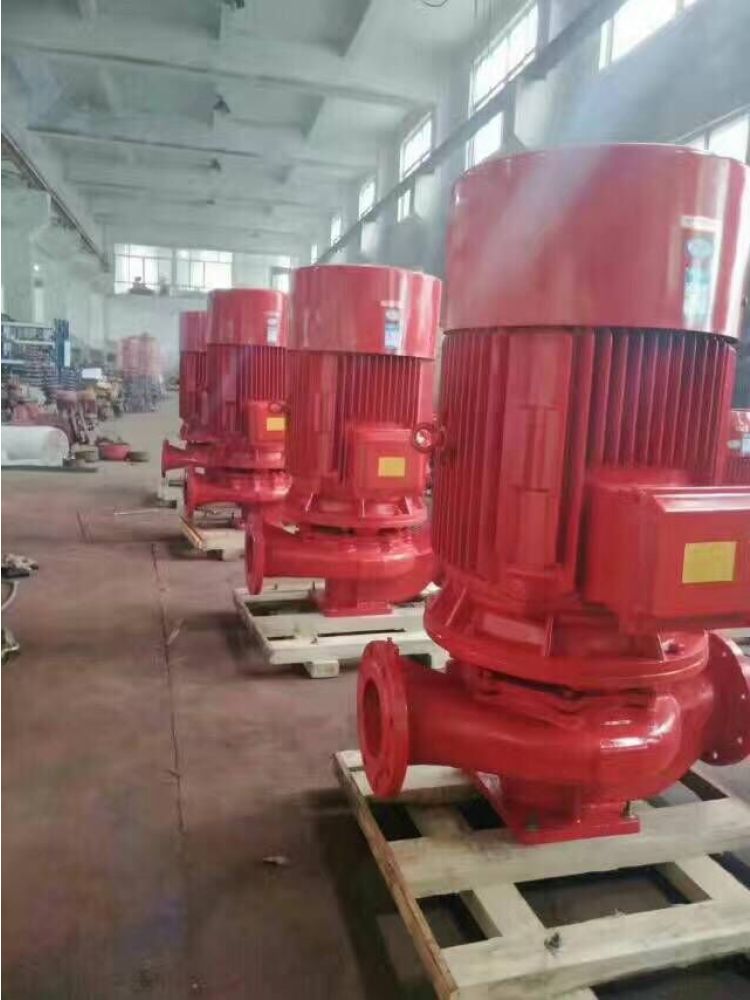
To prevent impurities from entering the pump and blocking the flow path, affecting performance, a filter should be installed in front of the pump inlet.
IS Series Pumps
1. ISW Horizontal Clear Water Pump, designed for conveying clear water and other liquids with similar physical and chemical properties to clear water. It is suitable for industrial and urban water supply and drainage, high-rise building water pressure boosting, garden sprinkling, fire protection pressure boosting, long-distance transportation, HVAC refrigeration circulation, and bathroom hot and cold water circulation boosting, with operating temperature T≤80℃.
2. ISWR horizontal hot water pumps, widely used in: metallurgy, chemical industry, textile, papermaking, as well as hotel and restaurant boiler hot water boosting, circulation, and urban heating systems. ALWR models have a maximum operating temperature of T≤120℃.
3. ISWH horizontal chemical pump, designed for transferring liquids without solid particles and corrosive in nature. Suitable for liquids with viscosity similar to water, applicable to industries such as oil, chemicals, metallurgy, power, papermaking, food, and synthetic fibers. Operating temperature range: -20℃ to +120℃.
4. ISWY Horizontal Pipeline Oil Pumps, designed for transferring gasoline, kerosene, diesel, and other oil products, as well as flammable and explosive liquids. The temperature range of the transported medium is -20℃ to 120℃.
5. ISWHY horizontal stainless steel explosion-proof chemical centrifugal pump, suitable for transferring flammable chemical liquids.
6. ISWD Horizontal Low-Speed Pump, suitable for environments with extremely low noise requirements, operating temperature T≤120℃.
4. ISWY Horizontal Pipeline Oil Pumps, designed for transferring gasoline, kerosene, diesel, and other oil products or flammable, explosive liquids, with a medium temperature range of -20℃ to 120℃.
5. ISWHY horizontal stainless steel explosion-proof chemical centrifugal pump, suitable for transferring flammable chemical liquids.
6. ISWD Horizontal Low-Speed Pump, suitable for environments with very low noise requirements, operating temperature T≤120℃.
Fire Pump Start-up and Shutdown Procedures
1. After starting the pump, check the motor's operating current and ensure the pump runs normally; if any anomalies are detected, stop the pump immediately.
2. Check the pressure gauge at the pump outlet. Once the gauge needle reaches the rated operating pressure and stabilizes, gradually open the outlet valve to ensure the pump operates at the rated state.
3. After the pump is normally filled with water, move the clutch handle installed for vacuum suction to the "split" position.
4. Monitor the pressure of the valve group; maintain the pressure of the clean water valve group around 0.8 MPa and the foam valve group around 1.0 MPa. If the pressure cannot be maintained, adjust the pump outlet and return valve to control the pressure appropriately.
5. Regularly inspect the temperature of the pump and motor bearings; the temperature must not exceed 75 degrees. Check that the motor's operating current is within the normal range.
6. After shutting down the pump, adjust all valves according to the valve open/close status diagram to restore them to their normal state.
7. Move the vacuum-installed clutch handle to the "engage" position, flip open the exhaust valve, allow the float assembly to reset, and put it in readiness.
8. If the pump starts and the pressure immediately drops from 0.8 Mpa to around 0.4 Mpa, it will not drain normally. In this case, immediately shut off the pump, open the air vent to reset the float assembly, and then restart the pump.
9. Under normal conditions, one 1# and one 2# voltage stabilizer pumps are in operation, while the other is in standby.
