
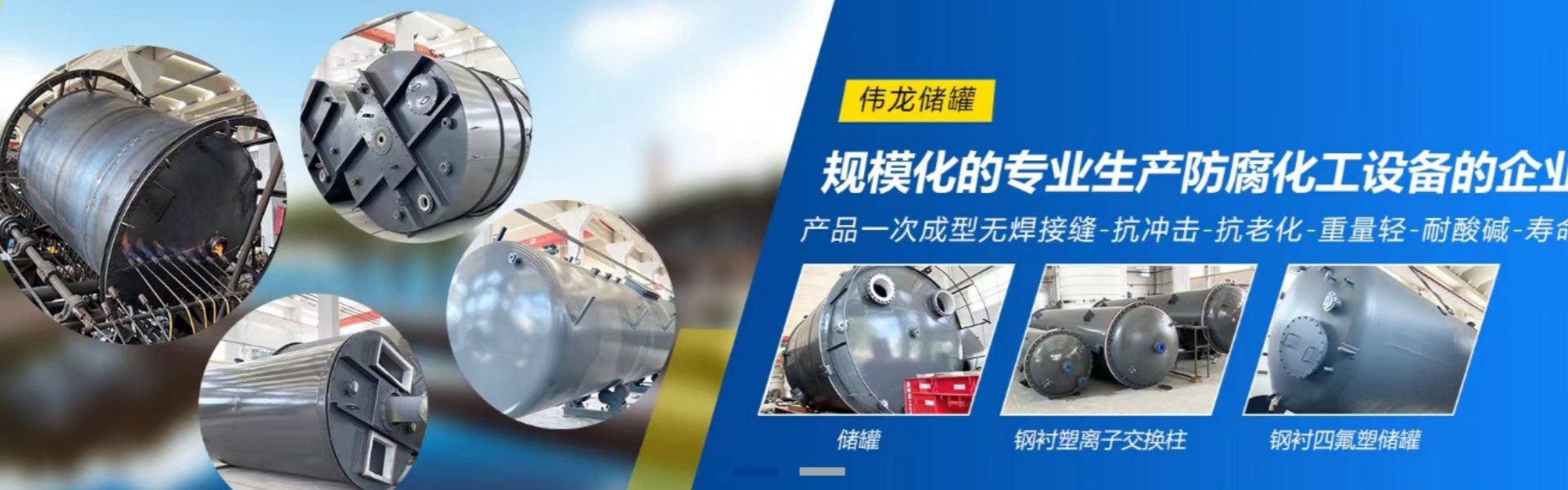
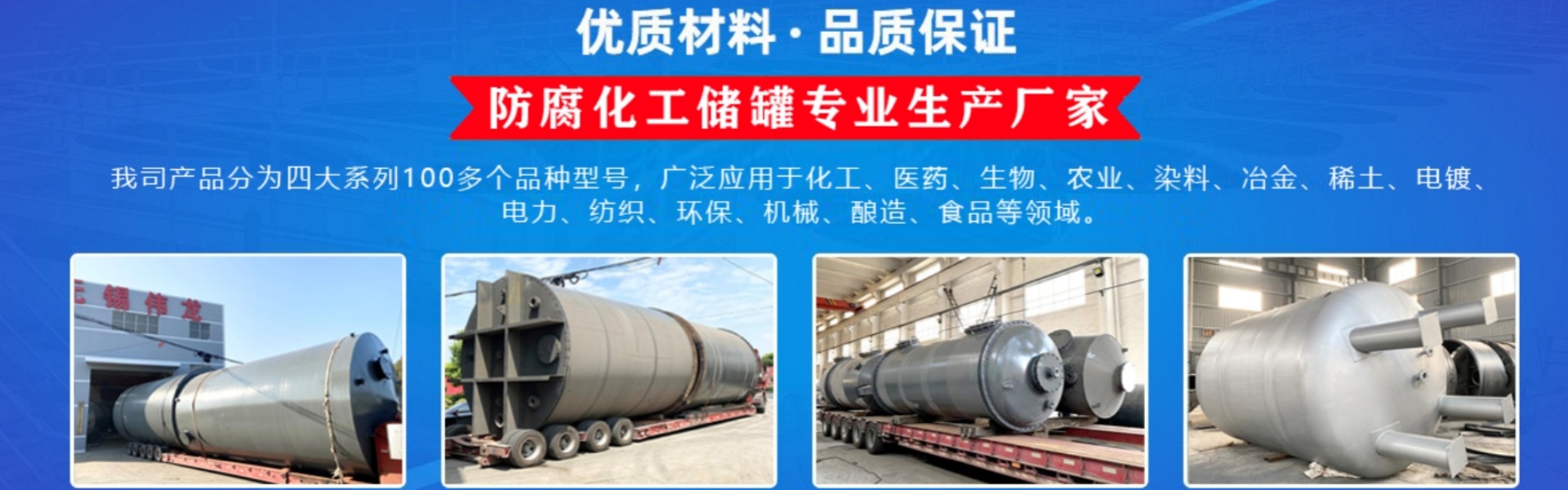

The tanks referred to here are actually specialized sealed containers used for storing liquids or gases. They do not produce mass or heat transfer effects. In practical production, commonly used tank types include dome-shaped, internal floating roof, and horizontal tanks, among others.
Tower equipment is a mass transfer device between gas and liquid phases, or in liquid phases. From a structural perspective, it is mainly categorized into plate towers and packed towers, and is commonly used for distillation, absorption, and extraction operations.
It is clear that if only pure liquid or gas storage materials are involved, the selection of storage tanks can meet the requirements. However, if heat transfer, mass transfer, and reaction are to be produced, the corresponding towers should be chosen based on the production process conditions.
During this process, several factors need to be considered, including system attributes, operational conditions, methods, as well as technical and economic functions, etc. Based on years of practical experience, corrosive substances are typically chosen for packed towers, and substances that tend to foam are also suitable for packed towers.
For handling materials that are prone to agglomeration or contain solid particles, tray towers are more suitable. This is also the case for systems with significant heat absorption or release during the separation process, as well as towers with multiple feed and side stream discharge points, which are typically chosen as tray towers.
Compared to tanks, which are relatively more specialized, towers are known for their versatile functions and wide usage scale. Nonetheless, both tanks and towers are indispensable products in the chemical production process.
