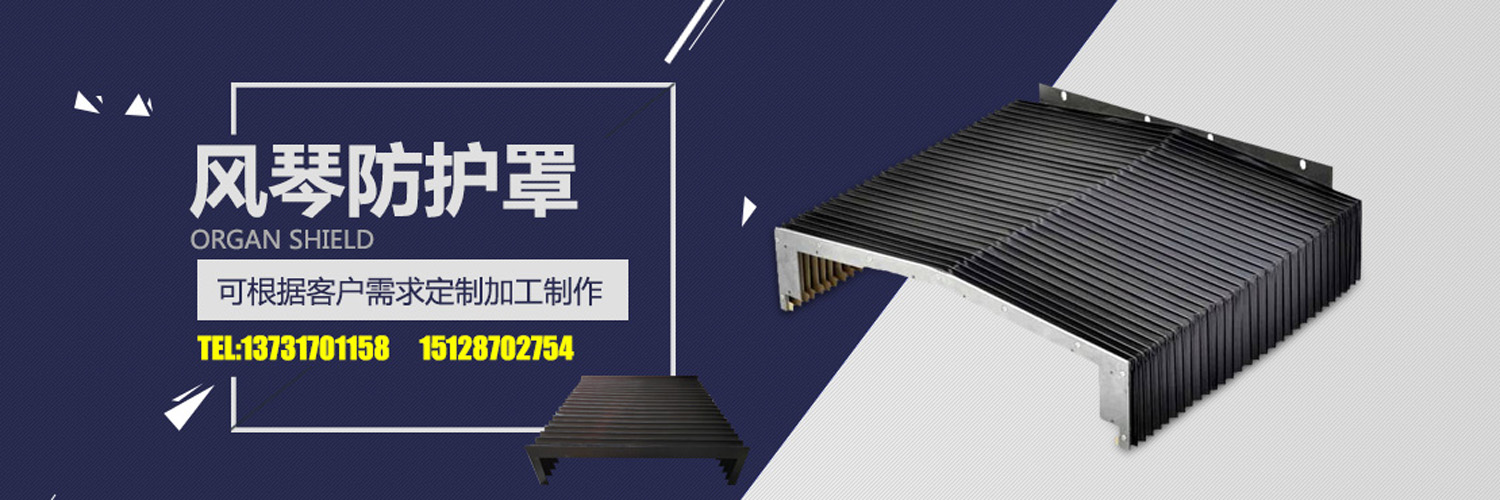
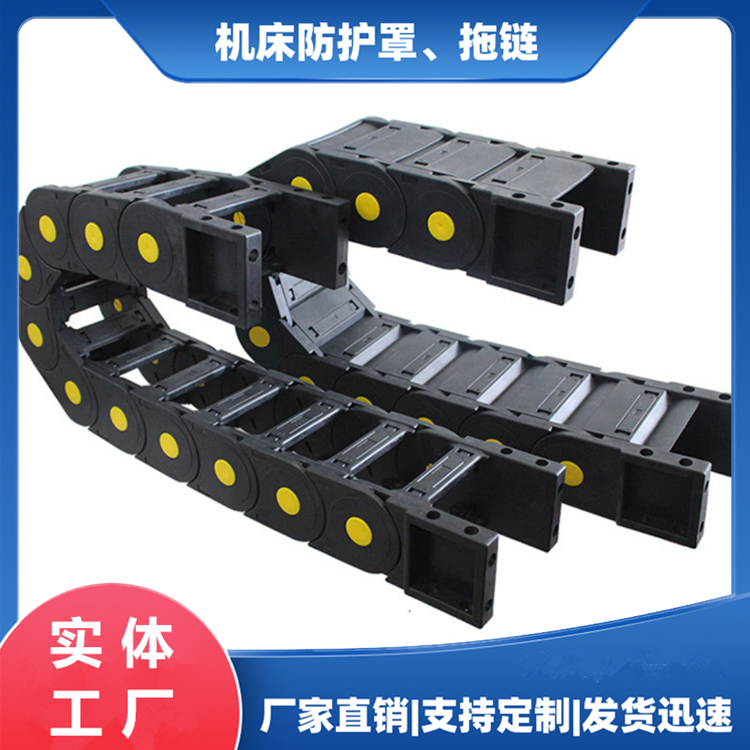
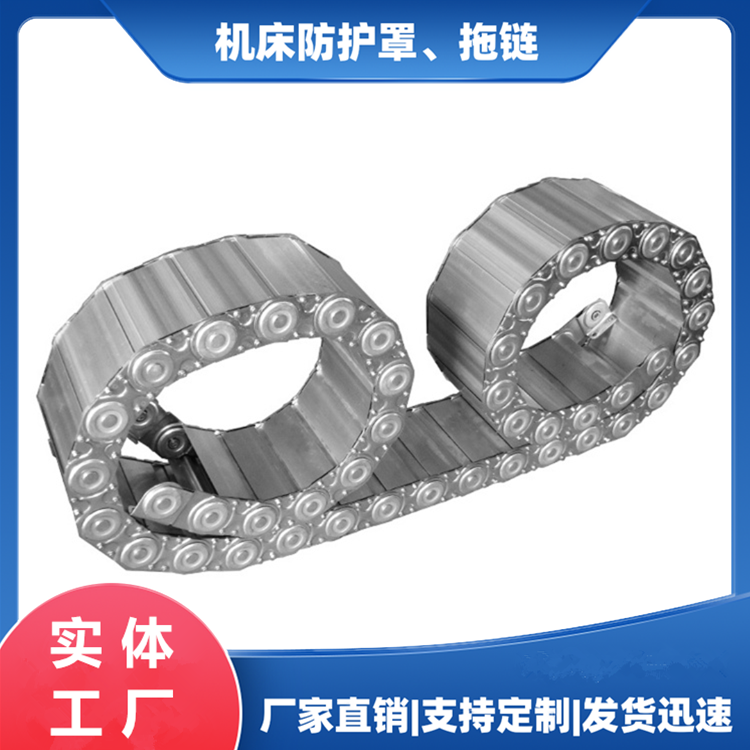
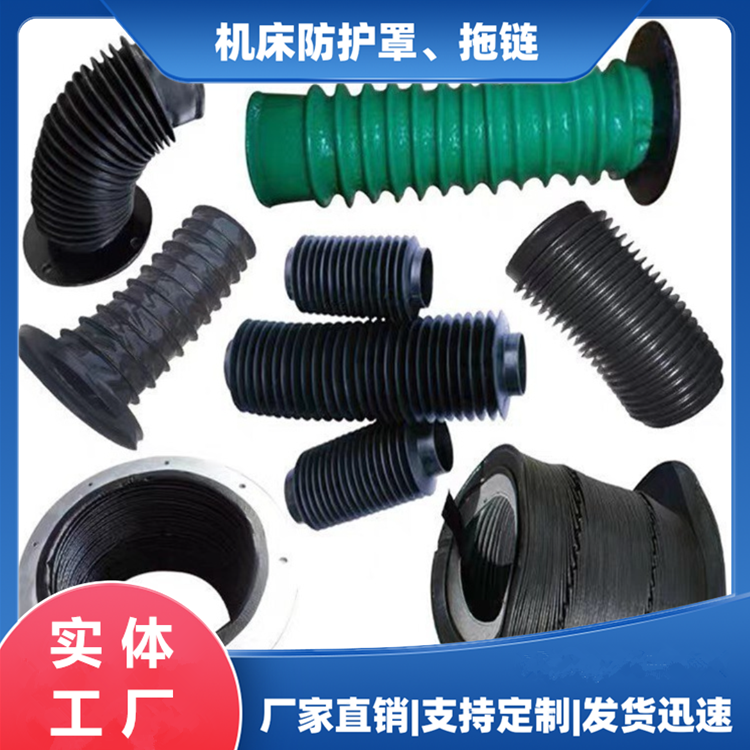
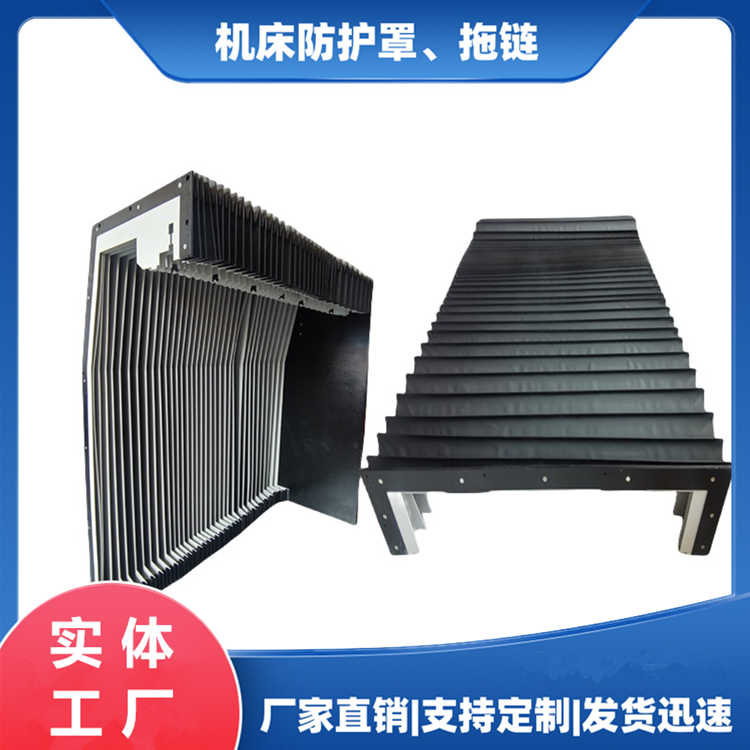
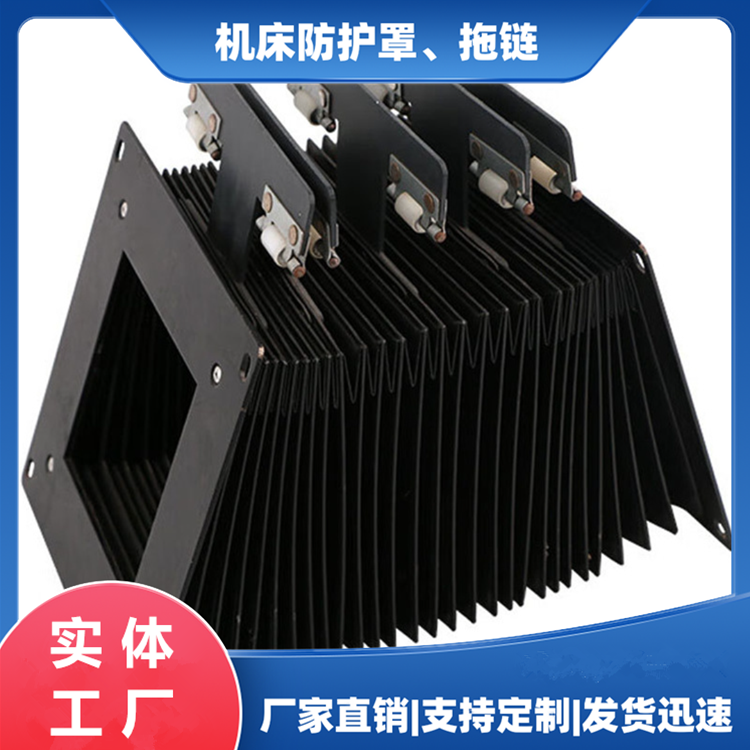
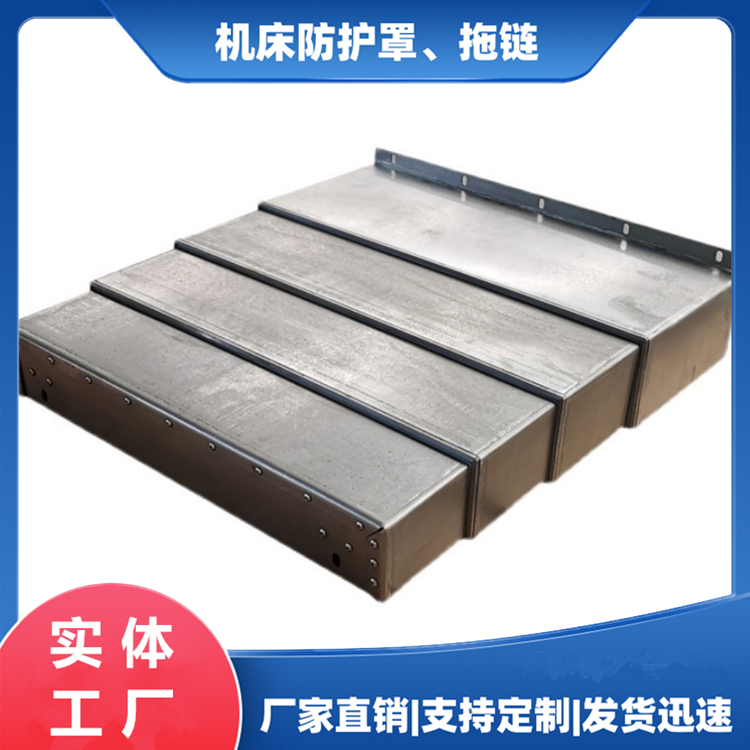
Steel guard plates are an essential component of industrial production equipment, primarily used to protect operators from mechanical injuries while also aiding in the maintenance and cleaning of the equipment. Proper installation of steel guard plates not only enhances safety but also extends the lifespan of the equipment, ensuring production efficiency. The following is the installation...Steel plate protective guardKey Considerations to Follow:
1. Measurement and Design: Prior to installation, precise measurements of the required protected area are necessary, including width, length, and height, to ensure the protective cover fits properly. Customizing the shape and size of the protective cover according to actual needs is crucial, especially for non-standard equipment or special working conditions.
2. Material and Thickness Selection: Choose the appropriate steel plate material based on the working environment, such as carbon steel, stainless steel, or aluminum, to address varying corrosiveness, high temperatures, or cleanliness requirements. The steel plate thickness should be sufficient to withstand potential impacts without deformation, while also considering the weight's impact on the equipment to avoid excessive burden.
3. Installation Location and Angle: Ensure that the guard cover is positioned to fully cover the protected area without any blind spots, while not hindering normal equipment operation and maintenance. For guard covers with top openings, it is recommended to design a certain inclination angle to allow rainwater or cutting fluid to naturally drain, preventing water accumulation.
4. Fixed and Supported: Secure the protective cover firmly to the equipment using bolts, clamps, or other fastening devices to prevent movement during operation. For longer or larger protective covers, additional support points should be added in the middle to avoid bending and deformation due to their own weight.
5. Safety and Convenience: Install safety interlock devices on the protective cover, such as limit switches, to ensure the equipment automatically stops when the cover is open, enhancing safety. Provide access doors or disassembly interfaces for easy maintenance and cleaning, allowing routine tasks to be completed without fully removing the protective cover.
6. Cleaning and Maintenance: Opt for surface treatments like painting or coating that are smooth and resistant to dust and oil stains for easy daily cleaning. Establish a regular inspection system to check for any damage or loose parts on protective covers, and promptly repair or replace them as needed.
7. Compliance: Ensure that the design and installation of the protective guard comply with local safety regulations and industry standards, such as ISO, OSHA, and other relevant regulations.
Proper installation of steel plate guards is fundamental to ensuring production safety and efficient equipment operation. From initial measurement and design to the final installation and adjustment, every step requires careful consideration to achieve both safety and practicality. Adhering to these key points not only effectively enhances the factory's safety management level but also creates greater economic and social value for the enterprise.