

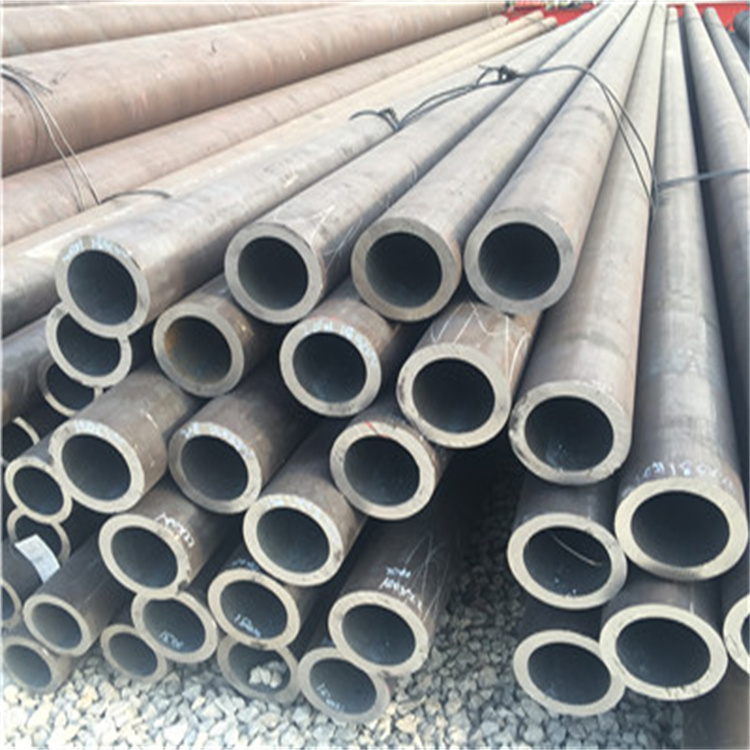
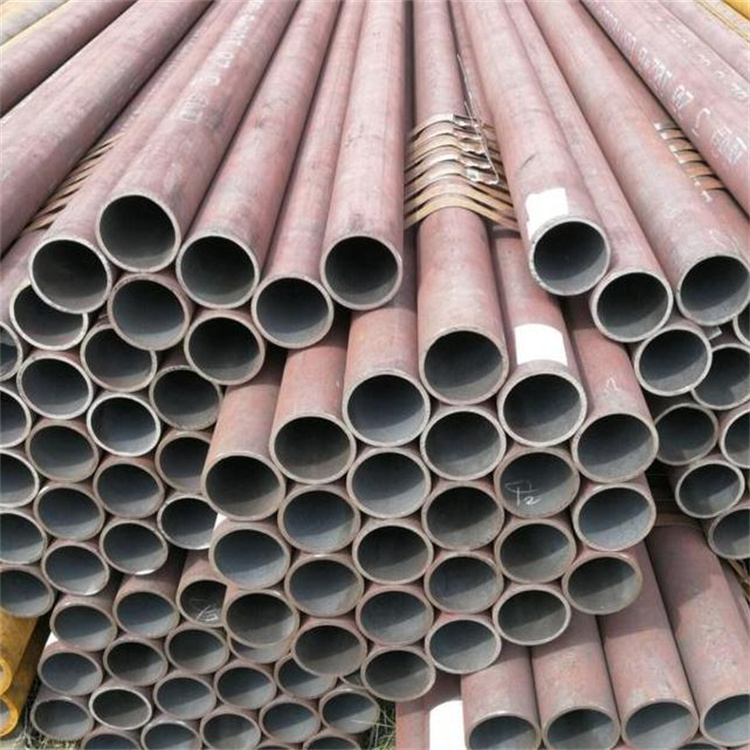

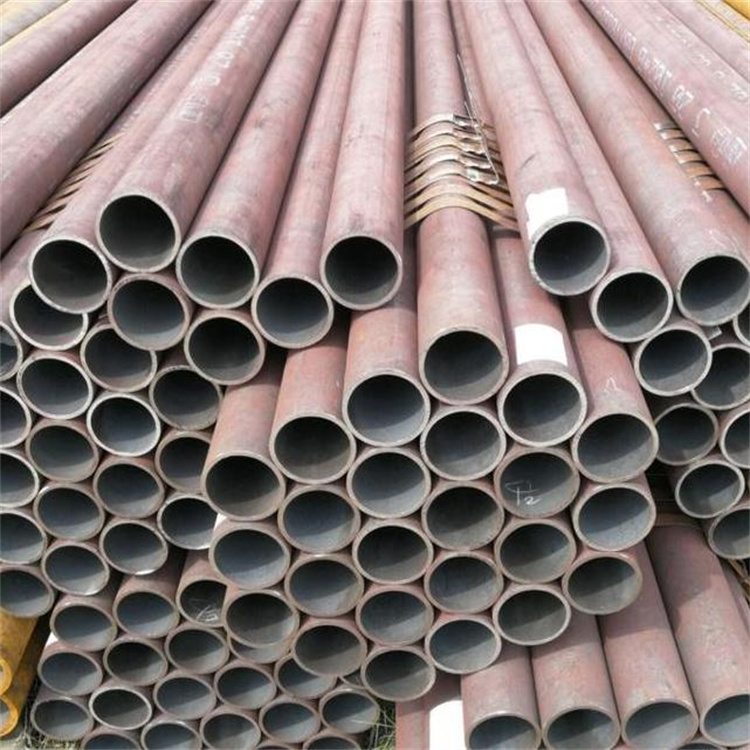
With the development of the national economy, the country vigorously promotes the source industry. Long-distance oil and gas pipelines are an important means to ensure energy (Explanation: substances that provide energy conversion to the natural world). In the anticorrosion construction process of oil (gas) pipelines, the anticorrosion treatment of steel pipes is a crucial task, as it is the prerequisite for a firm bond between the anticorrosion coating and the steel pipe. Today, let's learn about the processing methods of anticorrosive steel pipes with the steel pipe factory. Seamless steel pipe manufacturers produce seamless steel pipes with a wide range of applications. General-purpose seamless steel pipes are made from ordinary carbon structural steel, low-alloy structural steel, or alloy structural steel, with high production volume, mainly used as pipelines for conveying fluids or structural parts. 2. They are supplied in three categories based on different applications: a. Supplied according to chemical composition and mechanical properties; b. Supplied according to mechanical properties; c. Supplied according to hydrostatic testing. Steel pipes supplied according to categories a and b, if used to bear liquid pressure, must also undergo hydrostatic testing. 3. Special-purpose seamless pipes include boiler pipes, chemical and power industry pipes, geological pipes, and oil pipes, among others.
Utilize solvent (characteristics: transparent, colorless liquid) and emulsion to clean the steel surface, which achieves the removal of greases, dust, lubricants, and similar organic substances. However, it cannot remove rust, oxidation scales, fluxes, etc., from the steel surface; it is merely an auxiliary means of anticorrosion. Precision seamless steel tubes have a large diameter of up to 650mm and a small diameter of 0.3mm. Depending on the application, there are thick-walled tubes and thin-walled tubes. Seamless steel tubes are mainly used as drilling pipes for oil and gas geology exploration, cracking pipes for petrochemical use, boiler tubes, bearing tubes, and high-precision structural steel tubes for automotive, tractor, and aviation use.
