

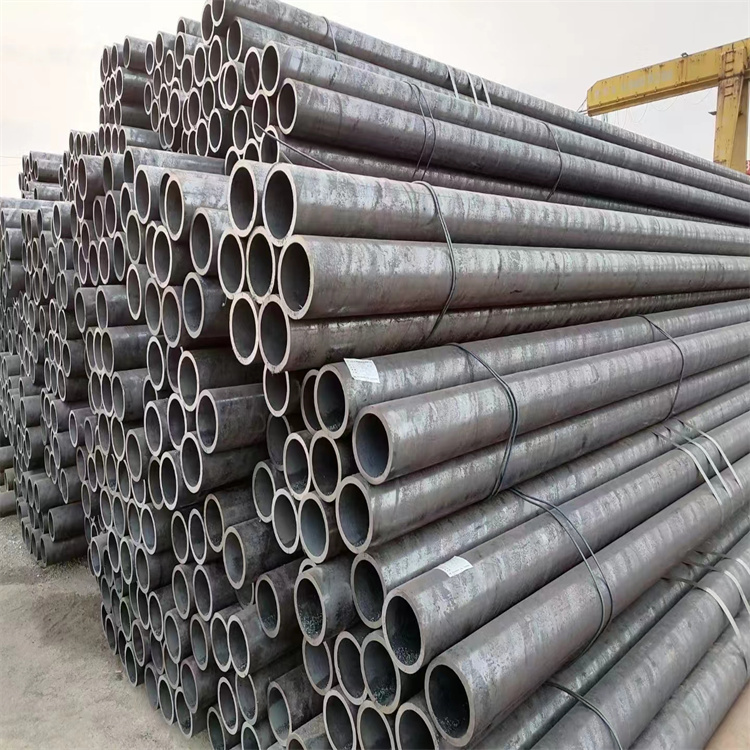
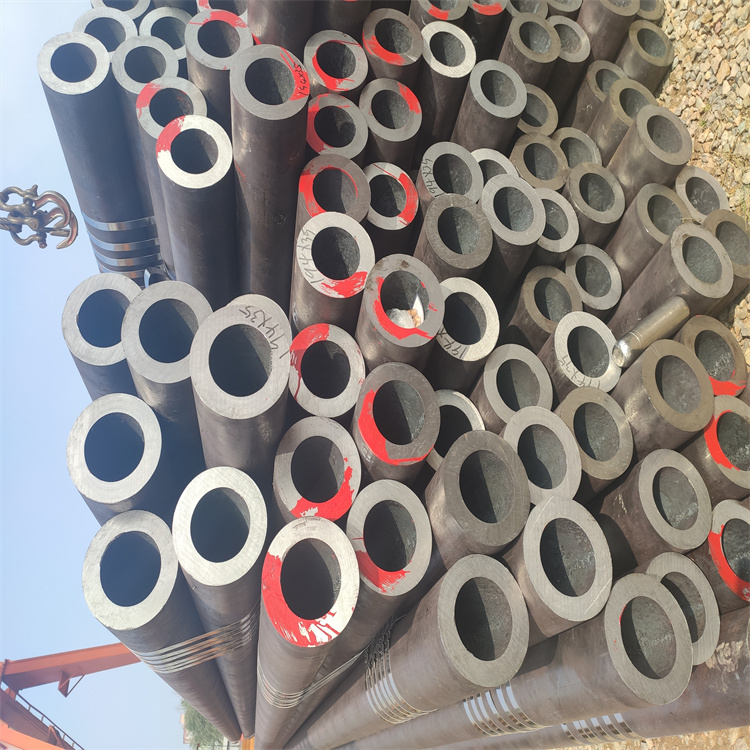
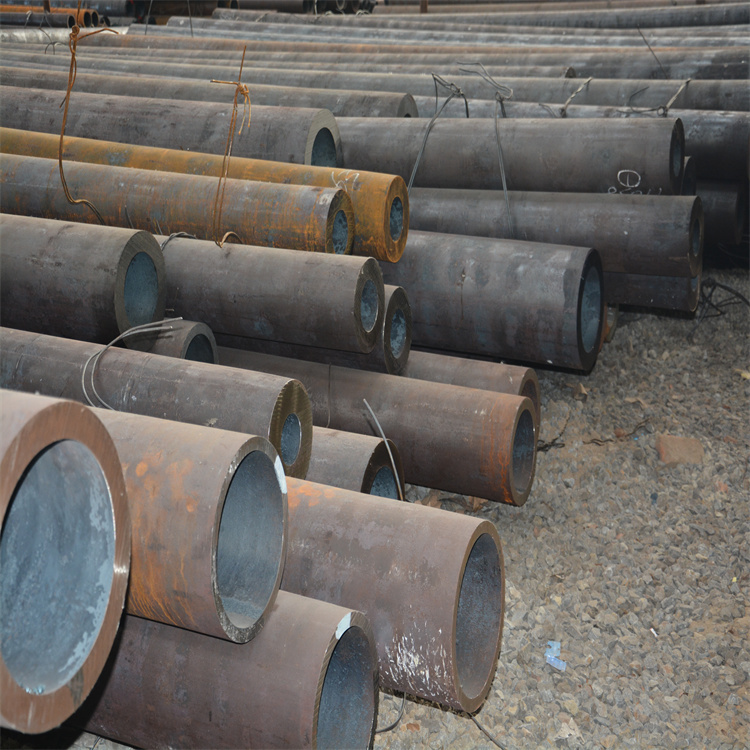
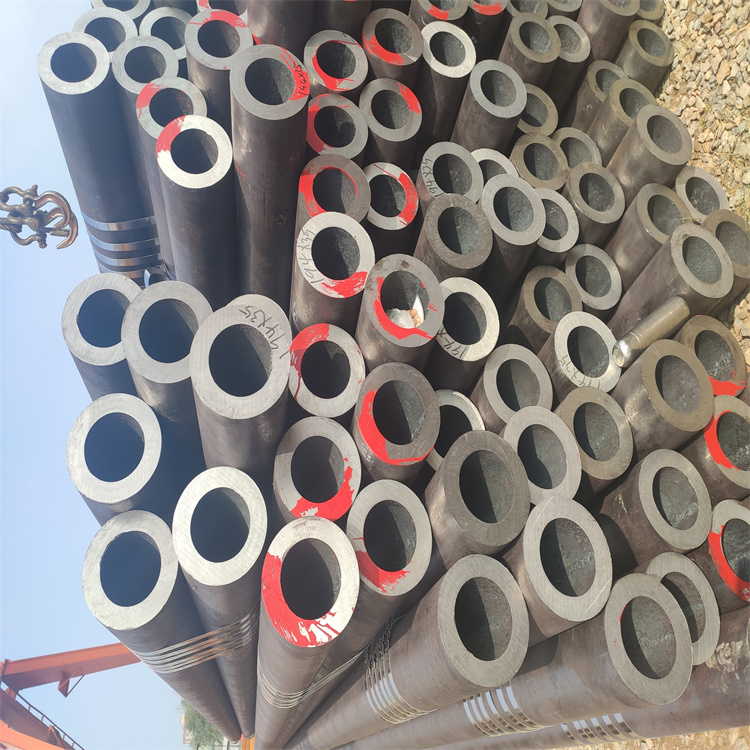
 304 stainless steel pipe contains alloy elements such as Cr, Ni, N, Nb, and Mo, which enhance the pipe's toughness and wear resistance, making it widely used in electrical and mechanical equipment. However, it has poor machinability, often resulting in blade breakage and sticking during actual processing. Due to the significant plastic deformation of stainless steel during cutting, the chips are difficult to break and tend to stick together, leading to severe work hardening during the cutting process. How to address the difficulty in cutting 304 stainless steel pipe?
Selecting the appropriate cutting tool is fundamental to producing high-quality parts. Poor tools lead to a high rate of scrapped parts. Choosing overly high-quality tools, while they may meet the surface quality requirements of the parts, can lead to waste and increase production costs. Considering the poor heat dissipation, the formation of work-hardening layers, and the tendency to stick to the tool when cutting stainless steel tubes, the selected tool material should possess good heat resistance, high wear resistance, and minimal affinity with the steel tube.
