


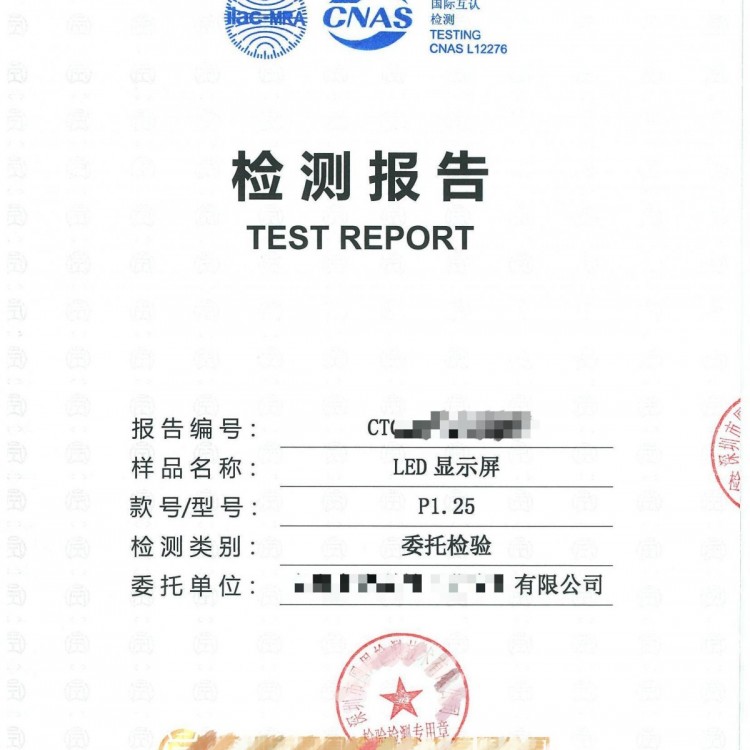

LED Display LCD Screen Blue Light Hazard Testing Application
If your display products or lighting products require blue light hazard testing, RG0 testing, photobiological safety testing, or to prepare a GB20145 test report, EN/IEC 62471 report, please contact Engineer Li on the right for a phone number or scan the WeChat QR code to get a quote and more information from Kuaoyitong Testing, Engineer Li.
LED displays and LCD screens are widely used in electronic devices such as TVs, computers, and smartphones. However, in recent years, there has been growing concern about the blue light hazards associated with these screens. In response to this issue, various regions have conducted related blue light hazard testing procedures. This article will discuss the blue light hazard testing procedures for LED and LCD screens from four aspects.
I. Background and Significance of Blue Light Hazard
1.1 Source and Characteristics of Blue Light
Blue light is a strong spectrum of light in screens that can provide high brightness and vivid colors. However, blue light has high energy. Excessive exposure to blue light may lead to eye fatigue, vision decline, and even retinal damage.
1.2 Health Impacts of Blue Light Radiation
Extended exposure to intense blue light can lead to eye strain, dry eyes, and other ocular and physiological issues. Particularly, children, those who use electronic devices for extended periods, and individuals already suffering from eye fatigue are more susceptible to the harmful effects of blue light.
Part II: Method for Testing Blue Light Hazard
2.1 Test Equipment and Technology
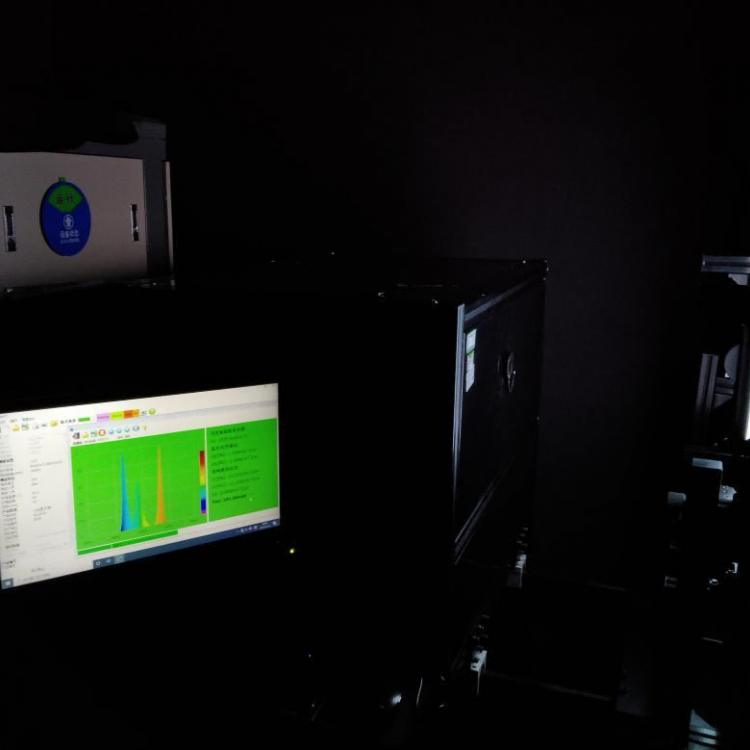
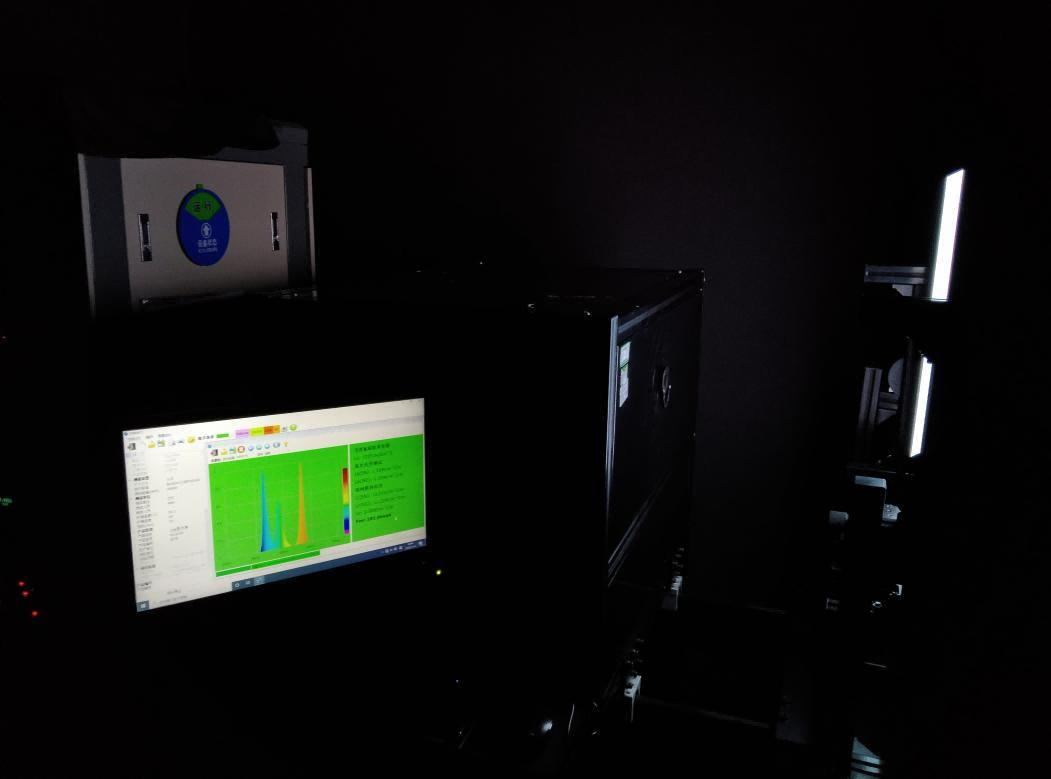
To assess the blue light hazard of various electronic devices, the required testing equipment and technologies are needed. By utilizing spectrometers, color analyzers, and other instruments, it is possible to accurately measure light of different wavelengths, thereby evaluating the intensity and level of blue light hazard. Additionally, eye-tracking devices and electroencephalogram (EEG) machines can be used to objectively assess the human tolerance to blue light.
2.2 Test Indicators and Standards
For testing the hazards of blue light, common indicators include the blue light energy ratio and the blue light distribution ratio. The blue light energy ratio refers to the proportion of the energy emitted by blue light on the screen to the total emitted energy. The blue light distribution ratio indicates the distribution of blue light across different wavelength ranges. These indicators can be evaluated and compared according to national and regional standards to determine compliance with safety requirements.
Section 3: Significance and Role of Blue Light Hazard Testing Procedures
3.1 Ensure User Health
Passing the blue light hazard test accurately assesses the device's blue light radiation, enabling timely detection and correction of issues to ensure user health and experience.
3.2 Foster product innovation and market competition
Based on the blue light hazard testing, manufacturers can make technical improvements and innovations based on the test results, designing display products with lower blue light radiation to enhance market competitiveness.
IV. Prospects and Challenges of Blue Light Hazard Testing Procedures
4.1 Establishment of International Standards
Currently, there is no consensus on the testing standards for blue light hazards across different regions. To better protect user health, it is necessary to establish internationally unified testing standards to enable manufacturers to design and produce safer products.
4.2 Product Oversight and Customer Promotion
On the basis of blue light hazard testing, product supervision must be strengthened to ensure compliance with relevant standards and regulations. Additionally, through promotion and education, users' awareness and prevention of blue light hazards should be enhanced.
In summary, the testing and handling of blue light hazards for LED and LCD screens is crucial for ensuring user health and promoting technological innovation. Through precise measurement and evaluation, not only can the safety performance of equipment be enhanced, but also product development and market competition can be fostered. However, to achieve this goal, international standard setting and unification, as well as strengthened product supervision and public education for users, are necessary. Only then can we better address the issue of blue light hazards and safeguard user eye health.
LED Display LCD Screen Blue Light Hazard Testing Application
If your display products or lighting products require blue light hazard testing, RG0 testing, photobiological safety testing, and preparation of GB20145 test reports, EN/IEC 62471 reports, please contact Engineer Li on the right for a phone number or scan the WeChat QR code to reach Kuaoyitong Testing Engineer Li for a quote and other information.
