


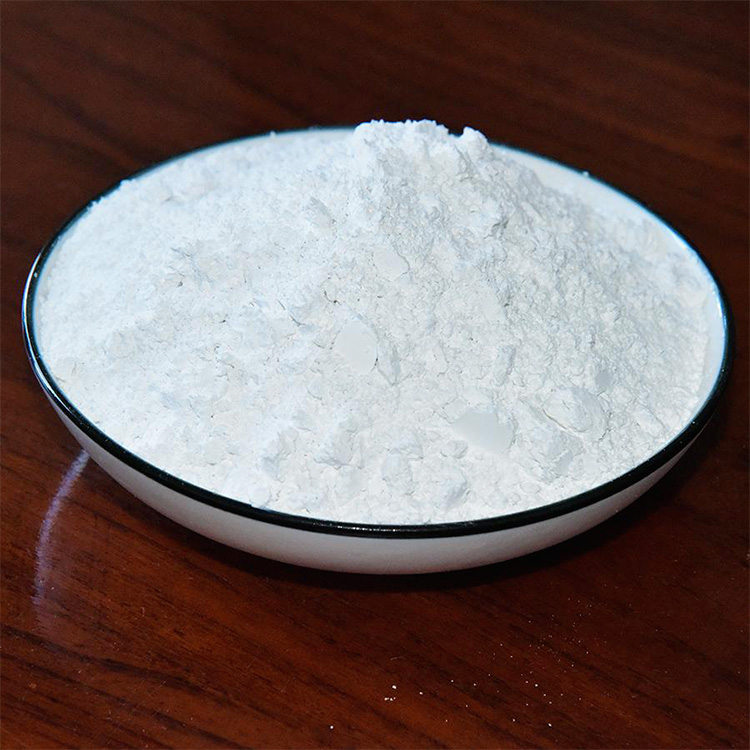
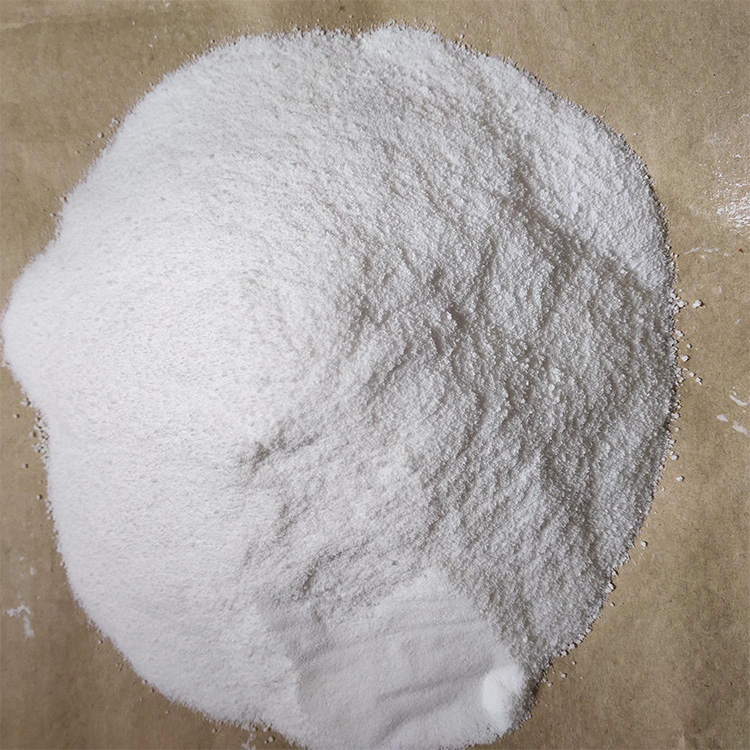

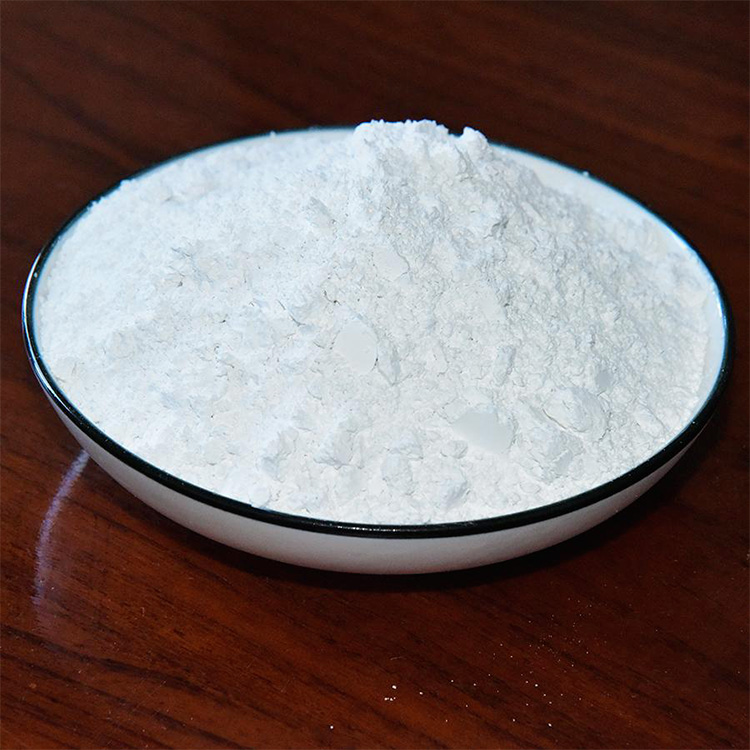
Leaders in China's pulp and papermaking industry note that talc for papermaking, one of the three crucial mineral raw materials indispensable to modern papermaking in our country, will still hold the major position in paper fillers within the next five years.
According to the introduction, over 50% of China's talc for papermaking is used in the paper industry, making it a major traditional white mineral raw material with a high consumption rate. In the past two years, the estimated consumption has been around 1.3 million tons, primarily used as a filler in papermaking, as a resin adsorbent, and in small quantities for paper coating pigments. The primary technical significance of talc for papermaking in China, despite its widespread use, remains as a filler, which differs from that in developed countries abroad.
Currently, over 95% of papermaking fillers in Europe and the US use calcium carbonate. High-quality paper-grade talc is priced higher and is primarily used as a functional material, such as leveraging the lubricating properties of paper-grade talc to enhance the smoothness of paper and improve production operability. In the past, 50-60% of China's exported paper-grade talc was used for fillers. Due to pricing issues, in recent years, the Asian paper industry has started transitioning to neutral papermaking, resulting in an average 30% reduction in the market share of paper-grade talc in the Asian filler market.
Someone predicts that over the next 10 years, with the widespread adoption of talc papermaking technology, especially driven by production techniques, the usage of talc powder as a papermaking filler will significantly increase. However, within the next 5 years, talc powder for papermaking will still maintain its primary status as a papermaking material.
