

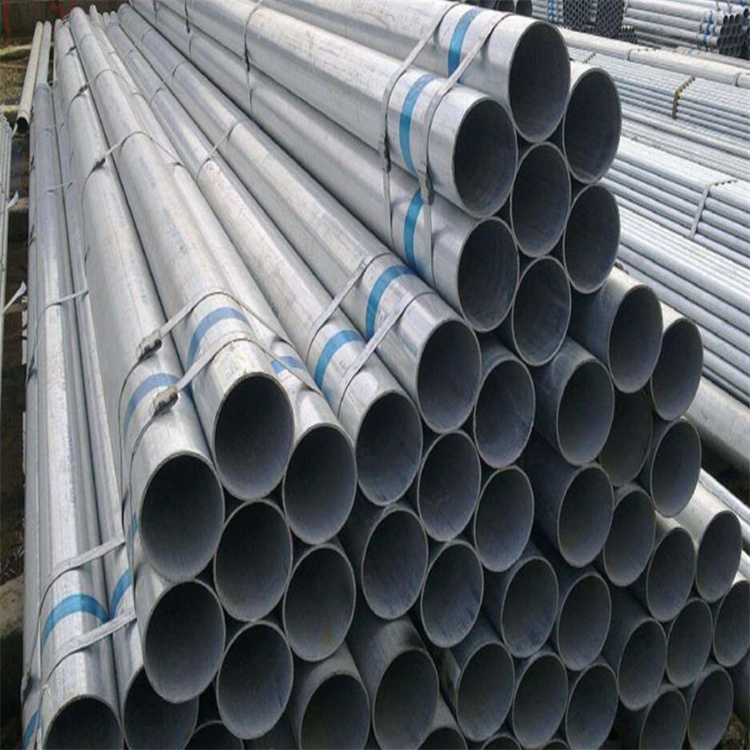
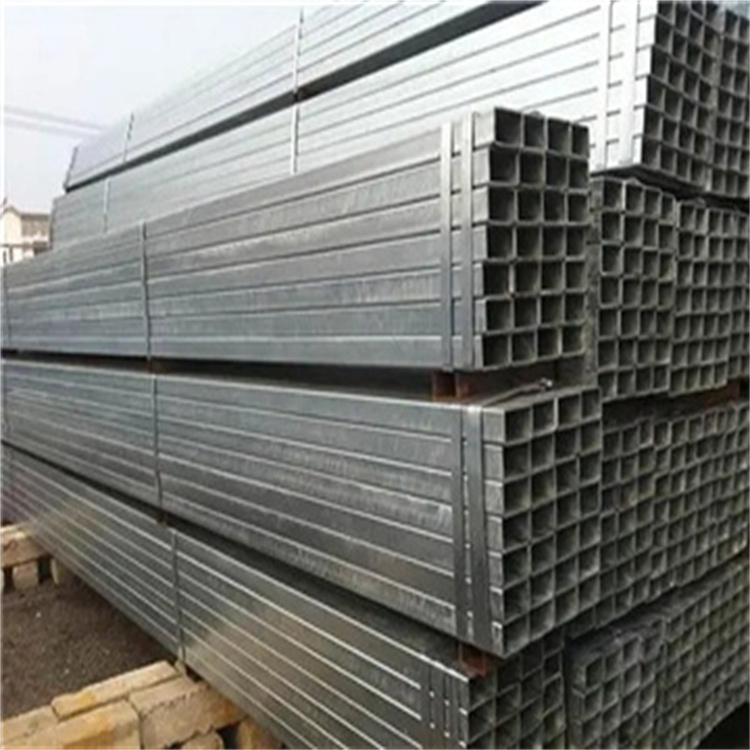
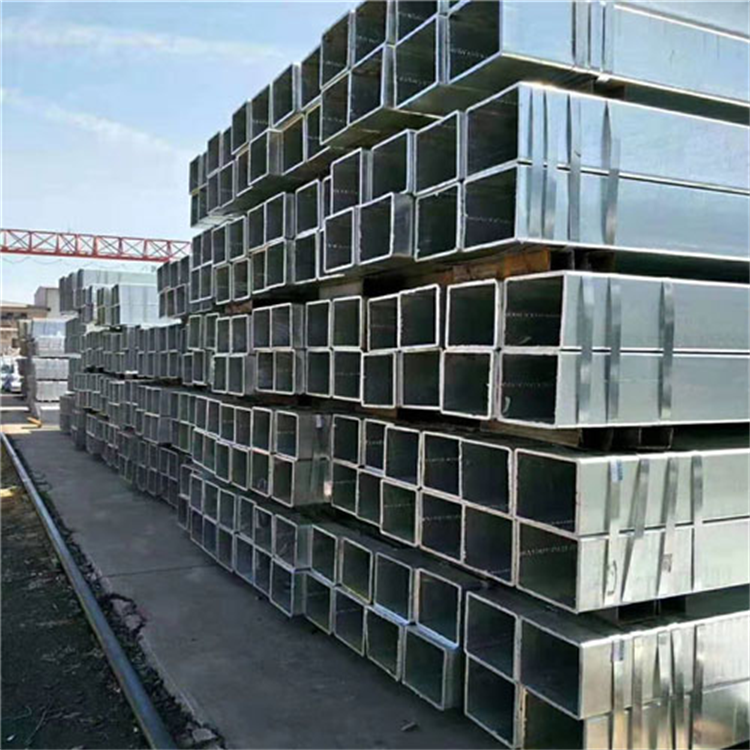
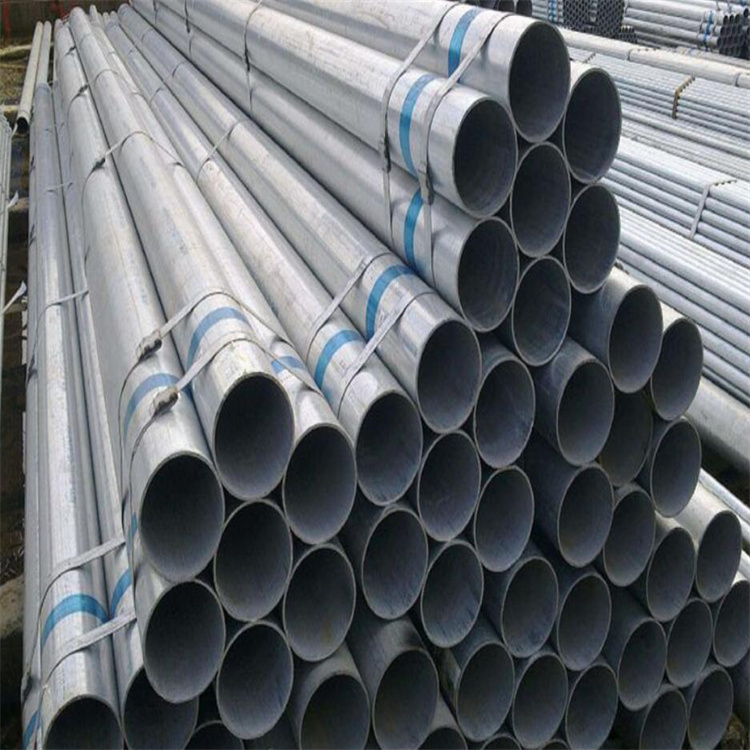
Hot-dip galvanized pipes are formed by causing the molten metal to react with the iron substrate to produce an alloy layer, thereby combining both the substrate and the coating. The process involves first pickling the steel pipes to remove surface iron oxide, followed by cleaning in an ammonium chloride or zinc chloride aqueous solution or a mixture of both in a bath. Then, they are immersed in a hot-dip galvanizing tank. Hot-dip galvanizing offers advantages such as even coating, strong adhesion, and long service life. The steel substrate undergoes complex physical and chemical reactions with the molten coating to form a tightly structured, corrosion-resistant zinc-iron alloy layer. This alloy layer merges with the pure zinc layer and the steel substrate, providing excellent corrosion resistance.
