
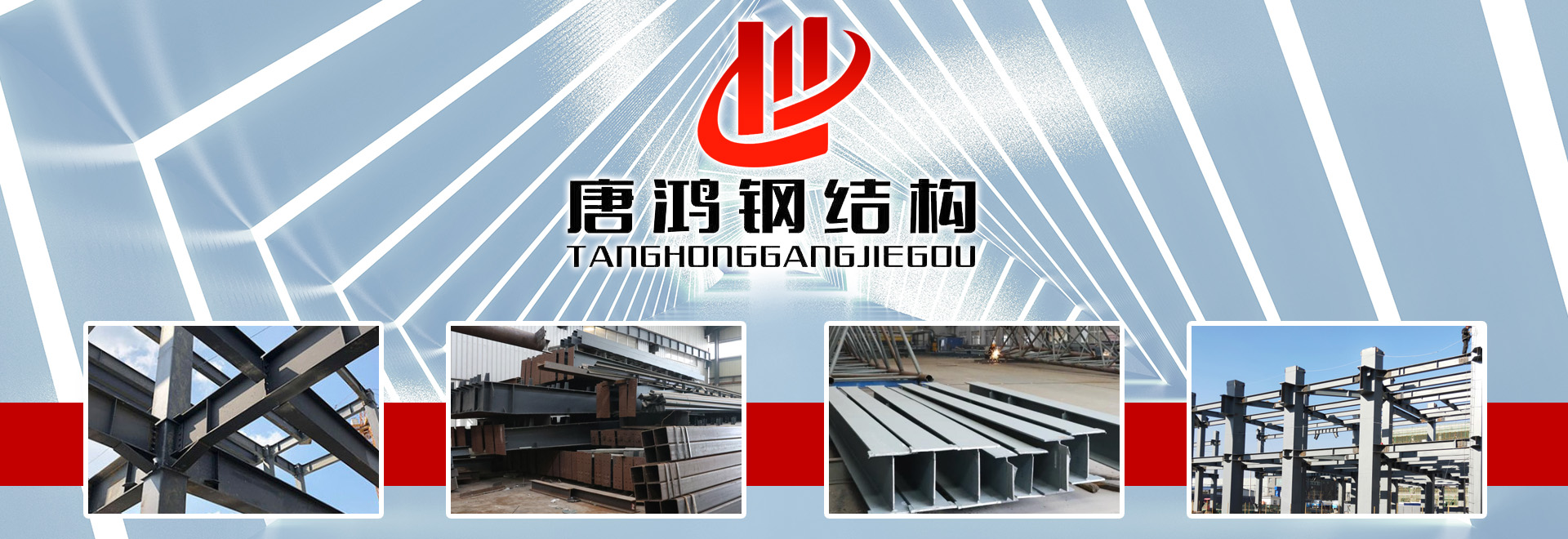


Steel structures refer to a system of structures composed of steel, commonly connected by welding or bolts to form various shaped components, which then assemble into an integrated structure with a certain spatial form. Compared to traditional concrete buildings, steel structures offer advantages such as light weight, high strength, short construction periods, easy disassembly, and recyclability, making them widely applicable in our daily lives.
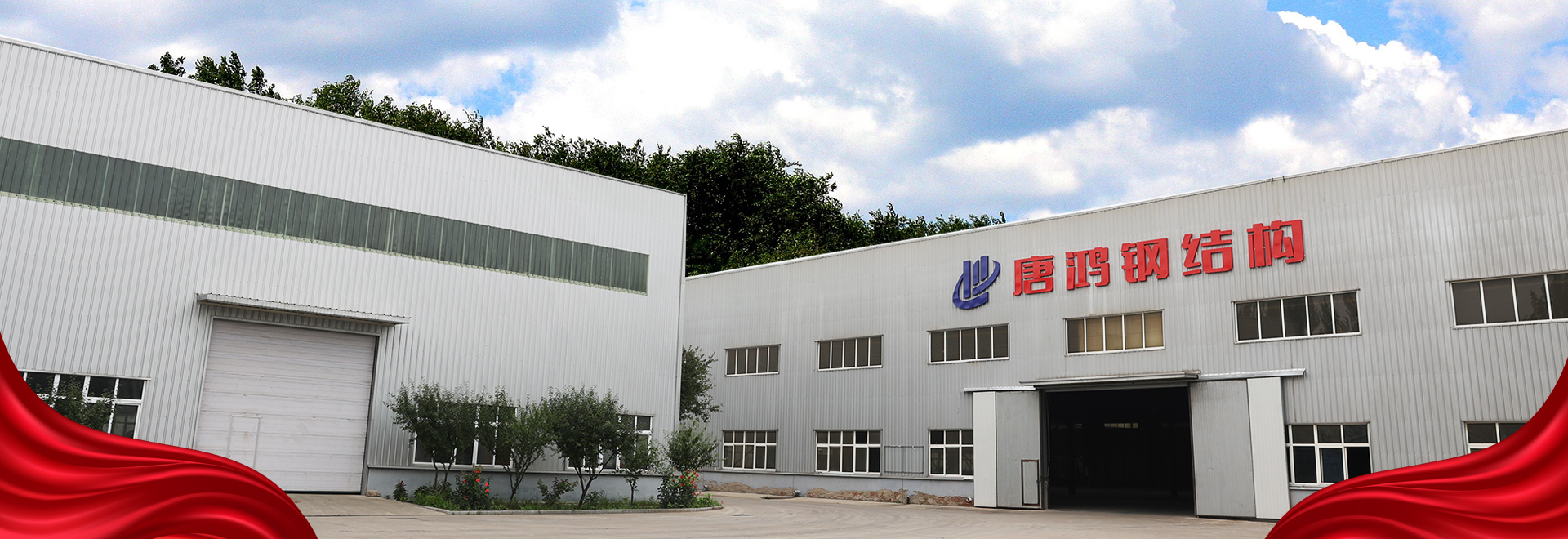
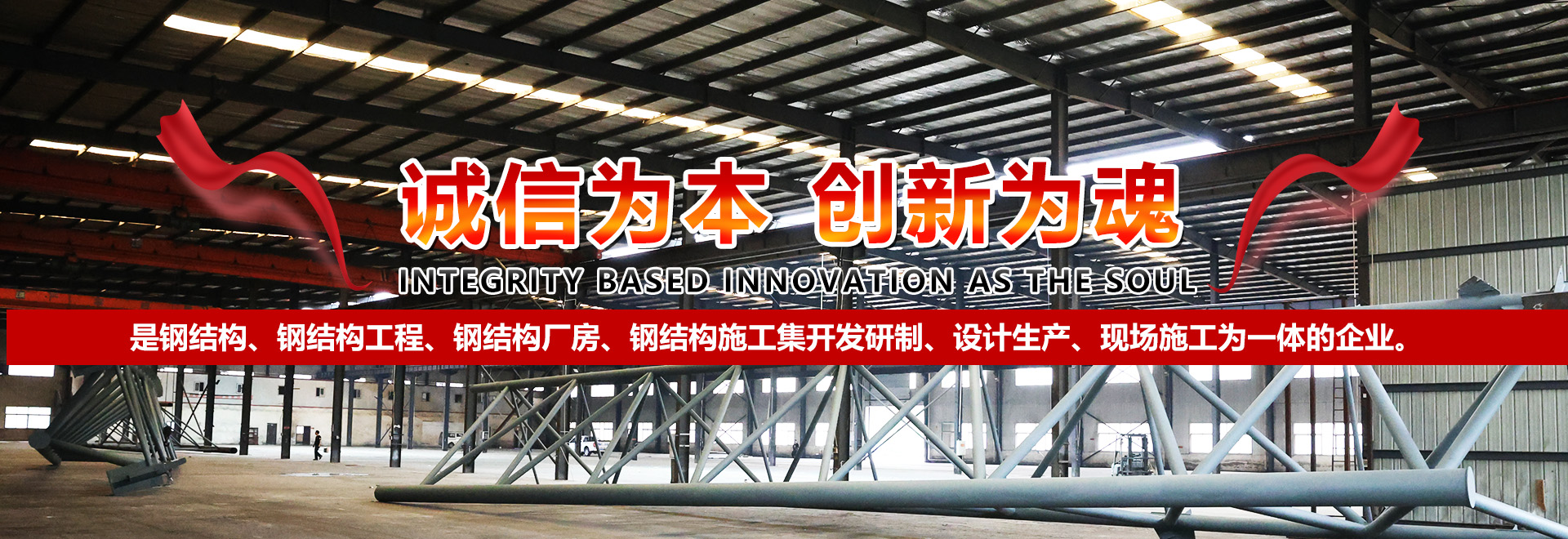
Structural steel is widely used in industrial buildings, which encompass facilities dedicated to production, processing, manufacturing, and warehousing, among other industrial activities. These buildings require high space utilization and load-bearing capacity, making structural steel an ideal choice. For instance, large industrial structures such as steel mills, power plants, chemical factories, and automotive factories commonly employ structural steel. The benefits of using structural steel in automotive manufacturing plants, particularly in assembly halls, include their high ceiling heights, which facilitate the installation of automated equipment, as well as their ability to withstand the weight and vibration of equipment on the production line.
