

Below, we introduce the method for the rational stacking of H-shaped steel.
1. Understanding the standard of stacking involves doing so safely, categorizing and stacking according to specifications. Different types of H-shaped steel must be separated for stacking to prevent mixing and mutual corrosion.
2. Additionally, we prevent items that have corrosive effects on steel from being stored near the stacks.
3. Angle and channel steel should be stacked flat, with the opening facing down. I-beams should be placed upright, and the groove side of the steel should not face up to prevent water accumulation and rust.
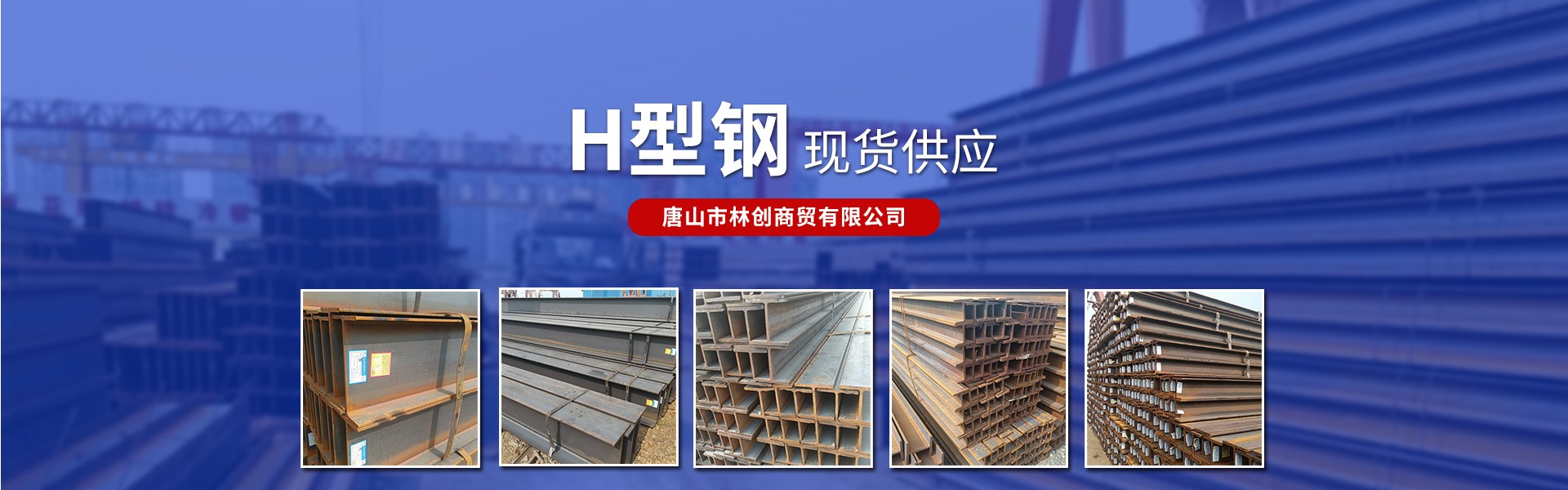
4. Pile materials with elevated, stable, and flat bases; if stored in a shed on sunny concrete ground, elevate by 0.1m; if on clay ground, elevate by 0.2 to 0.5m. Stack identical materials in the order of their arrival for easy implementation of the "first in, first out" principle.
5. The H-shaped steel stacked outdoors has wooden pads or flagstones beneath it, with the pile slightly tilted for drainage. Attention is given to placing the materials flat and straight, leaving sufficient pathways between piles. The standard viewing path is typically 0.5 meters wide, while the width of the access and egress paths depends on the nature of the materials and the transport equipment.
