



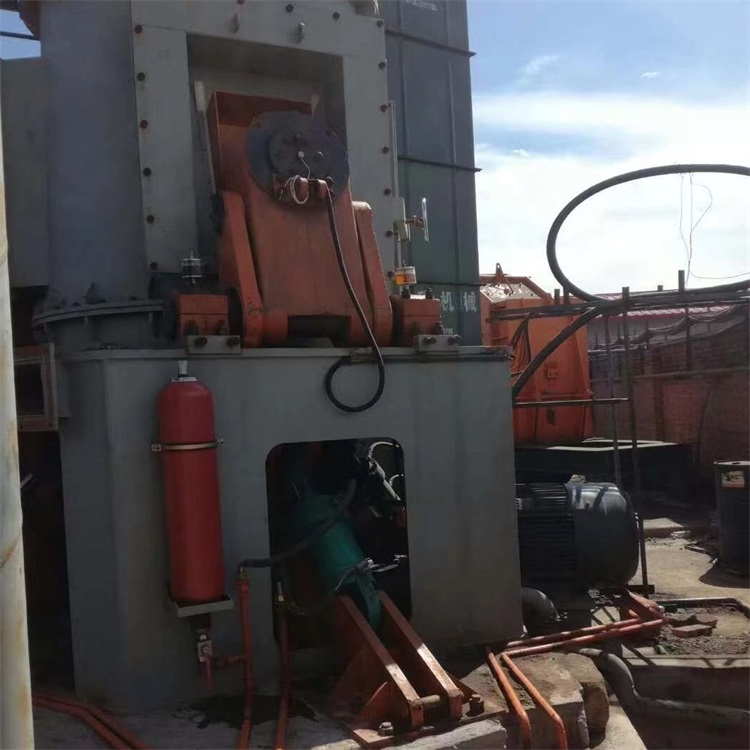
Vertical mill application:
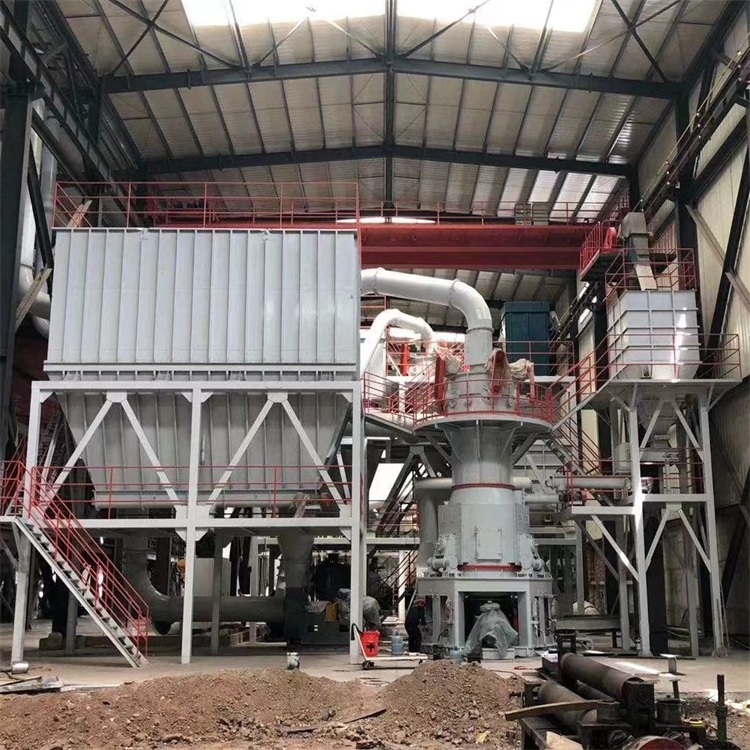
Vertical grinding mill is a new high-efficiency energy-saving powder grinding equipment with wide applications, suitable for industries such as cement, power, chemical, and non-metallic mineral resources. It is particularly suitable for grinding black raw materials in cement plants and preparing raw materials for white cement factories. With its high efficiency, low electricity consumption, large drying capacity, easily adjustable product fineness, uniform particle size, easy-to-control chemical composition, low noise, minimal metal wear, dust-free operation, simple system process flow, small land occupation, and cost-effectiveness, it has been widely used in the cement and non-metallic mineral industries both domestically and internationally.
Main Structure and Functions:
The RHM and PRM vertical mills are mainly composed of separators, grinding rollers, grinding disks, pressure devices, reducers, electric motors, and casings, etc.
The separator is a crucial component determining the fineness of the product, consisting of a variable-speed transmission, wheels, air guide vanes, housing, coarse powder discharge cone, and exhaust outlet, similar in working principle to the classifier.
The grinding rolls are the main components used for crushing and grinding materials. Inside the mill, there are two pairs of grinding rolls, each pair mounted on the same shaft and rotating at different speeds.
The millstone is mounted on the output shaft of the reducer, with the upper part serving as the material bed, featuring annular grooves on it.
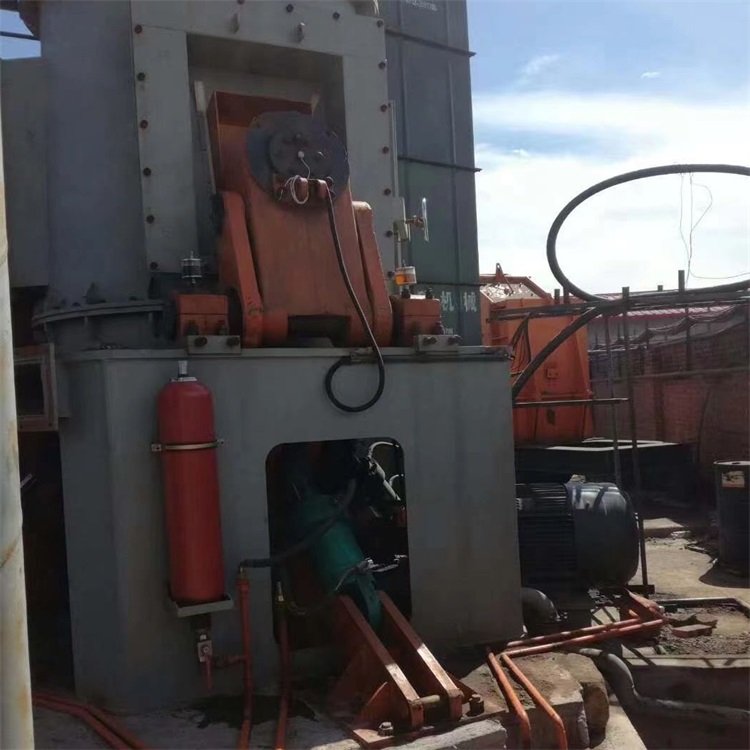
The pressure unit is a component that provides grinding pressure, consisting of a high-pressure oil station, hydraulic cylinder rod, accumulator, etc., capable of exerting sufficient pressure on the grinding roller to crush the material.
The reducer not only transmits power but also bears the weight and grinding force of the millstone.
Operating Principle:
The motor drives the grinding wheel through a reducer, while hot air enters the mill from the inlet. Material falls onto the center of the grinding wheel from the feed opening, and due to centrifugal force, it moves towards the edge of the wheel. As it passes through the annular grooves on the wheel, it is crushed by the roller and continues moving towards the edge until it is picked up by the air flow at the wind ring. Larger particles fall back onto the wheel for re-grinding. As the material travels through the air flow, it passes through a separator where, under the action of guide vanes and the rotor, coarse material falls back onto the wheel, while fine powder is carried out with the air flow, collected in the dust collection system of the system, which is the final product. The material is dried during contact with the gas to achieve the required product moisture content. By adjusting the angle of the guide vanes and the speed of the separator rotor, products of different fineness can be obtained.
Features:
Compared to ball mills, vertical mills have the following features:
1. High powder grinding efficiency; vertical mills utilize the powder bed grinding principle for material grinding, featuring low energy consumption. The electrical energy consumption of the grinding system is 20-30% lower than that of ball mills, and the energy-saving effect becomes even more pronounced with the increase in raw material moisture content.
2. High drying capacity; vertical mills use gas conveyance for material, allowing control of the inlet air temperature when processing materials with high moisture content. This ensures the product reaches the required moisture level. Inside the vertical mill, it can dry materials with up to 12-15% moisture content, whereas ball mills can only dry materials to around -4% moisture.
3. The product's chemical composition is stable, with evenly distributed particle sizes. Since the material only stays in the vertical mill for 2-3 minutes, compared to 15-20 minutes in a ball mill, the chemical composition of the product produced by the vertical mill can be quickly measured and corrected. The fluctuation in chemical composition is minimal, which is beneficial for homogenization. Moreover, qualified products in the vertical mill can be separated out in a timely manner, avoiding over-grinding. The fineness of the product can be rapidly adjusted by changing the speed of the separation rotor, resulting in a uniform particle size, which is advantageous for calcination.
4. Simple process flow, small building area, minimal space occupancy. The vertical mill is equipped with a separator, eliminating the need for a sifter and elevator. The dusty gas exiting the mill can be directly fed into a dust collector or a cyclone separator, where it is collected as the final product. Thus, the process is straightforward, the layout is compact, and the building area is only 50-60% of that required for a ball mill system.
5. Low noise, minimal dust, and a clean operating environment. The vertical mill operates without direct contact between the grinding roller and the grinding disc, eliminating the metallic impact sounds of steel balls colliding with each other or with the lining plates found in ball mills. Due to the reduced noise, it is approximately 20-25 decibels quieter than a ball mill. Additionally, the vertical mill employs a complete seal, and the system operates under negative pressure, resulting in less dust and a cleaner environment.
6. Minimal metal loss and high utilization rates; due to no direct metal contact during the vertical mill's operation, wear is reduced. The unit product wear is typically 5-10 grams per ton. For grinding cement raw materials, the life of the roller sleeve and liner is over 8,000 hours, with an operational rate reaching 95%.
7. Cost-effective.
