
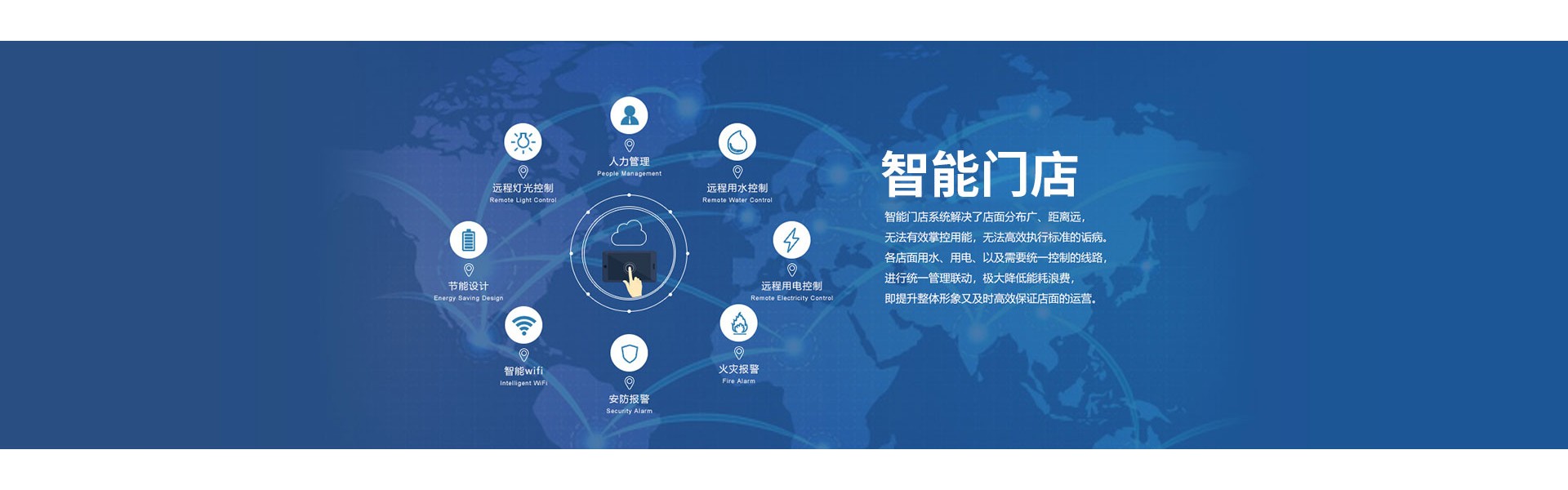
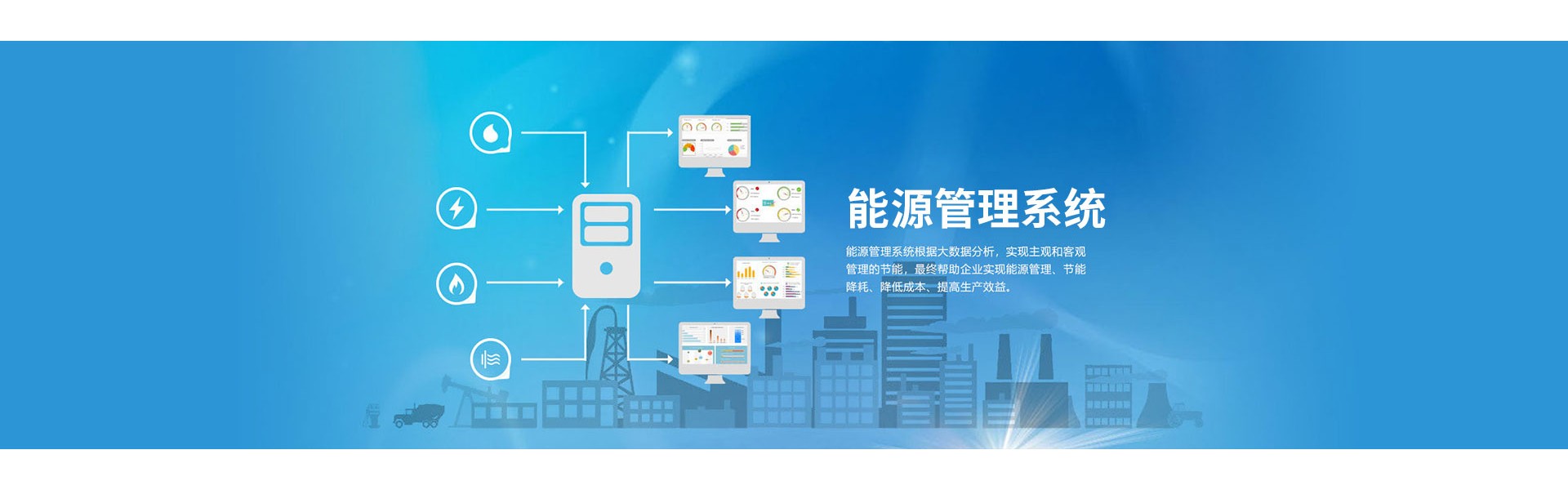

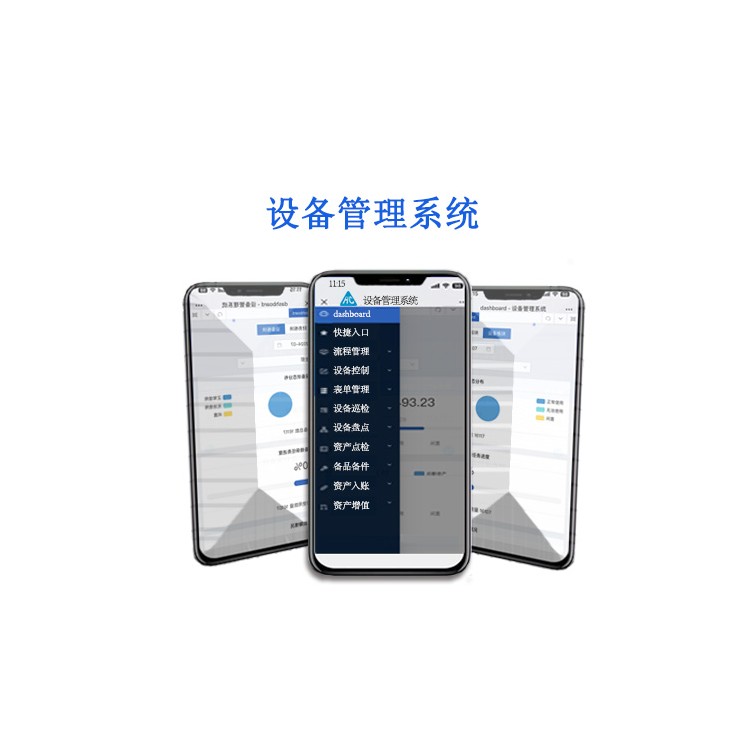
Smart Meter Management System
A modern energy management tool, it leverages advanced communication and information technology to remotely, automatically collect and analyze various instrument data. Below is a detailed explanation of the remote meter reading management system.:
1. System Definition and Background
The Remote Meter Reading Management System is an advanced electricity metering solution that, through IoT technology, achieves real-time collection, transmission, and analysis of meter data, thereby replacing the traditional manual meter reading methods. With technological advancement, this system has played a crucial role in enhancing efficiency, reducing costs, and optimizing energy management, particularly in large commercial facilities, public buildings, and residential areas, where it has been widely applied.
2. System Architecture and Features
The Remote Meter Reading Management System is primarily composed of three parts: the monitoring terminal, the communication network, and the data core. The monitoring terminal is responsible for real-time collection of meter data, which is then transmitted to the data core via the communication network. The data core processes, analyzes, and stores the received data, generates reports, and sends them to the management personnel for decision-making support.
3. The system features the following capabilities::
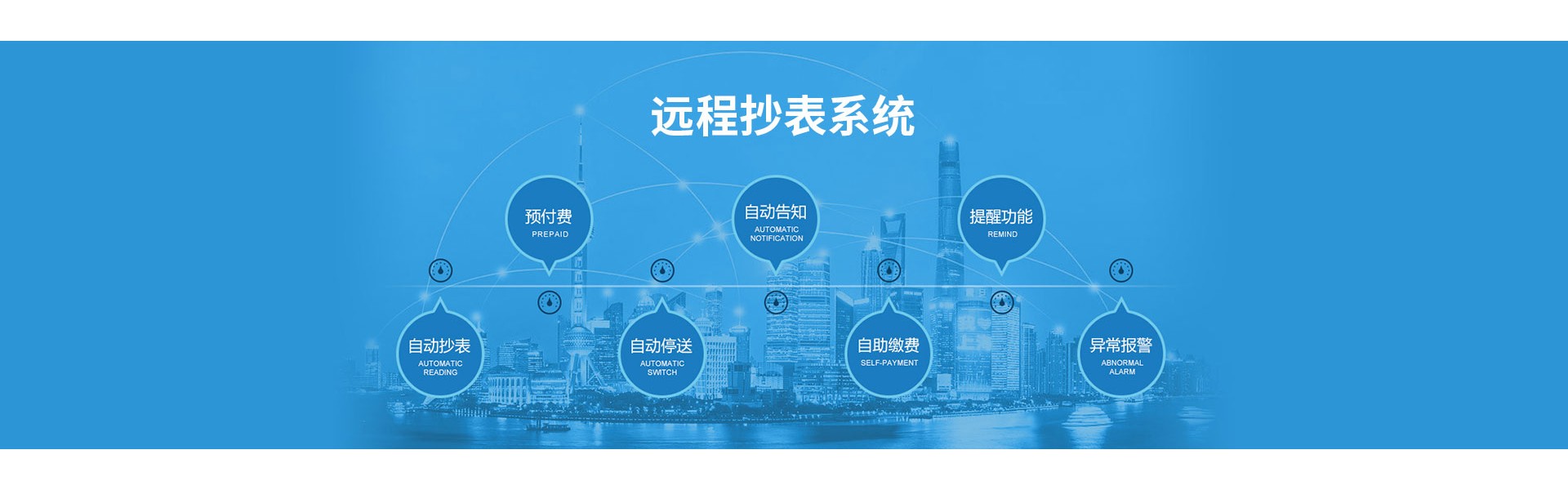
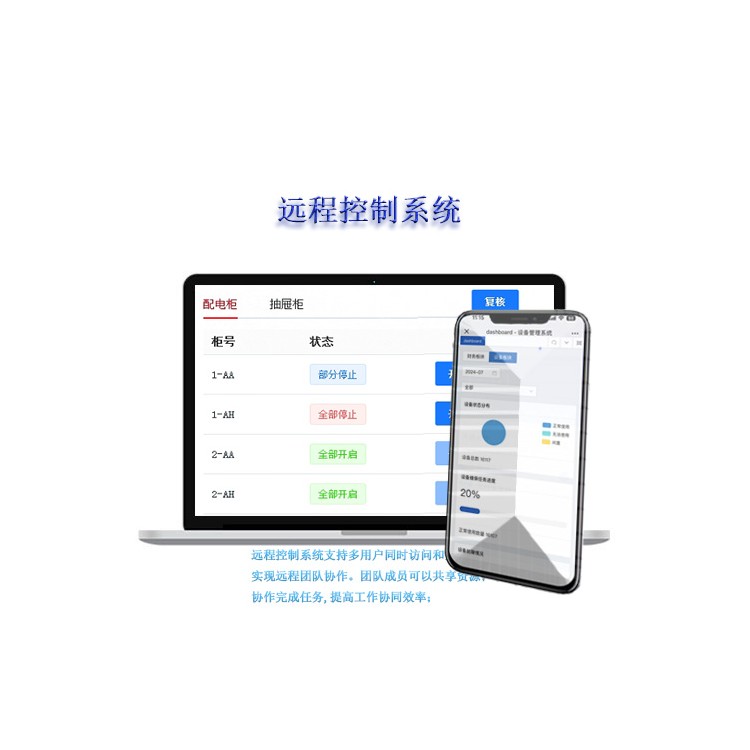
3.1. Real-time Monitoring: Capable of monitoring water, electricity, or gas usage in real-time or on a schedule, with data presented in an illustrative manner.
3.2. Smart Meter Reading: Automatically completes meter reading tasks, minimizes human intervention, and enhances the timeliness and accuracy of electricity metering.
3.3. Data Management: View and manage real-time data, historical records, and related report data; supports data printing and export
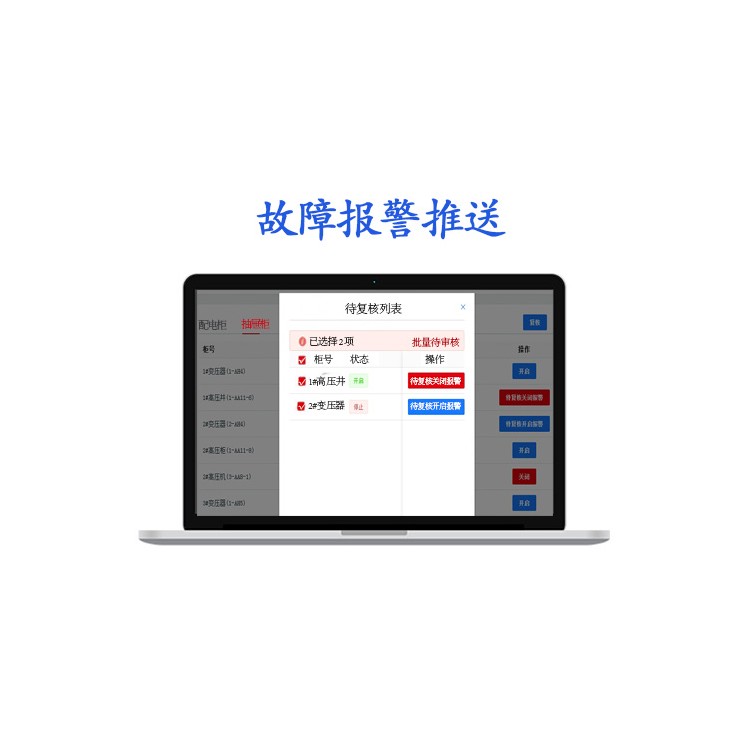
3.4. Fault Alarm: The system will automatically trigger an alarm when there is a malfunction in the measuring equipment or when there is an abnormal usage of water, electricity, or gas, reminding the management personnel to handle it promptly.
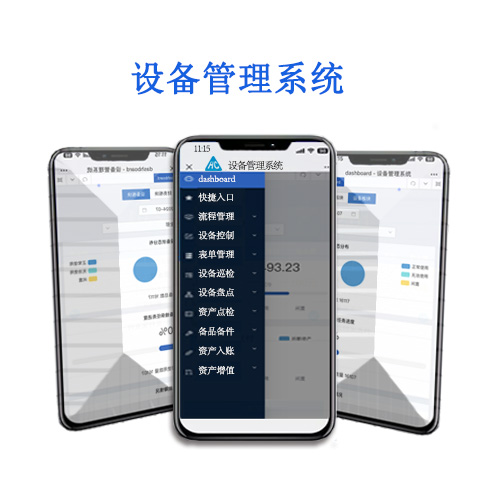
3.5. Permission Management: Administer and set the main parameters of various systems, while also implementing user permission management and external data interface management.
4. System Advantages and Application Scenarios
Smart Meter Reading Management SystemBoasts numerous advantages, such as high efficiency and accuracy, resource conservation, safety, and reliability. Widely applied in various fields like the energy industry, property management, and agriculture, it has achieved fine management of energy use, enhanced the efficiency and convenience of property management, and also provided solutions for water monitoring and statistics in agricultural scenarios such as irrigation and aquaculture.
