




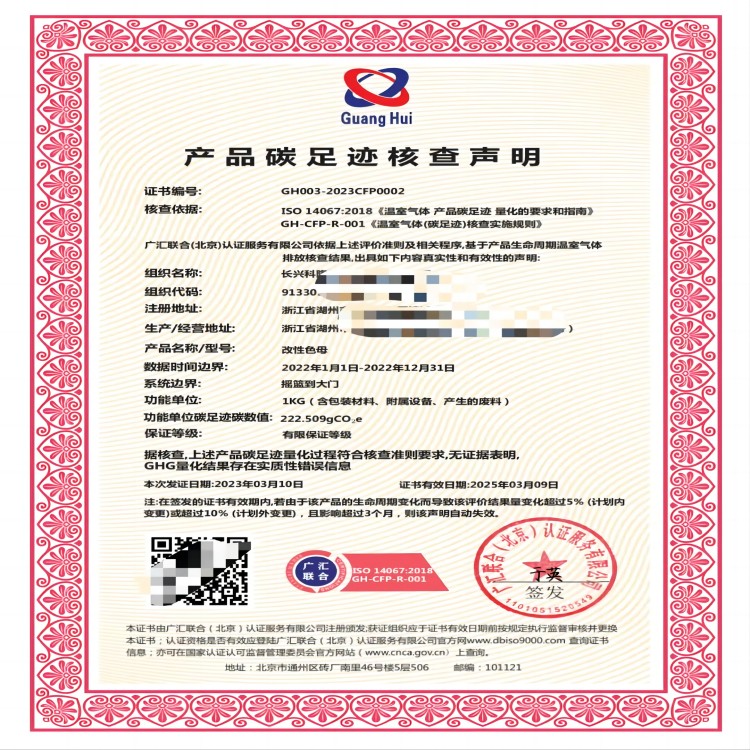
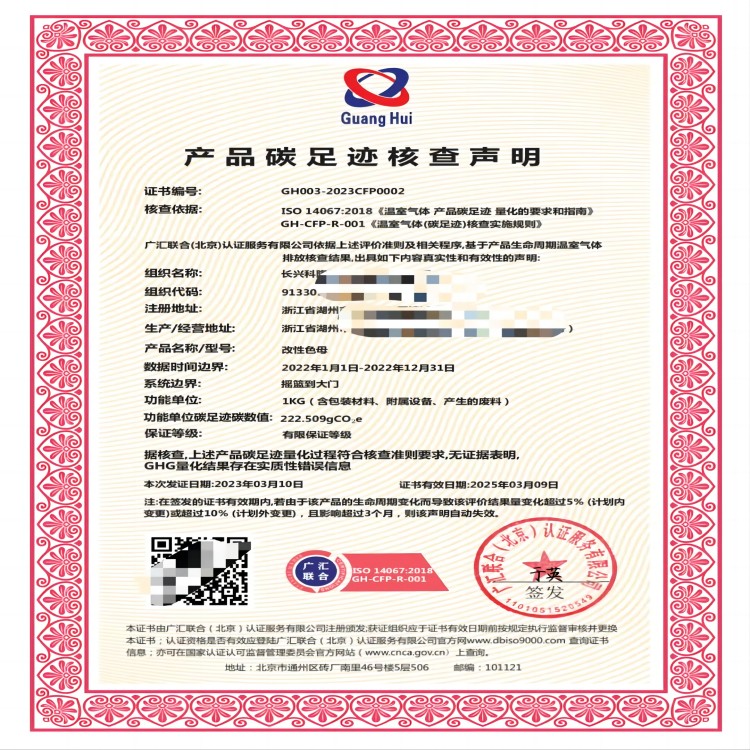
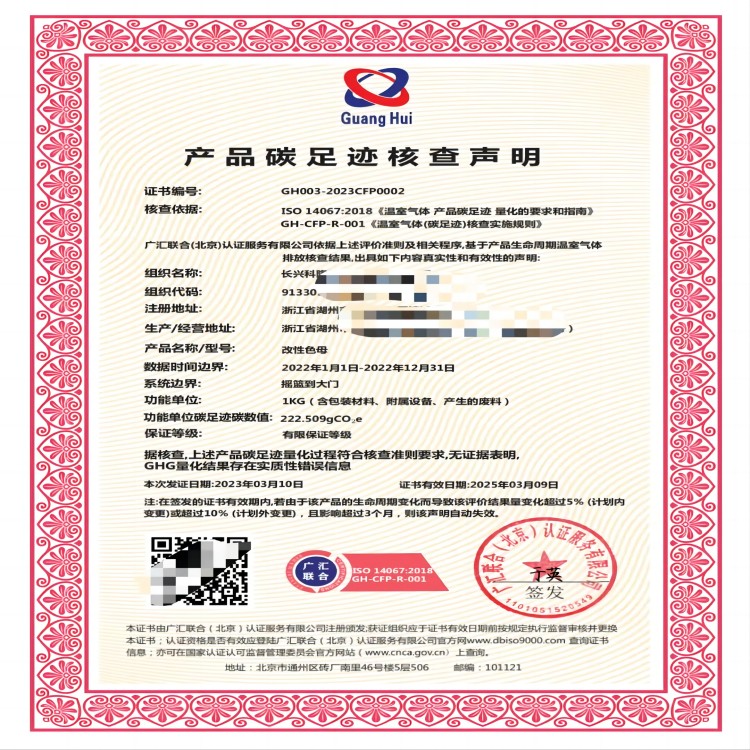
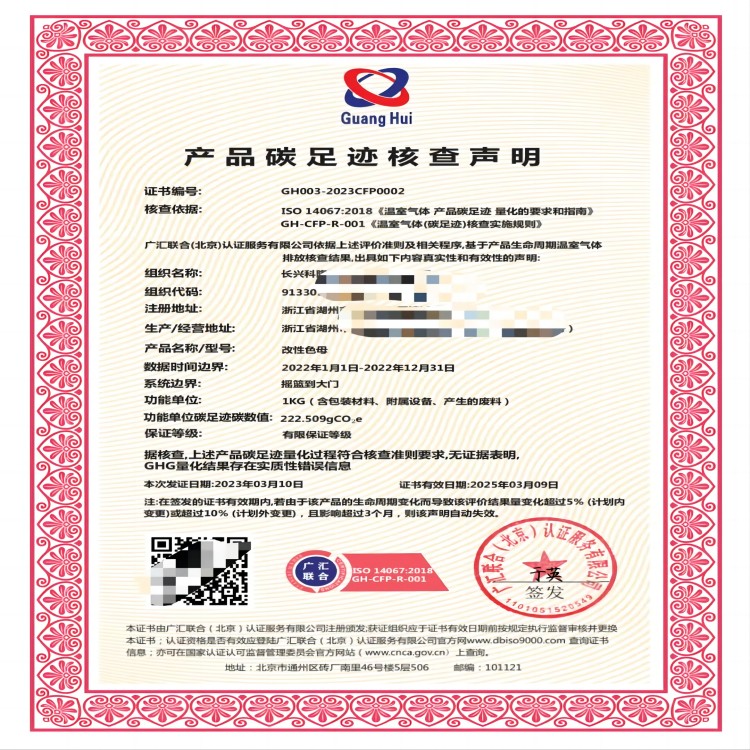
Carbon emission management systems should be controlled and managed based on "electric power energy." Institutions identify the elements of electric power energy, clarify actual energy tasks and targets, and establish a carbon emission management system to reduce energy consumption and enhance energy efficiency. Therefore, the carbon emission management system primarily identifies electric power energy elements through "events, products, and services," and determines relevant management regulations by focusing on "the entire process of technology implementation and the energy consumption formed by reducing external impacts."
1. Persistent process control: Both energy consumption reduction and energy efficiency enhancement are demonstrated in the technical implementation and actions provided by users. The standardized carbon emission management system should pay more attention to the regulations for the entire process control.
2. Implement the PDCA cycle system: Apply the PDCA framework across all levels of the organization to define activities such as identifying power and energy elements, designing target indicators and management plans, and conducting work control, regular inspections, and management reviews. This aims to maintain and continuously improve the level of power and energy management processes.
3. Fully integrate the characteristics of electrical energy management: Reflect the features of electrical energy management in various related requirements of the carbon emission management system. Strive to align with China's current energy management system methods while integrating it with electricity energy diagnosis, comprehensive energy consumption calculation, and energy saving calculation.
4. Abundant reference to existing management system standards: The carbon emission management system adheres to the conventions, trends, and general requirements of management system standards. It refers to the development philosophy and methods of widely applied international management system standards such as ISO9001, ISO14001, and ISO27001, and is compatible with international driving management models in terms of standard framework, relevant descriptions, and requirements.
Summarize the carbon emissions management system, which is a quality management system that applies the overall framework, basic principles, and methods of the national standard ISO 14001, primarily aiming to enhance energy efficiency through energy conservation and consumption reduction. It mainly includes relevant information such as work deployment, job responsibilities, implementation and operation, inspection and correction, and management review.
With the establishment of a carbon emissions management system, it can assist companies in conducting lifecycle carbon emissions-related activities, mitigate the risks of carbon tariffs in import and export trade, contribute to the goal of slowing climate change, and enhance the competitiveness of enterprises.
The Carbon Emission Management System Certification is valid for three years, with annual supervision conducted to review the consumption volume, overall carbon emission targets, and performance assessment of carbon emissions from the previous year.
