




Section 1: Operation Principle
Material Loading
Material flows into the feeding hopper from the entry point.
2. Enhancement Process:
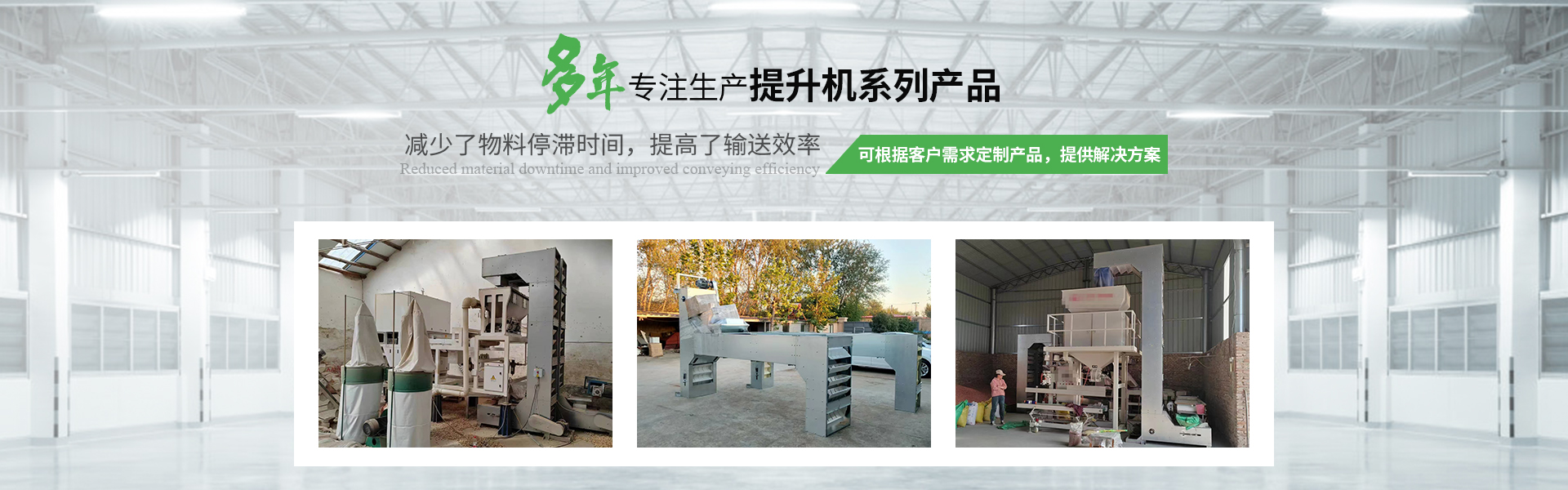
The hopper is pulled along the zigzag path of the hoist by a chain.
- This path design allows for the material to first move horizontally, then vertically lift, followed by another horizontal movement, forming a zigzag trajectory.
3. Reverse Discharge
- As the hopper reaches the discharge opening, it is inverted downward by the unloading device.
Materials are poured into the receiving container or the next process step through the discharge outlet.
- The unloading process can be single-point or multi-point, but multi-point unloading does not occur simultaneously.
4. Return Process:
- The empty bin then continues to move along the other side of the Z-shaped path, returning to the starting point to prepare for another material load.
Section II: Application Fields
The Z-shaped bucket elevator is widely used across various industries, due to its high space utilization and gentle handling of materials, including but not limited to:
Food Industry:
- Designed to enhance powders and granular food products, such as nuts, salt, candies, and frozen foods.
- Can be paired with a vibration feeding machine and packaging machine to complete the continuous operation of the production line.
2. Chemical Industry:
- Designed to enhance powdered and granular chemical raw materials, such as plastic pellets and chemical additives.
- Enhanced for non-stick materials.
3. Pharmaceutical Industry:
- Used for enhancing pharmaceutical powders, granulated drugs, traditional Chinese medicine powder tablets, etc.
- Suitable for applications requiring gentle handling of materials.
Agriculture and Mineral Resources Industry:
- For enhancing seeds, feed, ore pellets, and more.
5. Metallurgical Manufacturing Industry
- For enhancing metal powders, small pieces of metal, and other materials.
III. Summary
The Z-shaped bucket elevator, with its unique Z-shaped path design, allows for material lifting within limited spaces while minimizing material damage during the lifting process. This equipment is particularly suitable for applications requiring both vertical and horizontal movement.
Material handling applications for combined conveyance, widely used across various industries, have become an indispensable and essential piece of equipment in modern production processes.
