

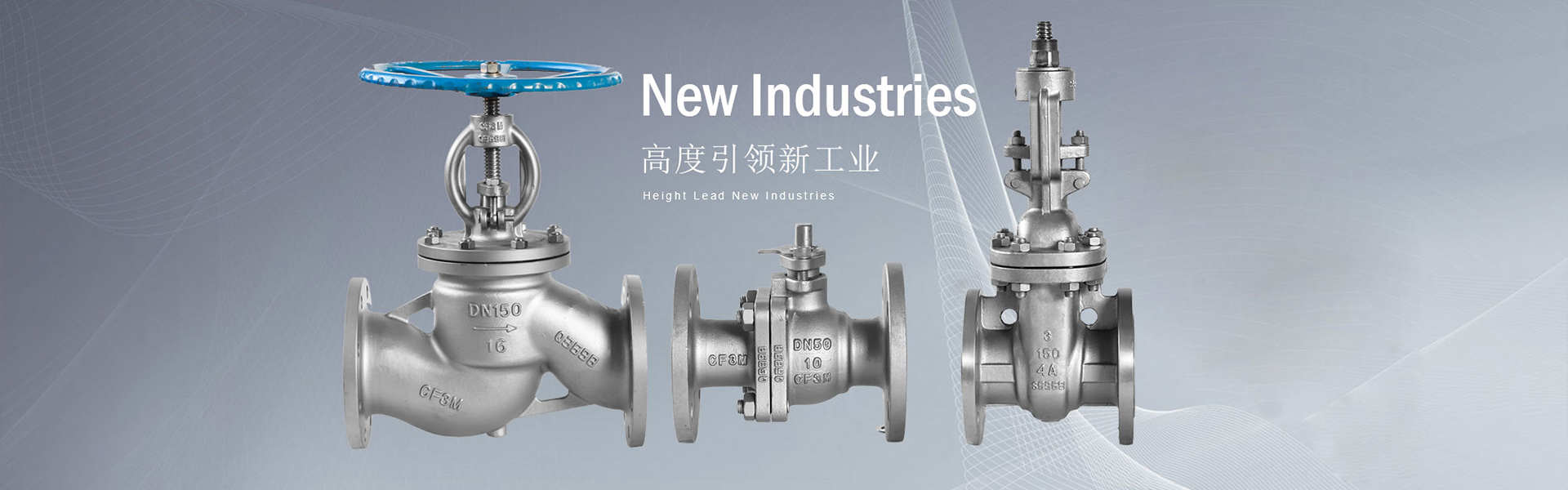

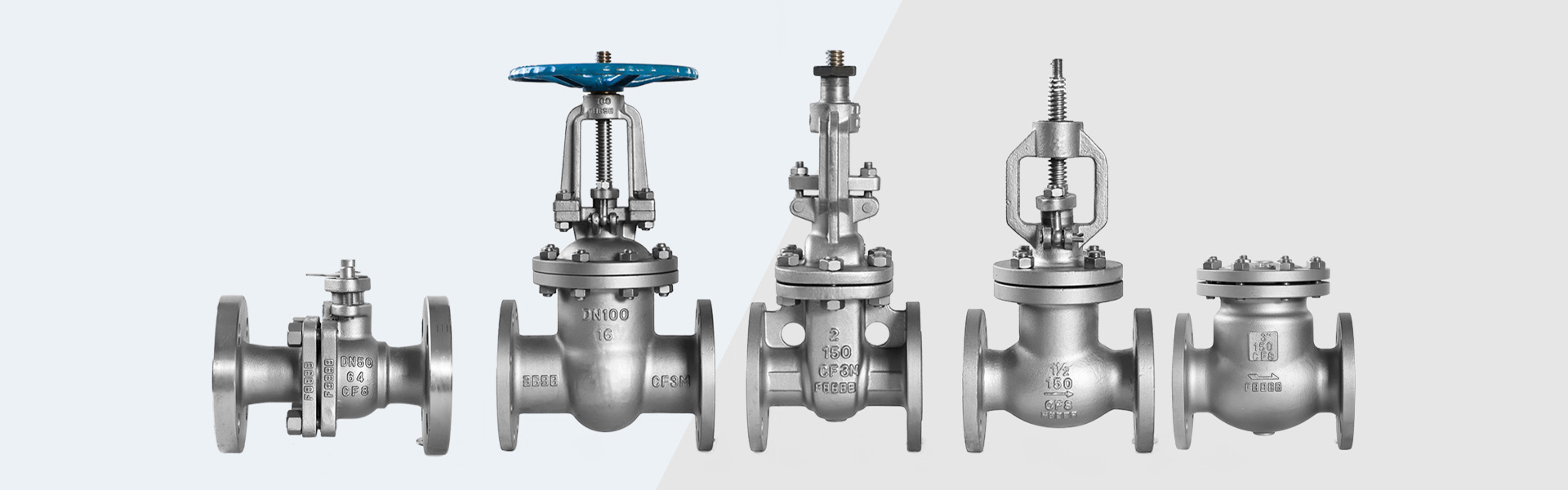

In modern industrial fluid control systems, stainless steel ball valves have become the preferred control components for numerous engineers and users due to their design and performance. Their core advantages lie in their ease of operation and low maintenance costs.90Quick and accurate opening or closing can be achieved with a simple degree rotation, greatly enhancing work efficiency, while also streamlining maintenance procedures and reducing long-term operational costs.
The core design of the stainless steel ball valve lies in its spherical structure, when the valve handle or actuator is turned90At this moment, the spherical orifice aligns with or is perpendicular to the valve body channel, thereby ensuring unobstructed fluid flow or complete closure. This straightforward operation method not only reduces the labor intensity for operators but also significantly shortens reaction time, which is particularly crucial for operating conditions that require frequent switching.
In terms of maintenance, the use of stainless steel material significantly enhances the valve's corrosion and wear resistance, maintaining optimal performance even in harsh working conditions. Compared to valves made of other materials, stainless steel ball valves exhibit less wear on the sealing surface, resulting in a longer service life and reduced frequency of replacement and maintenance costs. Their compact structural design facilitates inspection and cleaning, and the simple disassembly and assembly process makes maintenance quick and effortless.
In addition, the stainless steel ball valve boasts excellent adaptability, widely applicable to various media such as water, oil, and gas, as well as high-temperature and high-pressure conditions. Its bidirectional flow characteristic further meets the demand for multi-directional fluid control, enhancing the flexibility of use.
In summary, the stainless steel ball valve boasts its...90The quick and convenient operation of the quick-acting, 360-degree rotation valve has emerged as a rapid solution in the industrial fluid control field, serving a wide range of industries including oil, chemicals, and food processing. It provides robust support for production automation and economic benefit enhancement, with its low maintenance costs and long service life.
