

I. Basic Composition
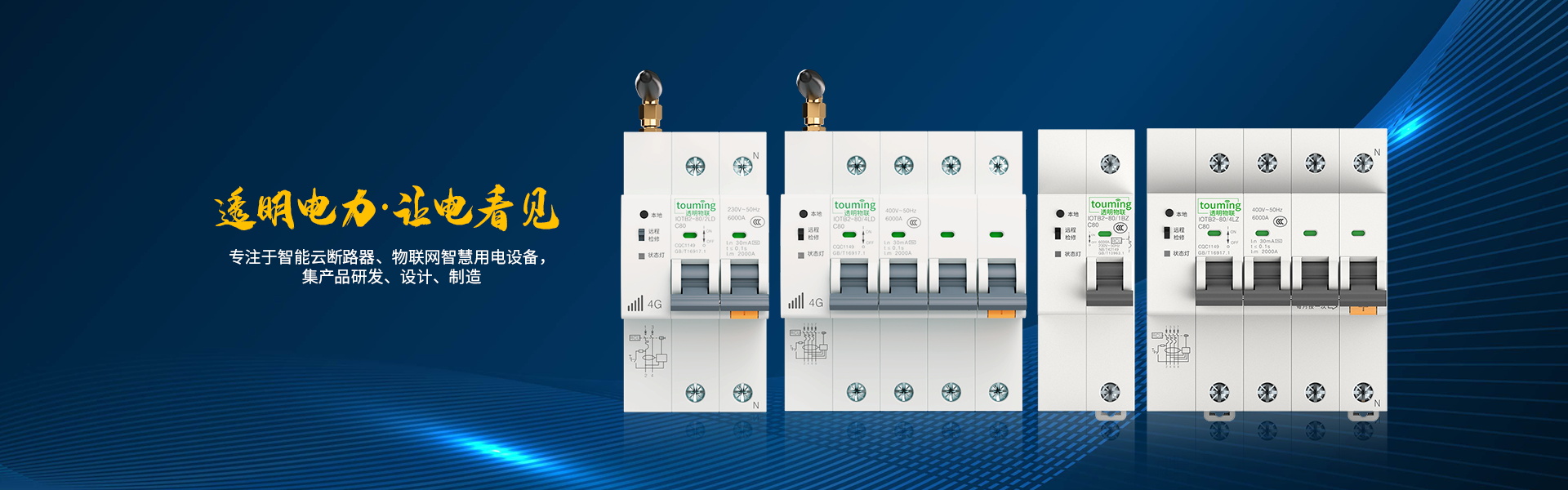
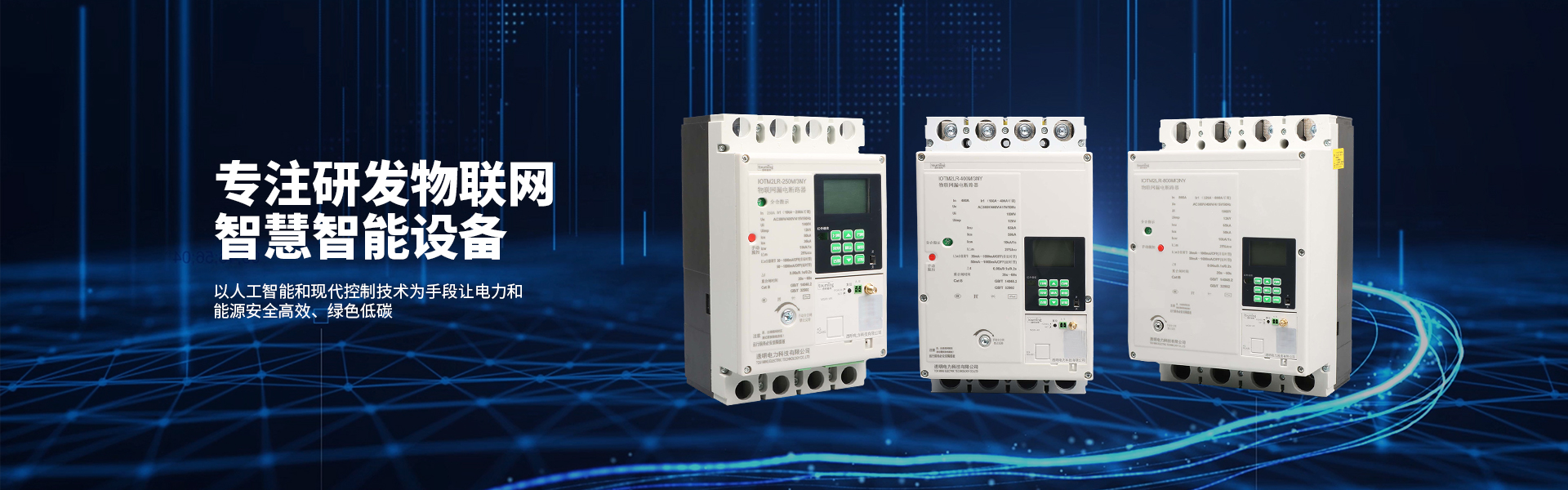
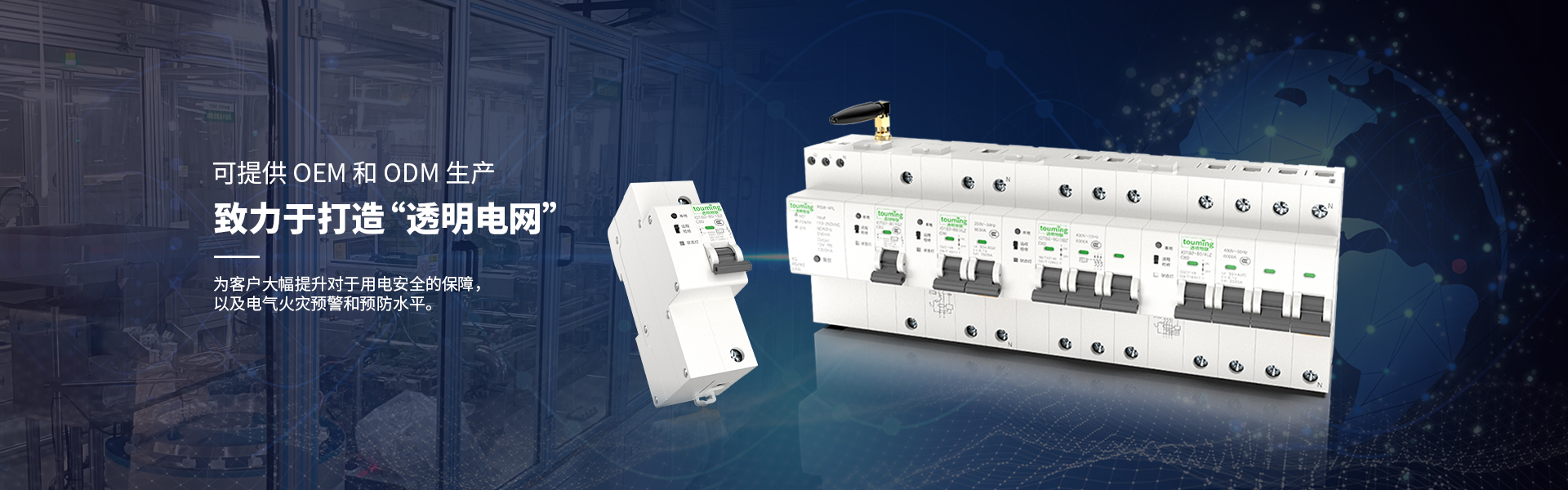
The IoT circuit breaker is composed of two parts: the electrical control unit and the network communication module. The electrical control unit consists of the main control chip, power module, trigger protection module, power switch module, and current detection module. The network communication module enables connectivity to the internet and data transmission functions.
Section II: Working Principle
The working principle of an IoT circuit breaker is as follows: Sensor Detection: IoT circuit breakers are equipped with various sensors, such as current sensors, voltage sensors, and temperature sensors, among others. These sensors can monitor the working status of the circuit in real-time, including the magnitude of current, stability of voltage, and changes in temperature.
Data Transmission: The IoT circuit breaker can transmit collected circuit information to the cloud platform via wireless communication technologies such as Wi-Fi, Bluetooth, and Zigbee. It can also receive instructions from the cloud platform, such as remotely switching the circuit breaker or adjusting the current size.
Cloud Platform Processing: The IoT circuit breaker sends collected circuit data to the cloud platform for processing and analysis. The cloud platform can store, query, and analyze the data, helping users understand the usage and health status of the circuits.
Remote Control: Users can connect to the cloud platform via smartphones, computers, or other smart terminal devices to remotely control IoT circuit breakers. They can turn the circuit breakers on or off, adjust the current size, and remotely control the circuit at any time and place.
The applications of IoT circuit breakers include: Home circuit protection – IoT circuit breakers can monitor home circuit current and voltage in real-time. In the event of overloads or short circuits, they automatically disconnect the circuit, ensuring the safety of household appliances.
Industrial Equipment Monitoring: IoT circuit breakers can be used to monitor factory power equipment, providing real-time detection of current and temperature changes, enabling the timely identification of equipment malfunctions, and ensuring the safety and stability of industrial production.
Public Facility Management: IoT circuit breakers can be applied to power management in public buildings, malls, parking lots, and other locations, enabling real-time monitoring of electricity usage, remote control of devices, and reducing energy consumption.
Smart Energy Management: IoT circuit breakers can be integrated with smart meters, solar power generation systems, and more, enabling precise energy measurement and optimized management to enhance energy efficiency. With IoT circuit breakers, users can achieve intelligent circuit management, remote monitoring, and control, improving the reliability and safety of the power system. They also facilitate and support energy conservation and emission reduction.
