
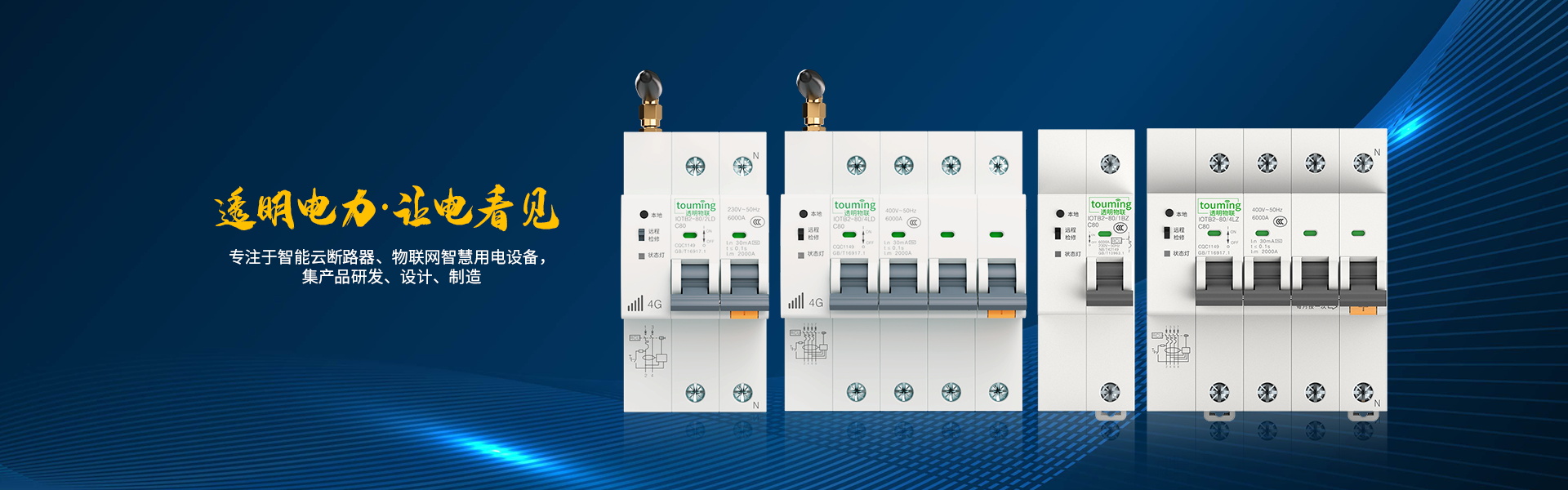
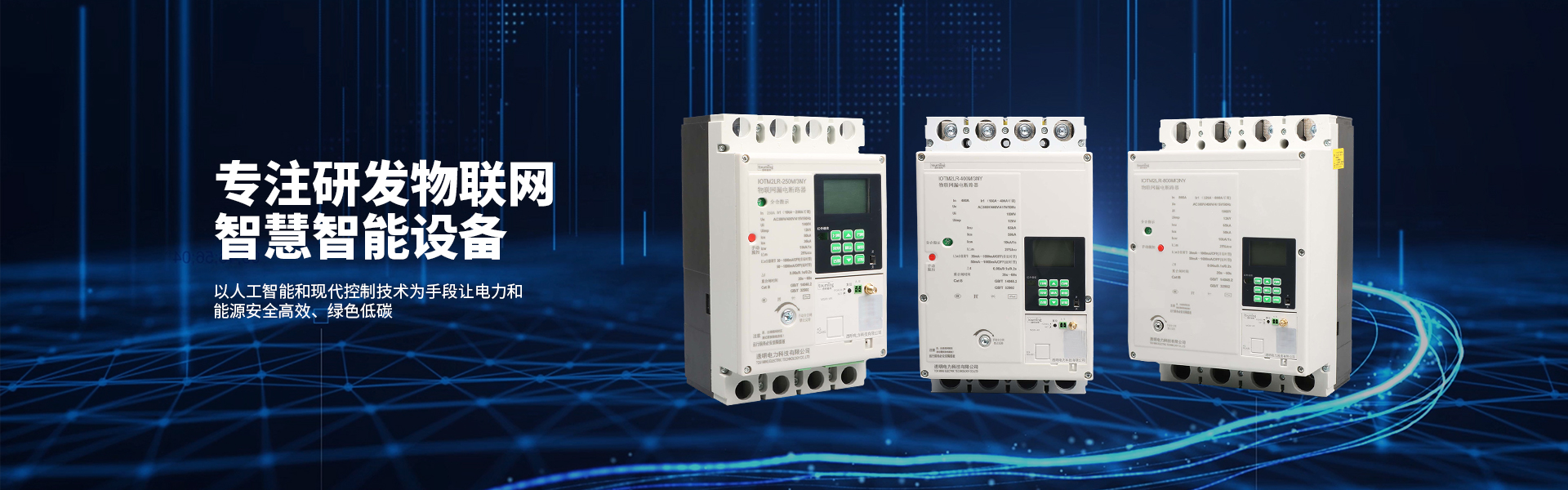
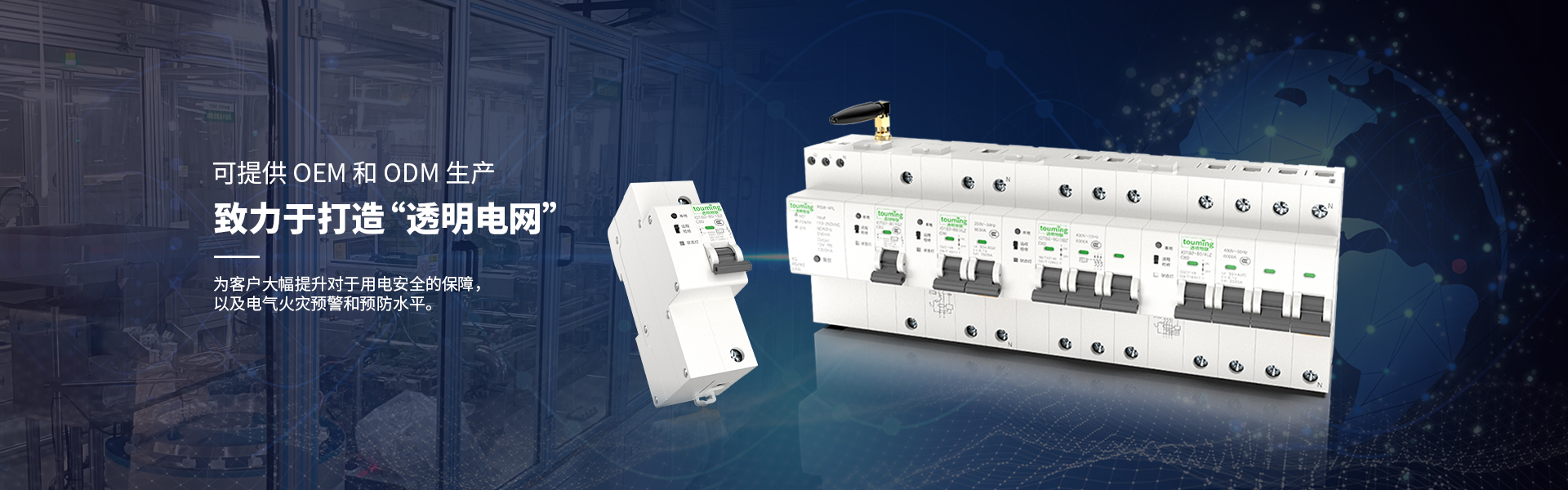

An IoT circuit breaker is a device capable of remote monitoring and control via IoT technology. It can connect to the internet and facilitate remote interactions with other devices or systems through wireless communication. The main features and advantages of IoT circuit breakers include:
Remote Monitoring and Management: IoT circuit breakers can be connected to cloud platforms via the internet, enabling real-time monitoring and remote management of power systems. Users can monitor and control the status of the circuit breakers, such as current, voltage, and leakage, at any time and from anywhere using mobile phones, computers, and other terminal devices.
Anomaly Alarm & Fault Diagnosis: The IoT circuit breaker can monitor the working status of the power system in real-time. In the event of anomalies, such as overcurrent or short circuits, it can promptly issue alarms and send notifications to users. Additionally, it can perform fault diagnosis, helping users quickly detect and resolve issues.
Process Control and Regulation: Users can remotely operate and control the IoT circuit breaker, such as remotely switching the circuit breaker and adjusting the size of the current. This allows users to conveniently manage the power system, enhancing the flexibility and convenience of power usage.
Data Analytics and Optimization: Internet of Things circuit breakers can collect and store vast amounts of power data, which is then analyzed and processed on cloud platforms. By analyzing power system data, users can gain insights into power usage and load demands, enabling optimized energy consumption plans and enhancing energy efficiency and emission reduction. In summary, the application of IoT circuit breakers can make power system monitoring and management more intelligent and convenient. They offer real-time monitoring, remote control, abnormal alerts, fault diagnosis, and more, enhancing the reliability, safety, and energy efficiency of power systems while providing users with a superior power usage experience.
