
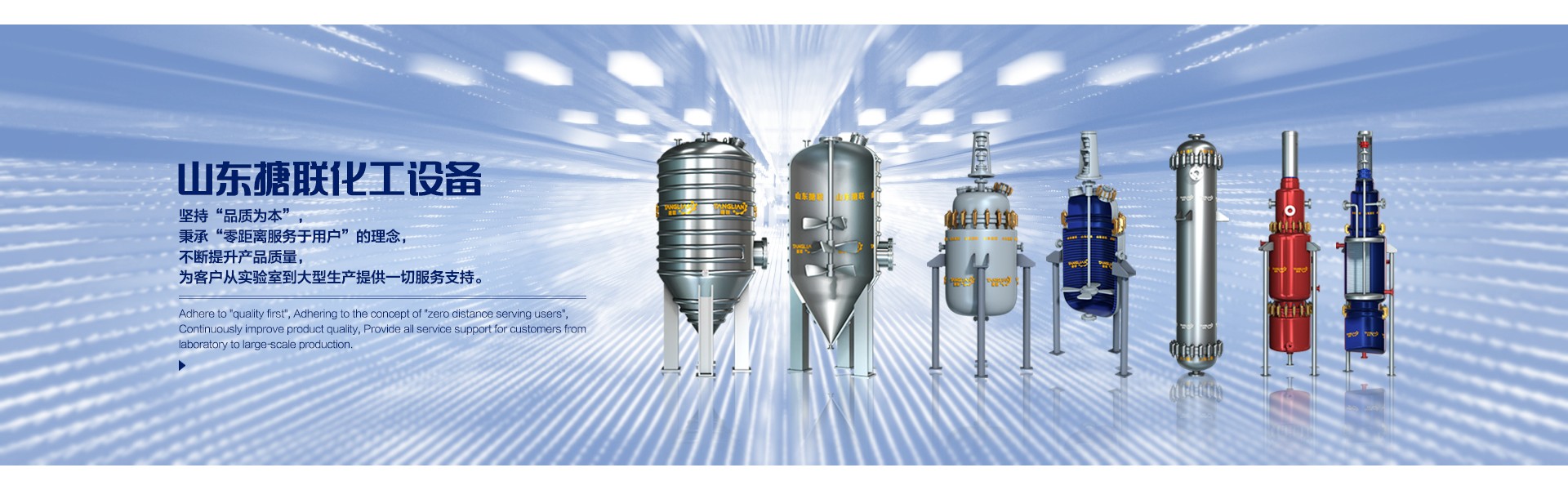
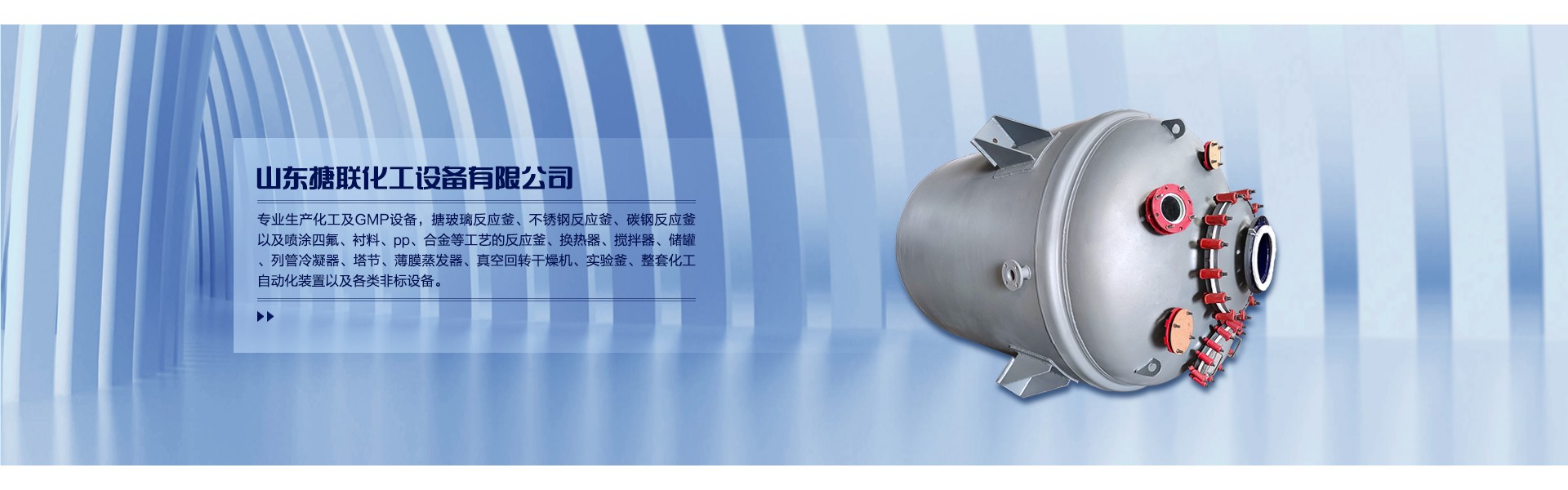

Buffer tanks are essential auxiliary equipment for reciprocating pumps, designed to reduce the unevenness of flow in pipelines, and they come in two types: suction buffer tanks and discharge buffer tanks. These tanks are primarily used to mitigate pressure fluctuations in various systems, ensuring smoother operation. The buffering performance of the tanks is mainly achieved by compressing air within them. Buffer tanks are available in diaphragm and bladder styles and are widely used in water supply systems and central air conditioning systems, among other applications. Direct-contact buffer tanks, also known as atmospheric pressure buffer tanks, are filled with atmospheric pressure gas, where the gas comes into direct contact with the fluid being transported. The gas typically used is air, but for transporting flammable or explosive liquids, inert gases should be used instead. Due to the direct contact between the gas and the fluid, some of the gas may dissolve into the liquid (in higher pressure conditions, the dissolution is greater), and be carried away by the fluid. Therefore, buffer tanks are equipped with gas injection valves or equipment to replenish air or inert gases.

Diaphragm-type buffer tanks, also known as pre-pressurized buffer tanks, utilize a diaphragm to separate gas and liquid. They require the pre-inflation of a specific pressure of gas (air or nitrogen) before operation. Compared to direct-contact buffer tanks, diaphragm-type tanks are smaller in volume and prevent gas from contacting the liquid, ensuring the integrity of the liquid being transported. They are widely used currently.
Diaphragm buffer tanks are available in two types: single-diaphragm and double-diaphragm. The single-diaphragm tank is made of materials like stainless steel, PVDF, and rubber; while the double-diaphragm tank is commonly used in situations where metal diaphragms are not suitable, with materials including PVC and glass fiber-reinforced polytetrafluoroethylene.
