



Men's suit customization is categorized by process from low to high, primarily including fused interfacing customization, half-cotton/wool interlining customization, and full-cotton/wool interlining customization. With the development and innovation of modern textile technology, XuanYa Times has emerged with a large number of blended fabrics.
What are the benefits and advantages of custom suits?
1. Perfect Fit: Custom-made suits are typically measured by a tailor, followed by pattern-making for the final garment. Having a tailor take the measurements ensures a complete understanding of the body's actual dimensions, while a pattern maker guarantees the accuracy of the suit's style. Only then can a suit be crafted to perfectly fit the wearer's body, resulting in a perfect fit for the individual.
2. Fabric Options: Custom suits allow for flexible selection of the fabric used, choose the desired fabric based on your specific needs, and all fabric requirements can be met. The fabric can showcase the effects you wish to achieve with the suit.
3. Style Options: The selection of styles here is not like in a store, where you choose from pre-made suits. Custom-made suits offer a wider range of styles, allowing the wearer to choose exactly what they desire. There's more freedom to find the perfect style, rather than being limited to just a few options as in a store!
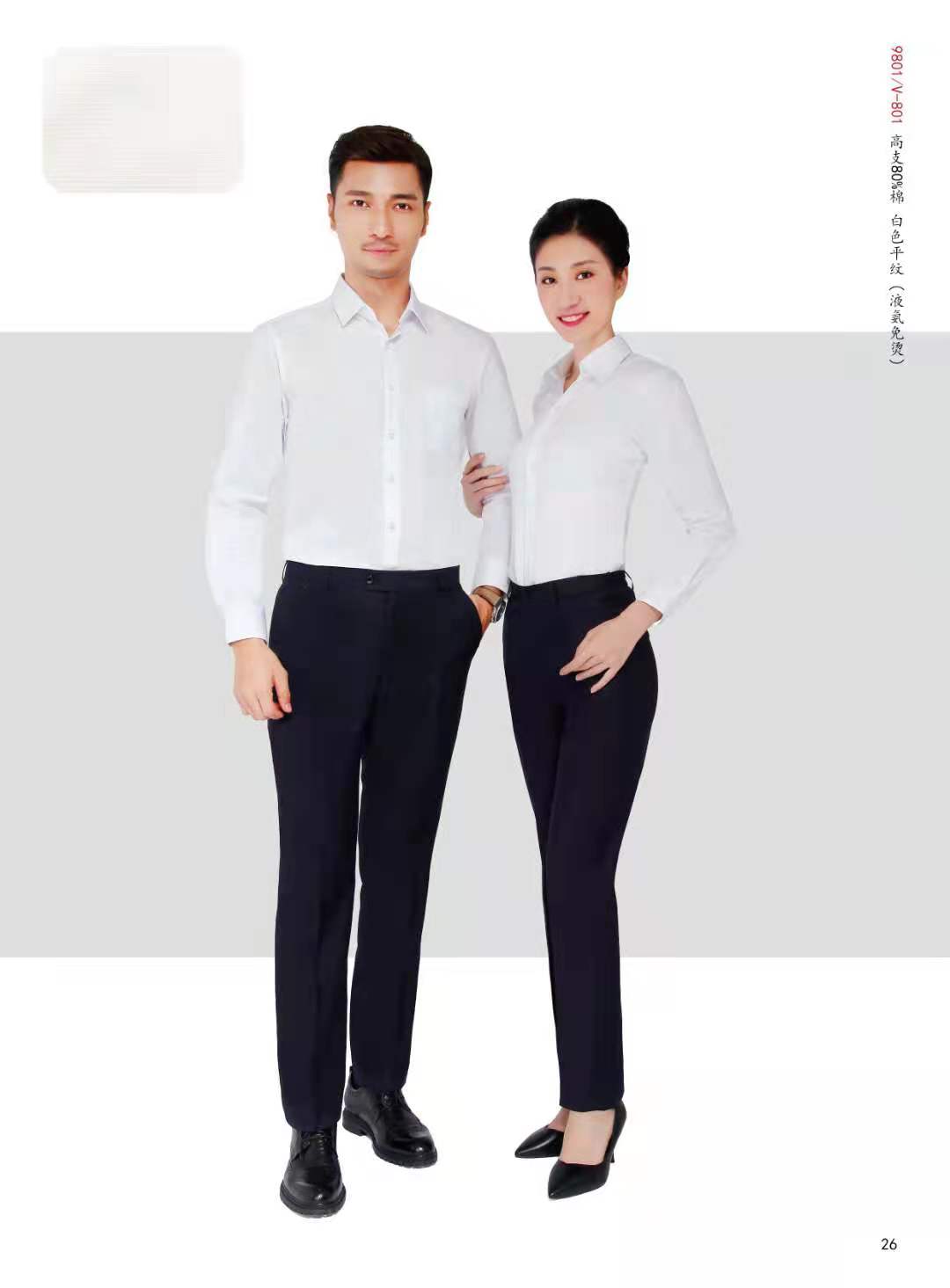
Custom suits are generally for those with high demands, and it requires several important steps to truly showcase the advantages of custom suits. The standard process for custom suit making:
1. Selection of Styles: suits for customization are generally chosen by the individual, which is more conducive to showcasing personal taste; or they can be recommended by others, allowing for better demonstration of one's strengths.
2. Fitting: Once you've selected the style, you can have a tailor take your measurements. One principle of custom suits is to ensure they fit as closely as possible, making the fitting process extremely crucial. During the fitting, the tailor will measure the actual body dimensions to ensure the custom suit fits the customer's skeletal structure without any wrinkles. If you have issues like one shoulder being higher than the other or one arm being longer than the other, make sure to inform the tailor in advance. They will record all details meticulously. These factors will be considered during the cutting and manufacturing process, and the final suit will address these issues effectively. Some suit manufacturers save and file each customer's fitting data for future reference, making it more convenient for customers to order custom suits again.
3. Fabric Selection: Wool and cashmere are commonly used fabrics for suits. Generally, more formal suits will use wool as the primary fabric. These fabrics are fine in fiber, soft and comfortable to the touch, with good sheen and drape, resulting in high-class and elegant finished garments. However, with the changing times and fashion trends, cotton, linen, silk, velvet, and even many chemical fibers and high-tech materials have gradually been widely applied to suit fabrics. This not only enriches the wearing properties of the clothing but also provides us with more choices.
4. Communication: Communication with the designer is a crucial step in custom-made suits. During such communications, the designer gains insights into the customer's profession, hobbies, and primary use for the custom suit. The customer's posture while standing and walking is carefully observed during the measurement process. With the detailed measurements, the designer will discuss and finalize the style and fabric with the customer. Once the style and fabric are confirmed, we can proceed to determine the finer details of the suit.
5. Pay Attention to Details: Do not overlook the selection of details, as elements like sleeve buttons and embroidered texts often serve as the finishing touch. They also symbolize the quality of a suit set, and should be chosen with careful consideration.
6. Fitting: The production process is intricate and meticulous. Even the rough process of custom suits has up to eight steps: fabric treatment, ironing, interfacing, pattern making, hand stitching, basting, fitting, modification, and light testing. To ensure a perfect fit, customers are usually required to try the suit one to two times. During the sewing process, the master will perform a small ironing and shaping at each step to ensure satisfaction before proceeding. After a period of patient waiting, you can finally wear the custom suit. It's all for the achievement of a perfect, personalized suit!

What is the custom suit-making process?
1. Appointment: While a machine-produced garment can be completed in less than an hour, a custom-tailored suit often requires dozens of days or even months. This includes preliminary body measurements, intricate craftsmanship, and potentially additional processes to meet the customer's specific requirements.
2. Color Selection: When choosing a custom suit set, opt for solid colors for comparison; deep gray and navy blue are suitable, while black is more formal and not ideal for office wear. Once the tailor is familiar with your body shape, then try comparing striped and plaid styles. If you're too concerned about adjectives like "trendy" or if your opinion changes due to the large fabric selection;
3. Material Selection: The initial choice involves picking the fabric, color, and style for the suit. Bespoke services offer fabric options, or you can choose your preferred suit fabric. Of course, you can also leave the decision to the merchant's designer or tailor, as they are familiar with a wide variety of global fabrics and will surely find one that suits you.
4. Tailoring: This is a crucial process. Bespoke suit shops often send tailors to the customer's location for personal measurements. If the client is too busy to visit the store, they can arrange for in-home services, even waiting at the airport for the customer's layover. They go to great lengths to save time. Additionally, some tailors take photos of the client from all angles for further observation, and learn about the client's walking posture, habits, and dressing characteristics.
5. Tailoring: After a meticulous fitting, the tailor will cut a pattern based on the customer's body shape, with one pattern per customer. The significance of on-site fitting, taking photos, and observing the customer's walking habits is to gain a detailed understanding of each part's specific conditions, including standing, sitting, and walking postures, and make modifications during tailoring. Which parts need to be reduced and which need to be added are determined based on the customer's specific situation.
6. Manufacturing: Each step is strictly produced according to the established process, with corresponding inspections at every stage, and only upon passing will it proceed to the next phase.
7. Fitting: Custom clothing fittings are conducted multiple times. One fitting is done before the garment is sewn together, allowing the cutter to make adjustments based on the fitting. After the garment is stitched, another fitting is performed for any minor alterations, all in pursuit of a perfect fit.
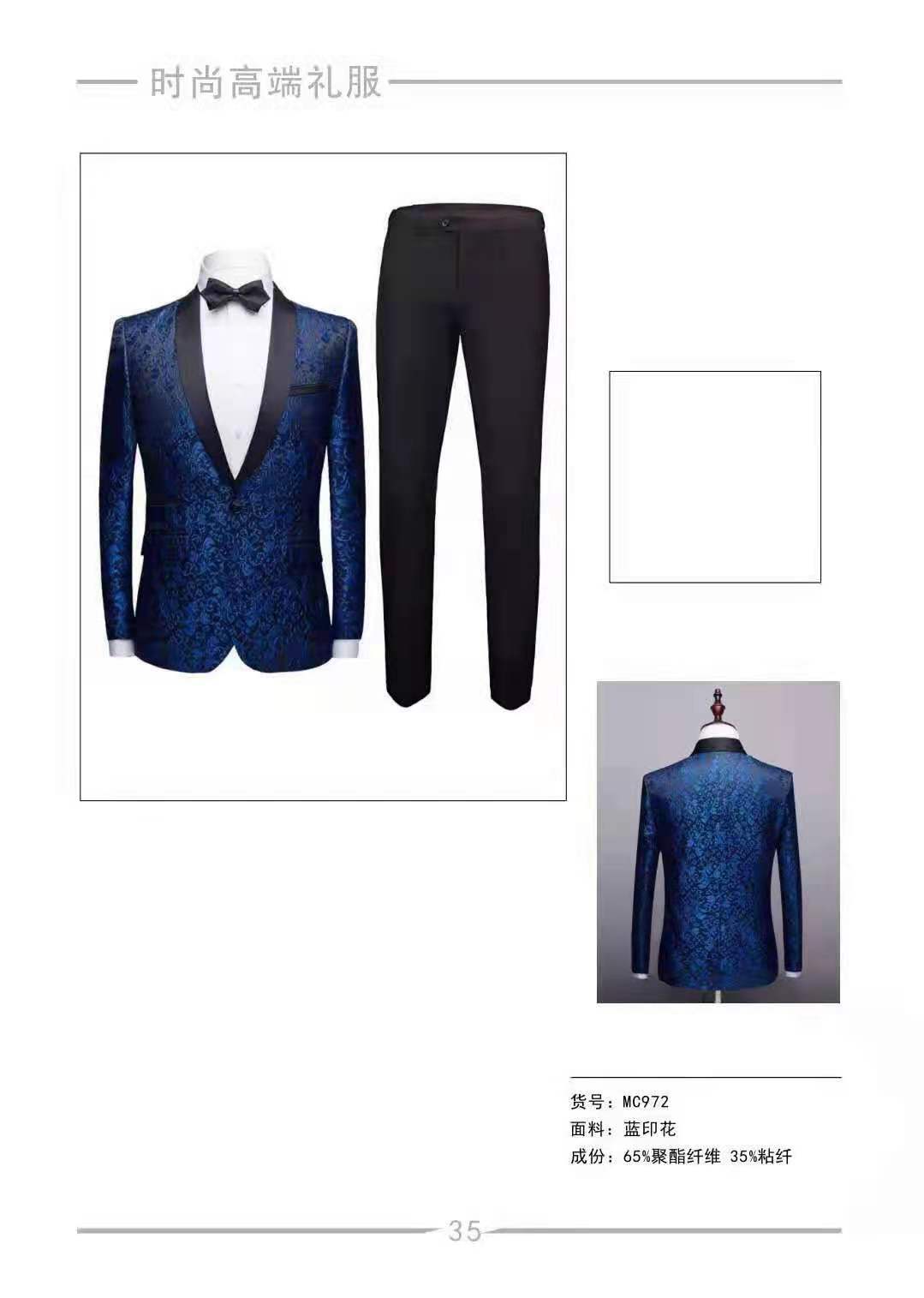
Details of Custom西装:
1. Anti-sweat Patches: To prevent sweat from staining the suit, custom suits come with an additional patch sewn under the armpits. This not only serves to keep the suit dry but also enhances its stretchability, making it easier to press the suit after physical activity.
2. Fleece Lining: Don't skimp on the lining when customizing a suit. A suit that uses adhesive lining is not truly custom-made. Opt for a wool, linen, and horsehair fleece lining. The lining is a layer of fabric placed between the suit's fabric and the underlining, helping the suit to reset better after wearing. Never be stingy with this detail.
3. Sleeve Linings: Due to varying stretch properties for static-dissipative purposes, good suit sleeve linings and body linings are made from different materials; typically, sleeve linings are striped or plaid.
4. Thread Count: We all know that a higher thread count generally indicates better fabric quality. However, when actually selecting and customizing a fabric for a gown, consider other factors such as weight and yarn count. Be sure to inquire thoroughly with the store because, although a high thread count is desirable, a loosely woven fabric is not advisable. Choosing the right fabric is a good approach.
5. Buttonholes: High-quality custom-made suits have all buttonholes hand-stitched. It takes two years of training to learn how to sew buttonholes. If you're not familiar with the difference between hand-stitched and machine-stitched buttonholes, go back and compare them; you'll be able to tell the difference at a glance.
6. Collar: The collar of a suit is a tricky area to sew neatly. During the stitching process, the front collar cannot be made perfectly flat. This minor flaw has actually become a hallmark. If you see a row of lines that are well-defined, you can immediately tell where this suit comes from.
7. Technical Symmetry: A suit is made up of many pieces of fabric, so it's time to test the tailor's skills when dealing with striped or plaid materials. A well-customized suit requires that all seams align the stripes perfectly, even at the cost of wasted fabric; this is also why well-customized suits are expensive. Even for high-grade suits, even with black fabric, the patterns are aligned.
8. Buttons: When choosing buttons, always consider horn buttons or amber buttons. If you prefer, you can also try copper buttons or precious metal studs. Never opt for plastic buttons; they'll ruin your suit. The buttons on custom-made suits are also hand-sewn, with each stitch being sturdy and solid.
Yu Yue Garment Factory in Shaxi Town, Zhongshan City, adheres to the production and business philosophy of "rooted in quality, based on integrity," and has been developing steadily on a firm foundation, providing products and after-sales services to a wide range of customers.
