

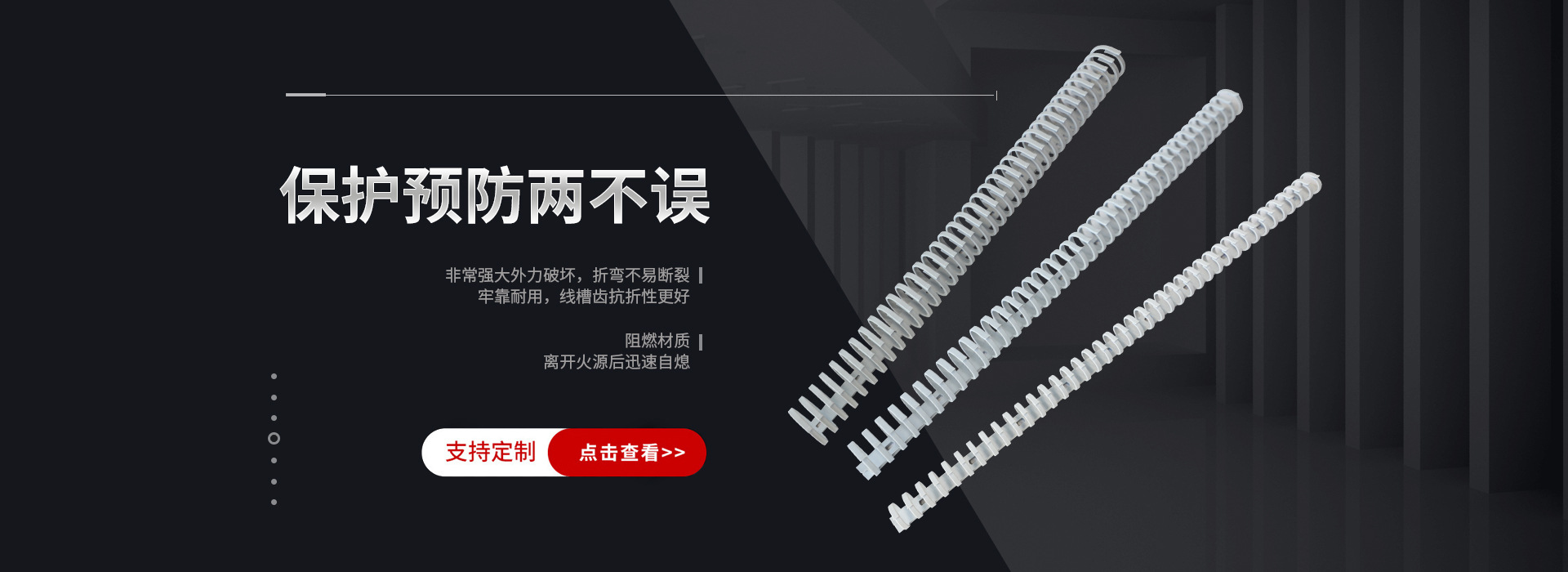





What is Plastic Conduit?
Plastic conduit is a commonly used tool for electrical cable installation, primarily serving to secure and protect cables. The advantages of plastic conduit include ease of use, aesthetic appearance, corrosion resistance, and flame retardancy. However, sometimes plastic conduit may deform. What causes this issue?
Reasons for Plastic Conduit Warping
Excessive temperature
In high-temperature environments, plastic conduit is susceptible to melting and deformation. Particularly during the summer heat, prolonged exposure to high temperatures can easily lead to deformation of the plastic conduit.
2. Overloaded
If a large amount of electrical wire and cable is compressed into a plastic conduit, the load will exceed the conduit's carrying capacity, leading to deformation after prolonged use.
Improper Handling
During the use of plastic conduit, excessive bending, stepping on, or impact due to human operation can cause deformation of the plastic conduit.
How to Avoid Plastic Conduit Warping
Proper installation
When installing plastic conduit, it is essential to follow the relevant standard operating procedures to ensure a secure and reasonable installation, and to avoid unnecessary deformation.
2. Temperature Control
When installing or using plastic conduit, it is necessary to control the ambient temperature, particularly during the hot summer months, when measures to prevent heat and cool down should be taken.
3. Load Allocation Rationalization
When using plastic conduit, consider its load capacity and distribute the number of electrical cables reasonably to avoid overloading.
4. Be mindful of manual operations
During the use of plastic conduit, it is crucial to be mindful of human operation, avoiding improper actions such as excessive bending, stepping on, or impacts, to ensure the plastic conduit remains in a normal state of use for an extended period.
In summary, deformation of plastic conduits is a common issue; however, by mastering the correct usage methods and precautions, one can effectively prevent such occurrences and extend the service life of the conduits.