


Alloyed steel's elements have varying degrees of impact on the microstructure and properties of steel during tempering. Their primary effect is to enhance the steel's temper resistance, with some alloy elements also causing secondary hardening and the development of temper brittleness. (1) Higher temper resistance at elevated temperatures. Compared to non-alloy steel at the same tempering temperature, the various tempering transformation processes in alloy steel are delayed to a greater extent. The hardness of alloyed steel shapes is higher than that of non-alloy steel, allowing the steel to maintain its resistance to softening at higher temperatures, which is referred to as temper resistance (or temper stability). Alloy steels generally exhibit good temper resistance. To achieve the same hardness, the tempering temperature of alloy steel needs to be higher than that of non-alloy steel, and the tempering process at higher temperatures is more beneficial for relieving internal stresses and improving the steel's plasticity and toughness. Consequently, alloy steel can achieve better overall mechanical properties, as shown in Figure 3-1.
Alloy steels containing relatively high amounts of W, Mo, V, Cr, and Ti elements undergo secondary hardening during high-temperature tempering at 500-600°C, resulting in the precipitation of high-hardness carbides (such as WC, Mo2C, VC, Cr23C6, TiC, etc.) in the form of finely dispersed particles, as seen in steels like Q390GNH and Q460NH. Low-alloy steel for railway applications, such as low-alloy heavy rail steel (U711VItiSiCu steel, etc.), railway special-shaped steel (49V steel, etc.), low-alloy steel for cranes (U71Mn steel, etc.), mining low-alloy steel (e.g., ZO1W h steel), and low-alloy steel for oil and gas pipelines (e.g., 1320 steel). Special quality low-alloy steel refers to low-alloy steel that requires strict quality and performance control during production, particularly the control of sulfur, phosphorus, and other impurities' content and purity. It mainly includes: low-alloy steel for nuclear energy use; low-alloy steel ensuring thickness direction properties; low-alloy steel for railway wheels (e.g., C1A5MnSiV steel, etc.); low-temperature low-alloy steel; and specialized low-alloy steel for ship armaments, etc. Low-alloy special-shaped steel pipes are classified based on their main performance and usage characteristics, including weldable types.
(One) Uneven compressive strength of cold-rolled coils
The bending condition of the special-shaped steel pipes is quite severe, and the bending direction is not limited to one direction. For the bending caused by the uneven compressive strength of the cold-rolled coils, it is imperative for the manufacturer of the cold-rolled coils to address this by improving the cold-rolling quality. The difference in compressive strength among different parts of the cold-rolled coils should be controlled within 30MPa.
(2) Insufficient diameter sizing
Before the hydrostatic pressure test, the non-standard steel pipe is straight, but after the test, it develops a bending condition with a fixed direction. At this point, it is necessary to moderately increase the sizing quantity to reduce the excessive internal stress of the non-standard steel pipe, which can prevent the occurrence of bending. If the bending condition persists even after increasing the sizing quantity, further adjustment of the forming plate holes is required to provide the sheet with an additional deformation to compensate for the rebound force after deformation, thereby reducing the internal stress and addressing the bending issue with such non-standard steel pipes.
(3) Poor straightening machine frame adjustment
The non-standard steel pipes bend upon exiting the die-rolling machine and remain fixed, bending in one direction. During the straightening process of the non-standard steel pipes, Turkish heads are used to adjust parallelism. Properly adjusting the deflection value of the Turkish head in the opposite direction is crucial for controlling the bending of the non-standard steel pipes. For bends caused by improper adjustment of the straightening machine frame, the operator should keep the Turkish head sound card frame of the adjacent flying saw unchanged, and make appropriate adjustments to the other Turkish head in the opposite direction based on the direction of the bend.
(4) Uneven surface temperatures on both sides
The non-standard steel pipes are very straight when broken during the production process, but they bend when cooled on the casting and rolling frame, and the overall bending direction is the same. By upgrading the water-cooled heat dissipation equipment, the controllability of the water flow volume of the cooling water on the surface layer is maintained, ensuring the same surface temperature on both sides of the non-standard steel pipes. For large-diameter non-standard steel pipes, when the water-cooled heat dissipation flow rate is increased, the surface temperature is still higher than the bottom layer. It can be moderately reduced to speed up the production line, or install a refrigerant cooling tower to accelerate the refrigerant cooling. Use the reverse adjustment method, which is to adjust in the opposite direction during the die straightening based on the bending direction and level of the non-standard steel pipes on the casting and rolling frame.

Tianjin Jiatong offers materials in grades 10#, 20#, 35#, 45#, 20Cr, 40Cr, 20CrMo, and 40CrMo. We provide both welded and seamless special-shaped tubes, manufactured according to customer specifications. These products are mainly used for various structural components, tools, and mechanical parts. Compared to round tubes, special-shaped tubes generally have greater bending and torsional resistance. Welcome to visit our factory for viewing and ordering.
Main Products: Cold drawn seamless steel tubes and special-shaped steel tubes, including non-standard special-shaped steel tubes, which can be customized according to customer requirements. Materials include 10#, 20#, 35#, 45#, 20cr, 40cr, 20crmo, 40crmo. Available in both welded and seamless special-shaped tubes, these tubes cover all sizes from 1" to 24". They can be produced according to Chinese GB, Japanese JIS, German DIN, and American ASTM standards. The products are mainly used for various structural components, tools, and mechanical parts. Compared to round tubes, special-shaped tubes generally have a larger moment of inertia and section modulus, offering greater bending and torsional resistance.
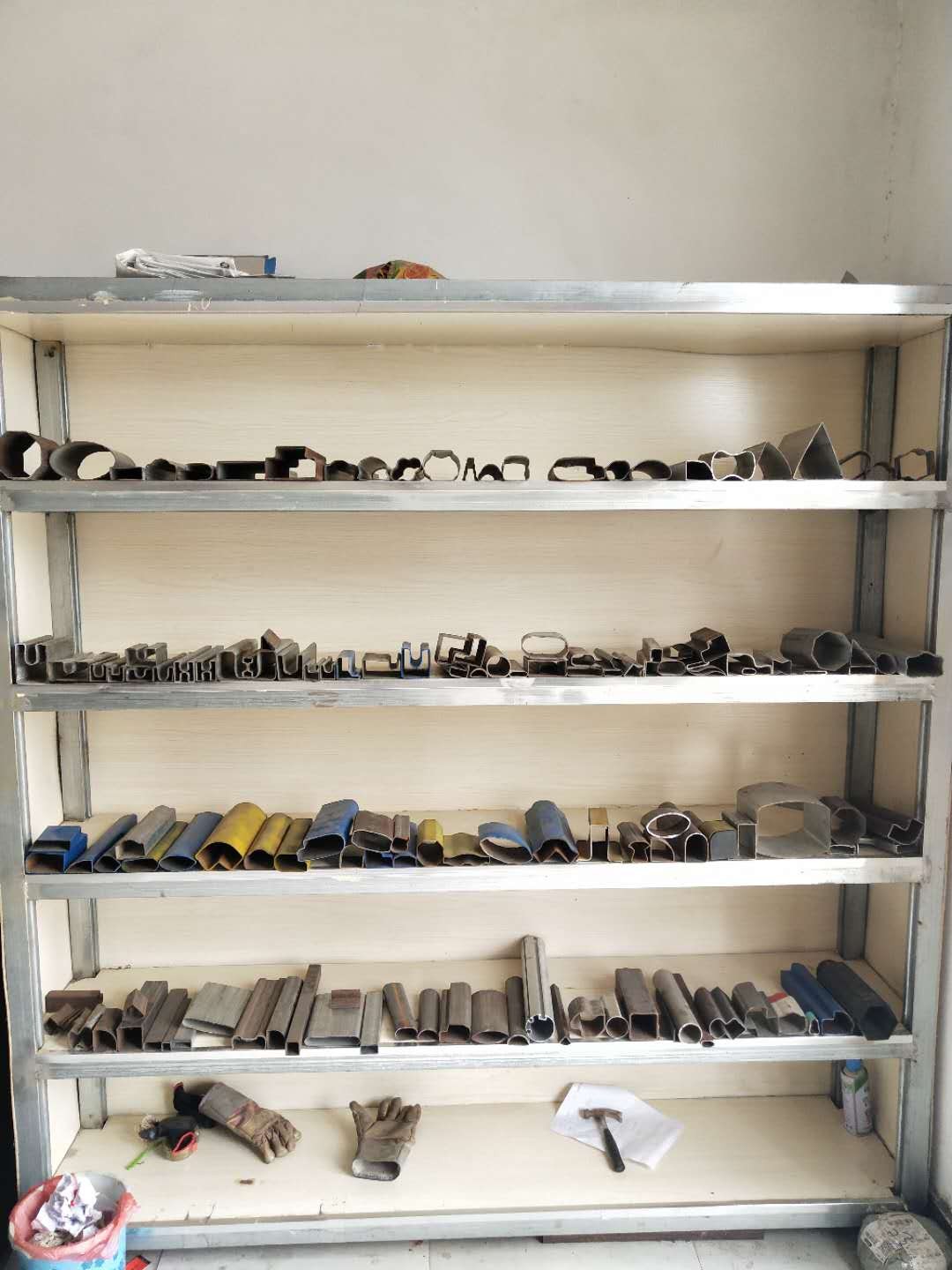
Oval, triangular, hexagonal, rhombic, octagonal, semicircular, uneven hexagonal, five-petal plum blossom, double convex, double concave, melon-shaped, conical, wavy and other non-standard steel tubes...


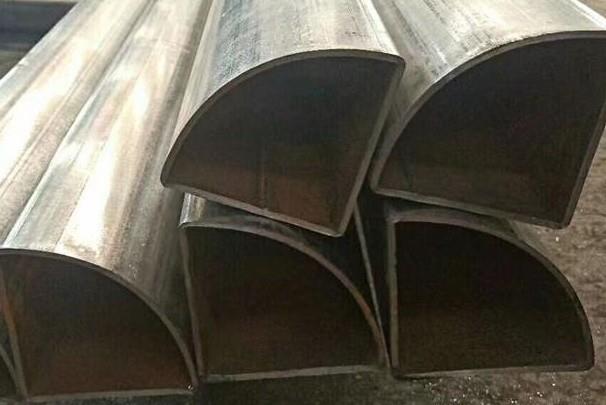
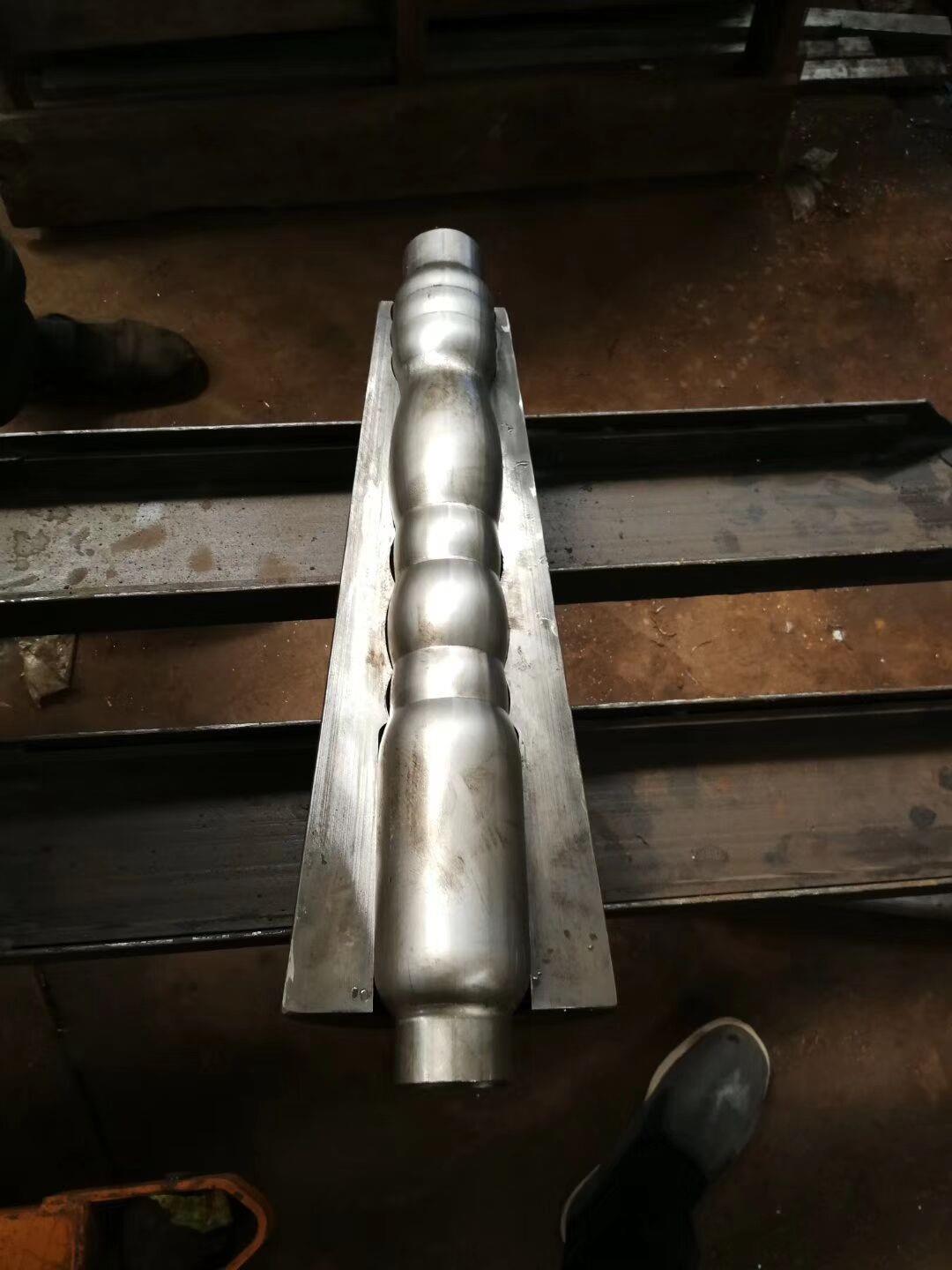
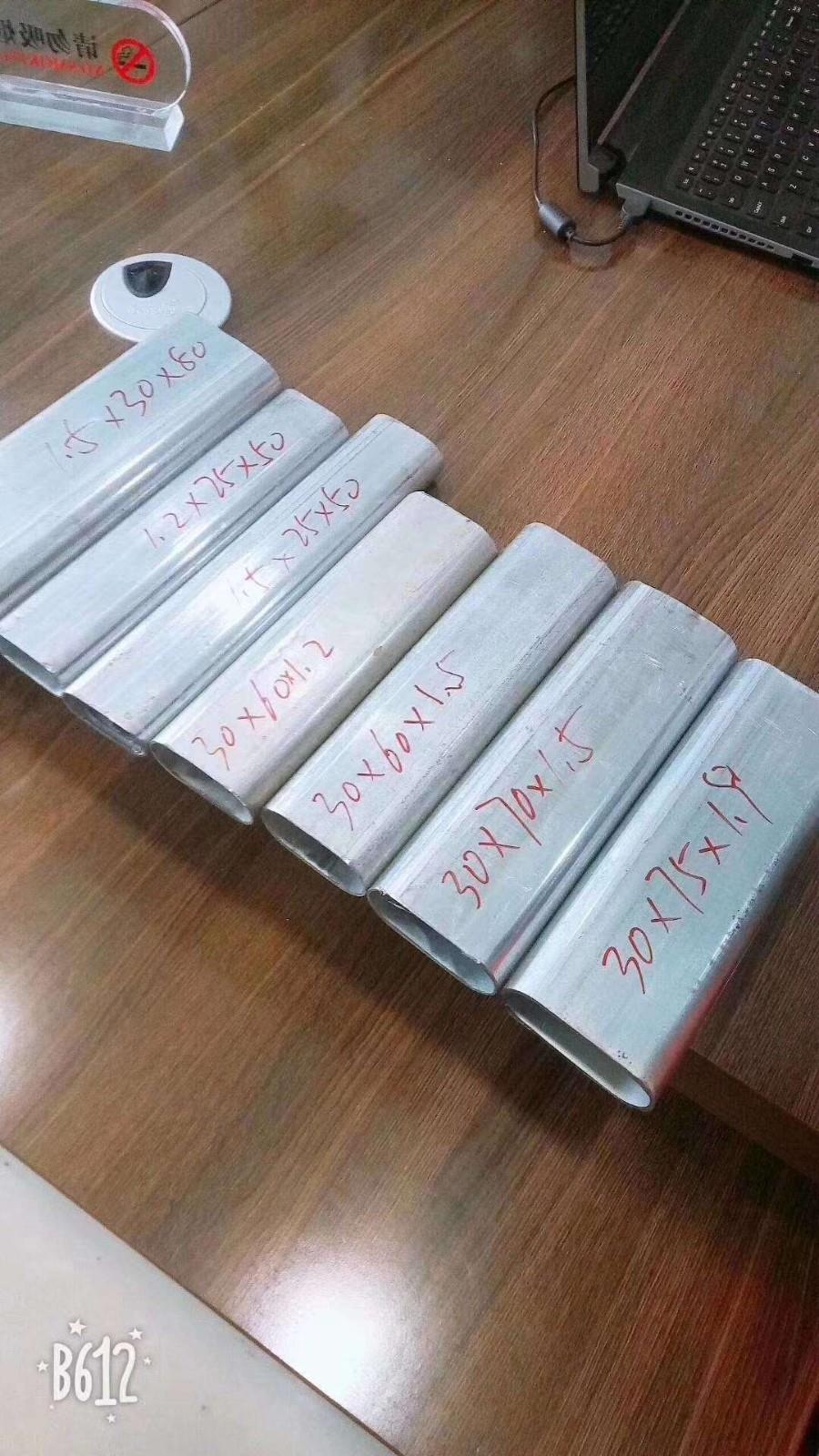


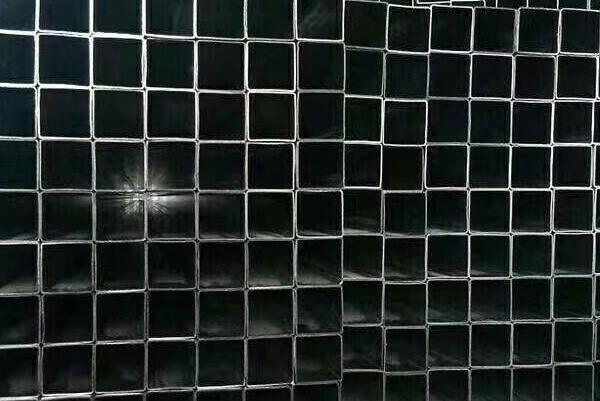
Stock of various shapes steel pipes for railing use, including guardrail pipes, galvanized guardrail steel pipes, special-shaped steel pipes, galvanized elliptical pipes, bread steel pipes, plum blossom steel pipes, grooved steel pipes, lantern steel pipes, special-shaped pipes, and hexagonal steel pipes. Our factory mainly produces a variety of guardrail special-shaped steel pipes such as elliptical pipes, bread steel pipes, olive-shaped steel pipes, bread tubes, D-shaped pipes, P-shaped pipes, plum blossom pipes, semicircular pipes, arch pipes, diamond pipes, fan-shaped pipes, triangular pipes (steel), hexagonal pipes (steel), octagonal pipes (steel), outer round inner elliptical pipes, inner round outer hexagonal seamless steel pipes, outer round inner triangular pipes, outer round inner square pipes, outer round inner octagonal pipes, and various polygonal irregular special-shaped pipes. Custom designs are available according to customer drawings. We can process steel pipes of any model according to customer requirements.
Our company always maintains a stock of rectangular steel tubes, which mainly includes: seamless rectangular steel tubes, stainless steel rectangular steel tubes, galvanized rectangular steel tubes, and welded rectangular steel tubes. The main materials are Q235, Q345-16Mn, 20#, 45#, 35#, 201, 202, 304, 316L, and various alloy materials.
Primary Application Fields: Guardrail construction, galvanized guardrail steel pipes, architectural steel structures, large venues, convention centers, lifting equipment, shipbuilding, storage racks, decoration and renovation, traffic facilities, airport construction, railway vehicles, bridge supports, mine supports, multi-level parking garages, outdoor advertising, fitness equipment, wind power equipment, vehicle manufacturing, and more. With excellent management and development advantages, leveraging cutting-edge development concepts, advanced development ideas, and a successful operational model,
