

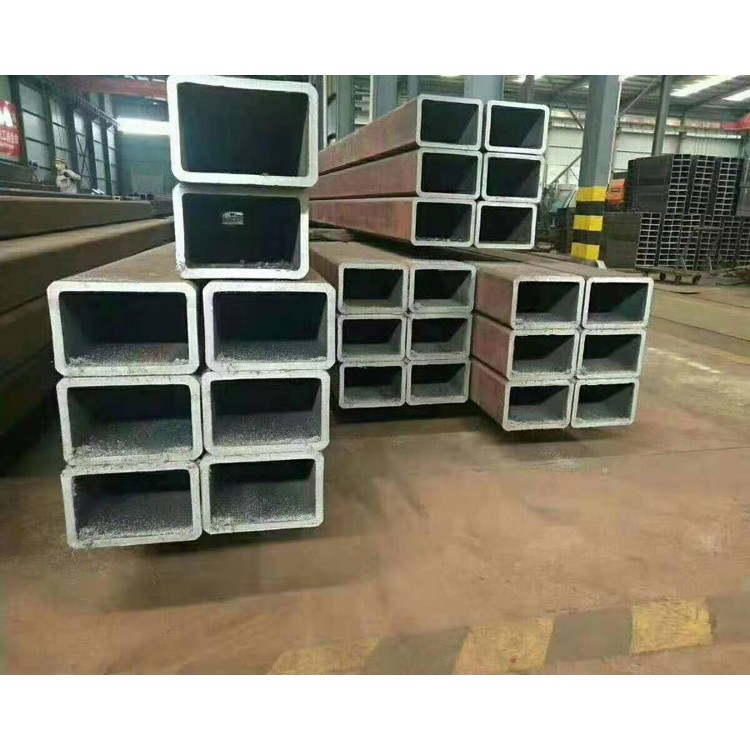
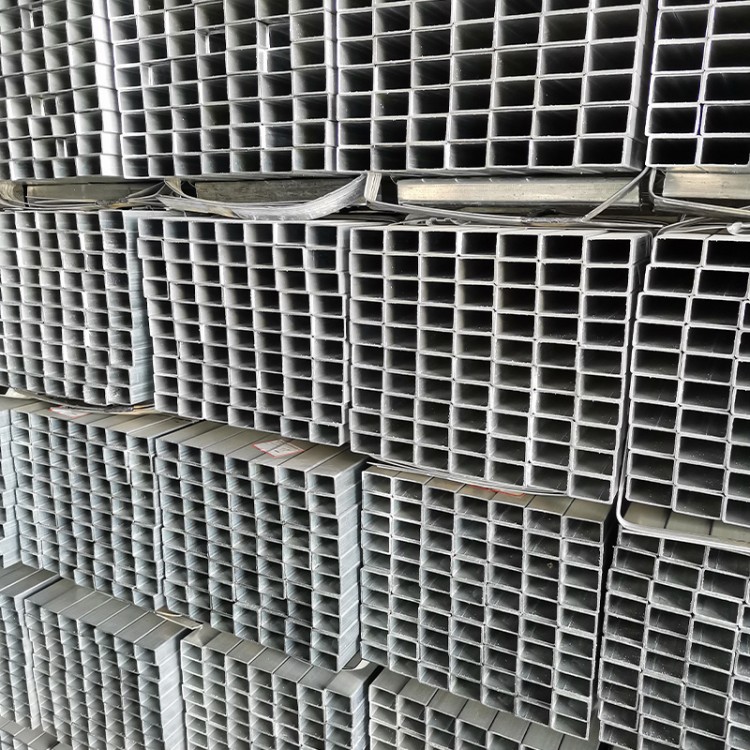
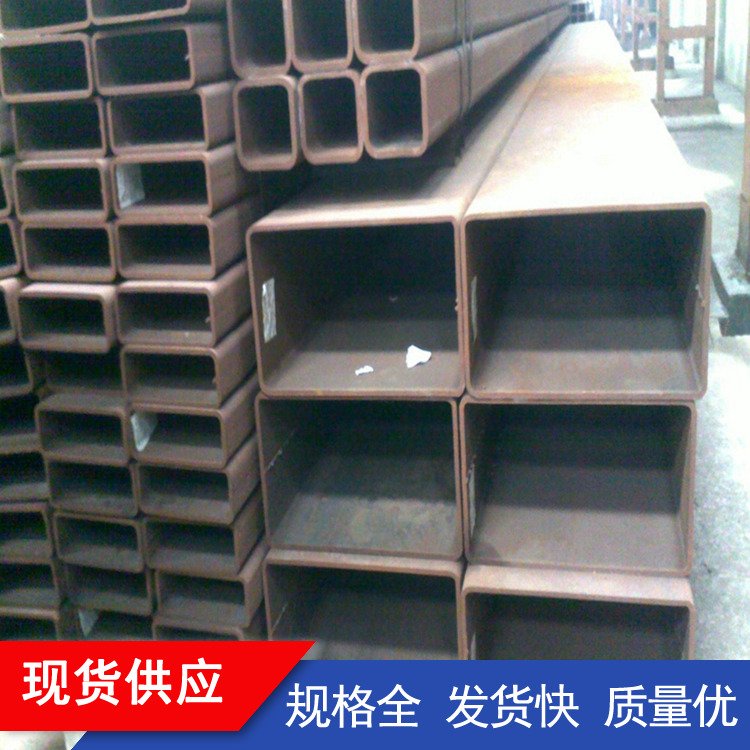
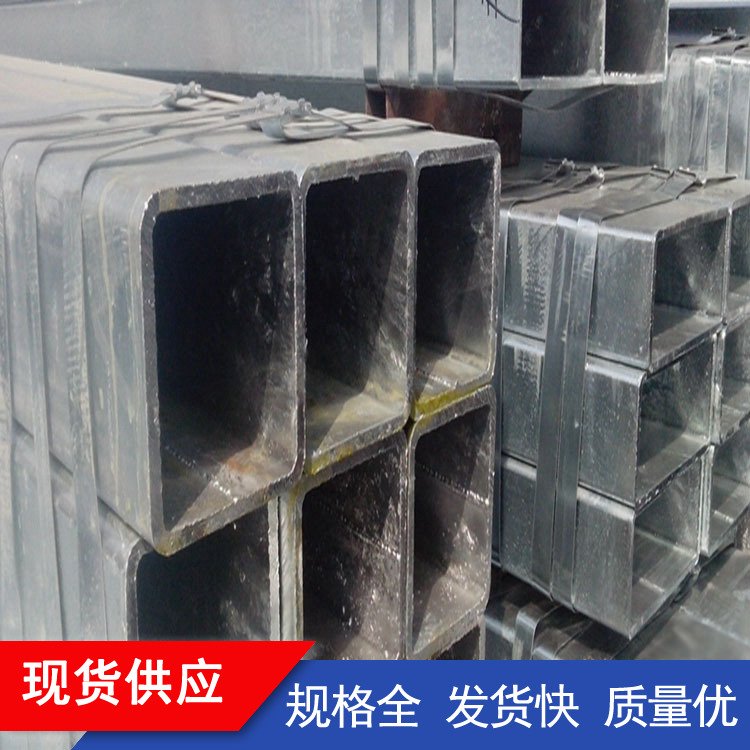
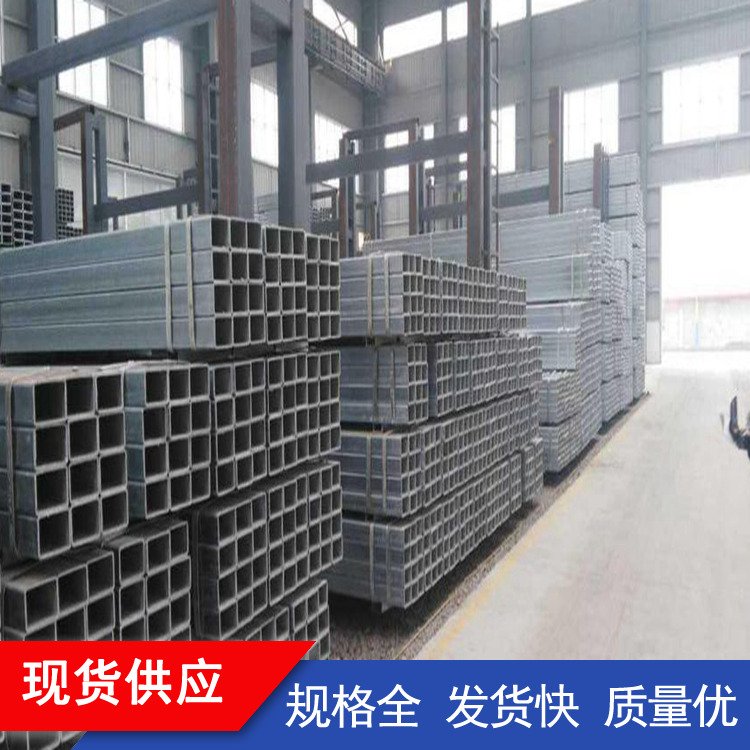
80x100 Welded Square Tubing New Product, 40x140 Rectangular Steel Pipe, Machined 30x150 Square Tube
Square rectangular tubeDomestic construction and realization of the four modernizations cannot do without this essential material. It is widely used and has a variety of types. According to the different cross-sectional shapes, square tubes are generally divided into four categories: profile materials, plate materials, tube materials, and metal products. This is to facilitate the organization of square tube production, order supply, and the management of business operations.
2. Method of square tube production
Most rectangular tube processing involves pressure processing to produce plastic deformation in the steel being processed (ingots, billets, etc.). According to the processing temperature of the rectangular tube, it can be divided into cold processing and hot processing. The main processing methods for rectangular tubes include:
Rolling: A pressure working method where rectangular metal billets are passed through the gap between a pair of rotating rolling mills (various shapes), resulting in reduced cross-sectional area and increased length due to compression by the rolls. This is a commonly used production method for square tubes, mainly used to produce square tube sections, plates, and pipes. It is divided into cold rolling and hot rolling.
Forged rectangular tubes: A pressure processing method that utilizes the reciprocating impact force of a forging hammer or the pressure of a press to change the billet into the desired shape and size. Generally divided into free forging and die forging, commonly used for producing large-sized materials, roughing, etc., with larger cross-sectional dimensions.
Drawn square tube: A method of forming reduced cross-section and increased length by pulling metal billets (shapes, tubes, products, etc.) through die holes, commonly used in cold working.
Extrusion: A method of processing metal into a square tube shape by placing it within a closed extrusion die, applying pressure to one end, and forcing the metal through a die hole to produce finished products with the same shape and dimensions. This process is commonly used for producing square metal tubes of non-ferrous materials.
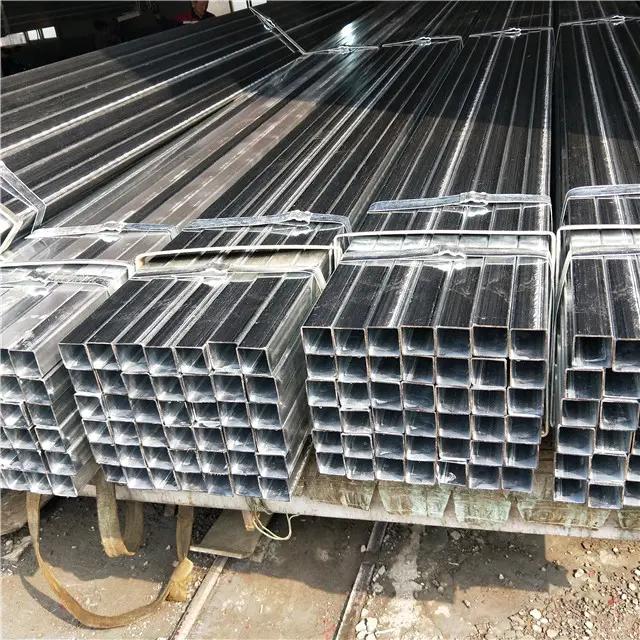
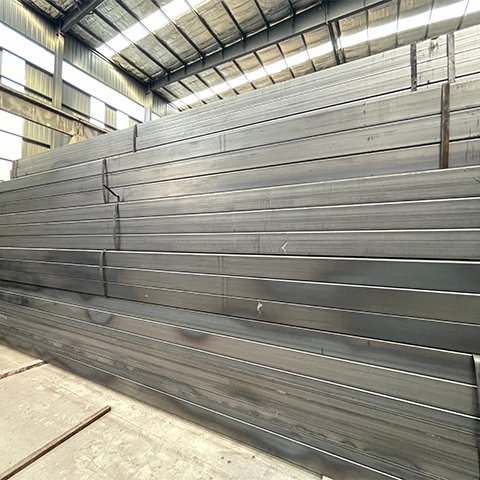
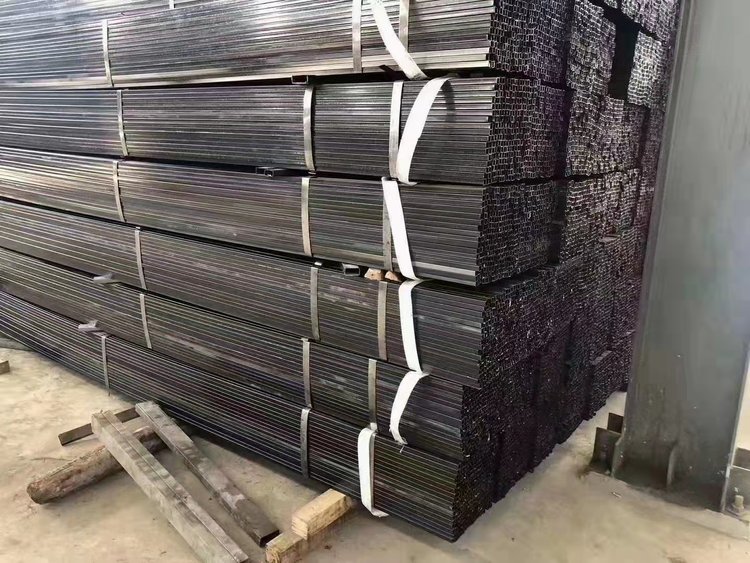


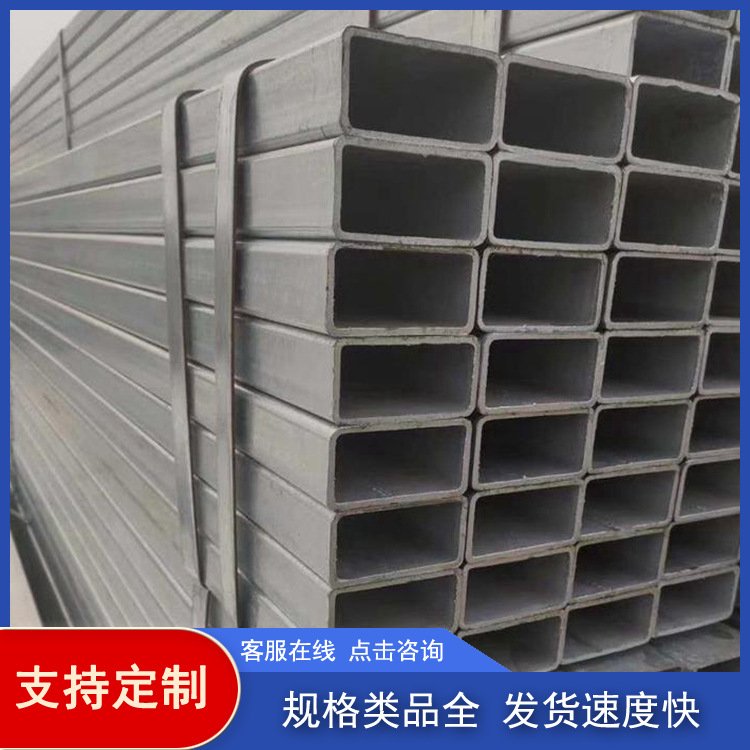

.jpg)



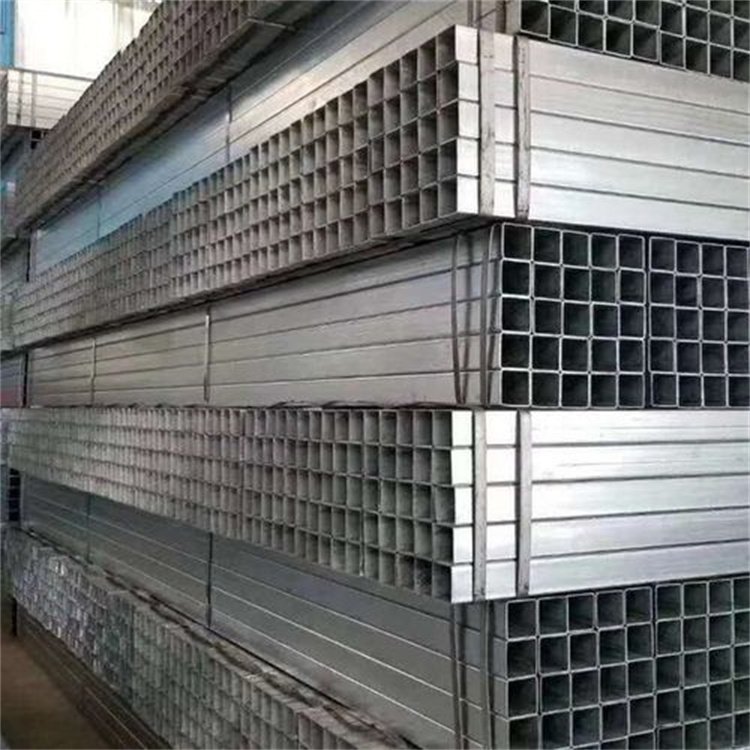
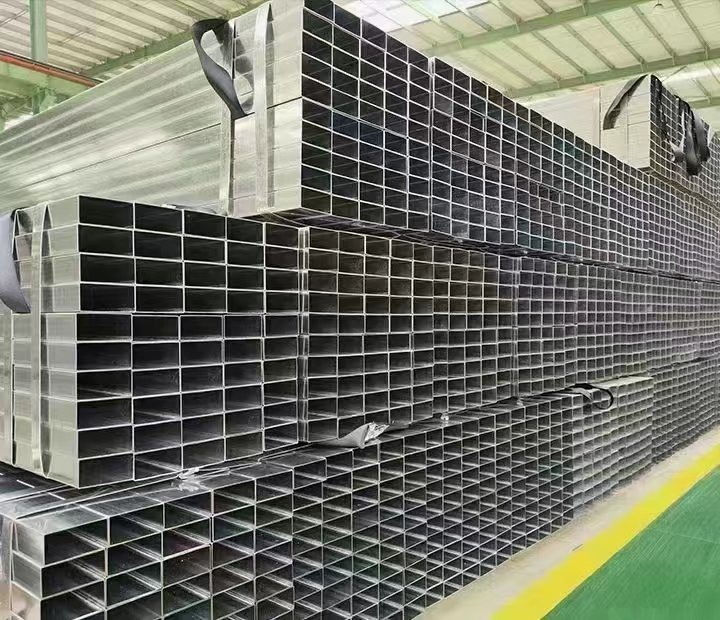
Firstly, let's briefly introduce the basic concepts of ferrous metals, square steel, and non-ferrous metals before delving into the classification of steel.
1. Black metals refer to iron and its alloys, such as steel, pig iron, iron alloys, cast iron, etc. Both steel and pig iron are alloys based on iron pipes, primarily adding carbon as the main element, collectively known as iron-carbon alloys.
Mild steel is a product obtained by smelting iron ore in a blast furnace, primarily used for steelmaking and casting pipe fittings. By melting cast iron in a cupola furnace, you get cast iron (in liquid form), which is then cast into pipe fittings. This type of cast iron is known as cast iron fittings.
Iron alloys are composed of iron combined with elements such as silicon, manganese, chromium, and titanium. They serve as one of the raw materials for steelmaking, used as deoxidizers and alloying element additives during square tube steel production.
2. Place pig iron used in steelmaking into the steelmaking furnace and melt it according to a specific process to obtain steel. Steel products include ingots, continuous casting billets, and rectangular tubes cast into various steel castings. When we usually refer to steel, it generally means steel that is rolled into various rectangular tubes. Square tube steel belongs to ferrous metals, but steel is not entirely equivalent to ferrous metals.
3. Square metal tubes, also known as non-ferrous metals, refer to metals and alloys other than ferrous metals, such as copper, tin, lead, zinc, aluminum, as well as brass, bronze, aluminum alloys, and bearing alloys. Additionally, in the industrial sector, metals like chromium, nickel, manganese, molybdenum, cobalt, vanadium, tungsten, and titanium are used in square metal tubes. These metals are primarily used as alloying elements to enhance the properties of metals, with tungsten, titanium, and molybdenum often used to produce hard alloys for cutting tools. These non-ferrous metals are collectively termed industrial metals. Furthermore, precious metals such as platinum, gold, and silver, as well as rare metals including radioactive uranium and radium, are also included in square metal tubes.
