





- AllProduct Category
-
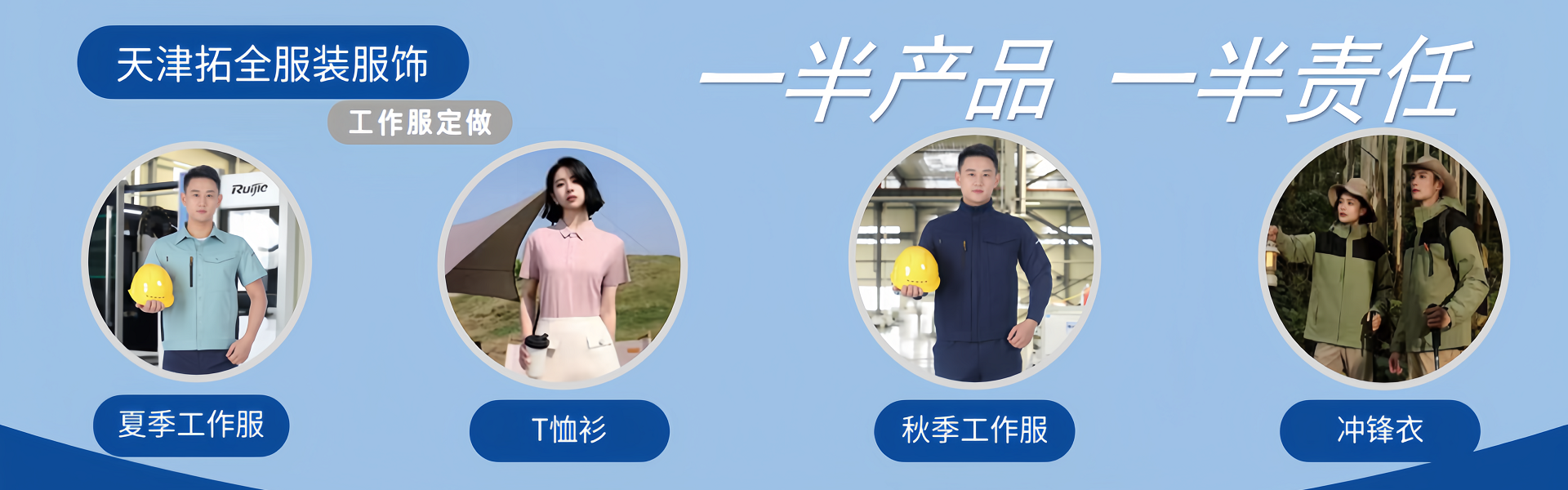
Safety Boots
Puffer Jacket
Custom Suit Tailoring
T-shirts
Workwear


Recommended Products
详情描述
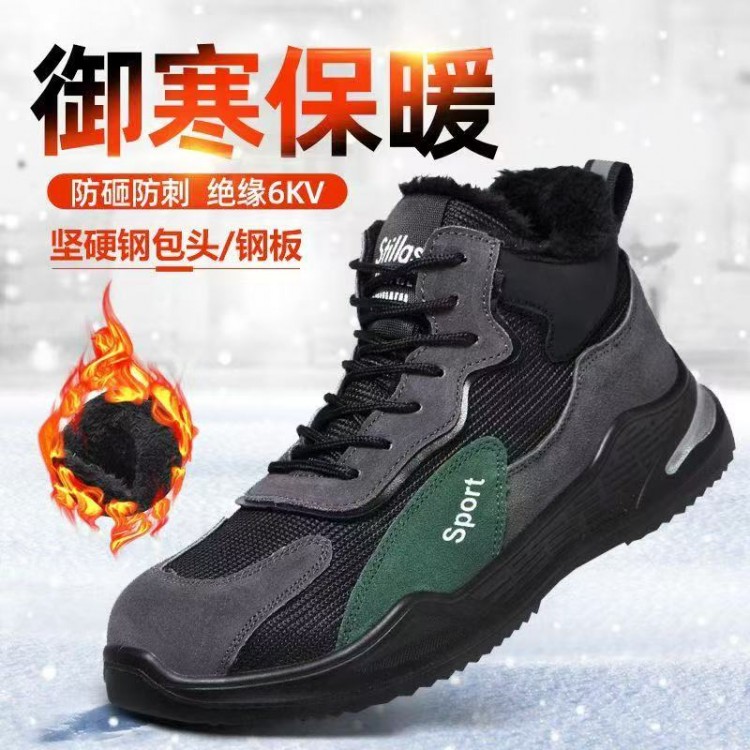
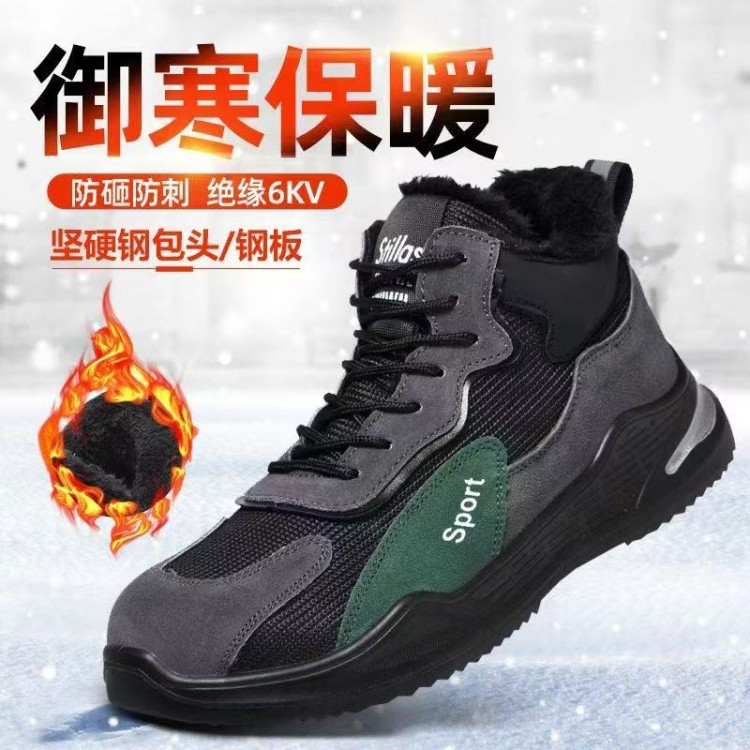
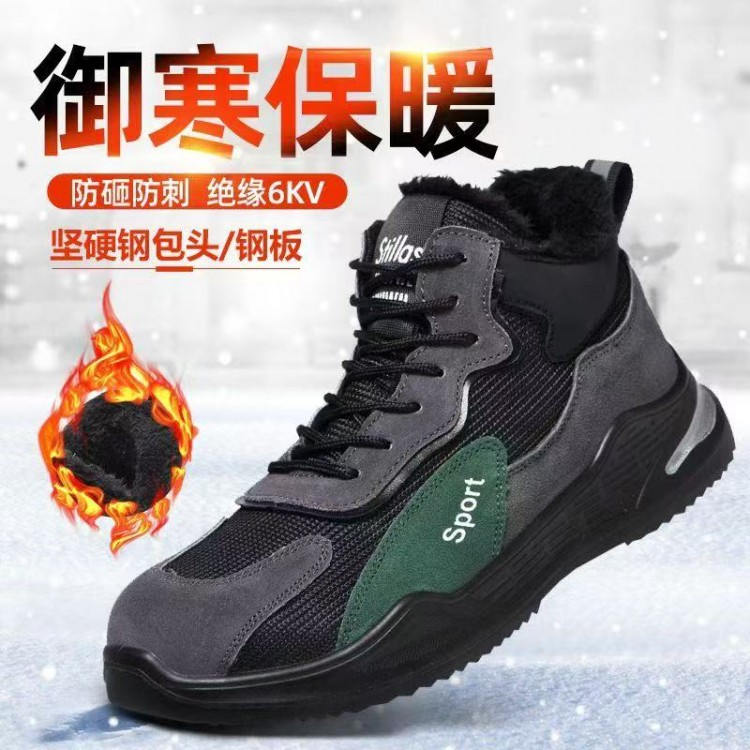
Sizes 37-44
Safety shoes are protective gear specifically designed to shield the feet from potential hazards in the workplace, widely used in industries such as construction, manufacturing, chemicals, mining, and logistics. The following details the definition, classification, standards, selection tips, and usage points.
The core function of safety shoes
Anti-shockThe shoe toe is equipped with a steel toe cap or composite material, designed to withstand impacts from falling objects (typically meeting the 200 joule impact resistance standard).
Stab-resistantMidsole incorporates anti-puncture layer (such as Kevlar material) to prevent sharp objects from piercing the sole.
Anti-slipThe soles feature special patterns or rubber materials to enhance traction on smooth surfaces such as oil and water stains.
Anti-static / ConductiveDisperse static electricity through material conductivity to prevent sparks from causing explosions (suitable for flammable and explosive environments).
InsulationIsolate current to protect electricians and others working in environments with live electrical contact.
Chemical ResistantSpecial coatings or materials resist erosion from acids, alkalis, and other chemicals.
Insulation/Thermal ProtectionSuitable for high or low-temperature operating environments.
2. Classification Standards (e.g., common criteria)
China Standard (GB)
GB 21148-2020 "Foot Protection - Safety Shoes": Specifies performance requirements for anti-crushing, anti-puncture, and anti-static, etc.
Label Example:
GB 21148-2020 An1(Shockproof + Stab-Proof)European Standard (EN ISO)
EN ISO 20345 (General Safety Footwear), EN ISO 20347 (Occupational Protective Footwear): Divided into SB/S1/S2/S3 categories (with additional features like waterproof, oil-resistant, etc.).
3. Key Selection Points
Match work environment:
Construction Site: Priority protection against falling, piercing, and slipping.
Chemical/Electronic Factory: Requires antistatic or insulating properties.
Metallurgy/Welding: Choose styles that are heat-resistant or prevent metal spatter.
Size and Comfort:
One and a half sizes larger than regular shoes (thick socks required), ensuring ample toe room.
Check for a snug fit at the toe and ensure the insole conforms to the arch of the foot during trial wear.
Certification Mark:
Regular products should have the LA safety mark (China) or CE certification (EU).
Brand & Material:
Prefer renowned protective brands (such as Honeywell, Delta, etc.).
The material of the shoe upper (leather, synthetic leather) affects breathability and durability.
4. Use and Maintenance
Regular inspections:
Toe and sole cracks, puncture-resistant layer damage.
Insulating footwear must be tested for electrical properties every 6 months.
Cleaning and Maintenance:
Wipe with a damp cloth; avoid contact with corrosive chemicals.
Avoid high-temperature drying to prevent material aging.
Replacement Cycle:
For frequent use (such as 8 hours a day), we recommend replacing every 6-12 months.
5. Important Notes
Disable in non-protective scenariosWear may affect comfort, and some features (such as static dissipation) require the use of conductive flooring.
Special Environment AdaptationSelect specialized styles (such as insulated boots, heat-resistant boots) for extreme cold or high-temperature environments.


