
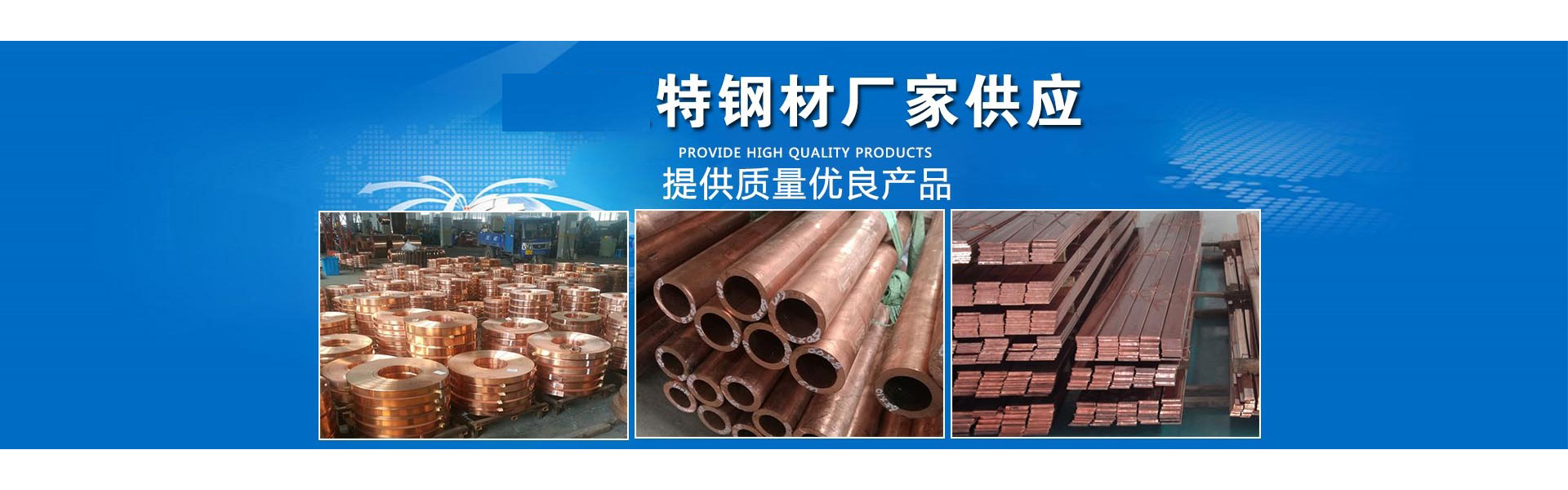


Copper tube, a type of non-ferrous metal tube, is a seamless tube that is rolled and drawn. Trace impurities in copper significantly affect its conductivity and thermal conductivity. Elements like titanium, phosphorus, iron, and silicon notably reduce electrical conductivity, while cadmium and zinc have a much smaller impact. The pure copper referred to here must indeed be very pure, containing over 99.95% copper. Even small amounts of impurities, particularly phosphorus, arsenic, and aluminum, can greatly reduce copper's conductivity. Oxygen content in copper (easily mixed in during copper smelting) has a significant impact on conductivity, so copper used in the electrical industry is typically oxygen-free. Additionally, impurities like lead, antimony, and bismuth can prevent copper crystals from bonding together, causing thermal brittleness and affecting the processing of pure copper. This highly pure copper is generally refined through electrolysis: impure copper (also known as crude copper) is used as the anode, pure copper as the cathode, with a copper sulfate solution as the electrolyte. As current passes through, impure copper on the anode gradually melts, and pure copper gradually precipitates on the cathode. The copper refined in this manner can reach a purity of up to 99.99%.
新闻中心
