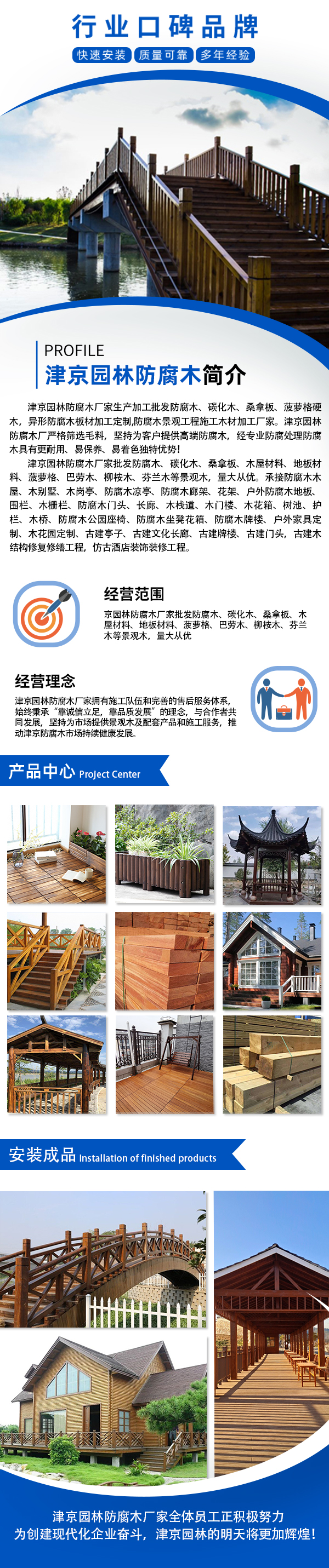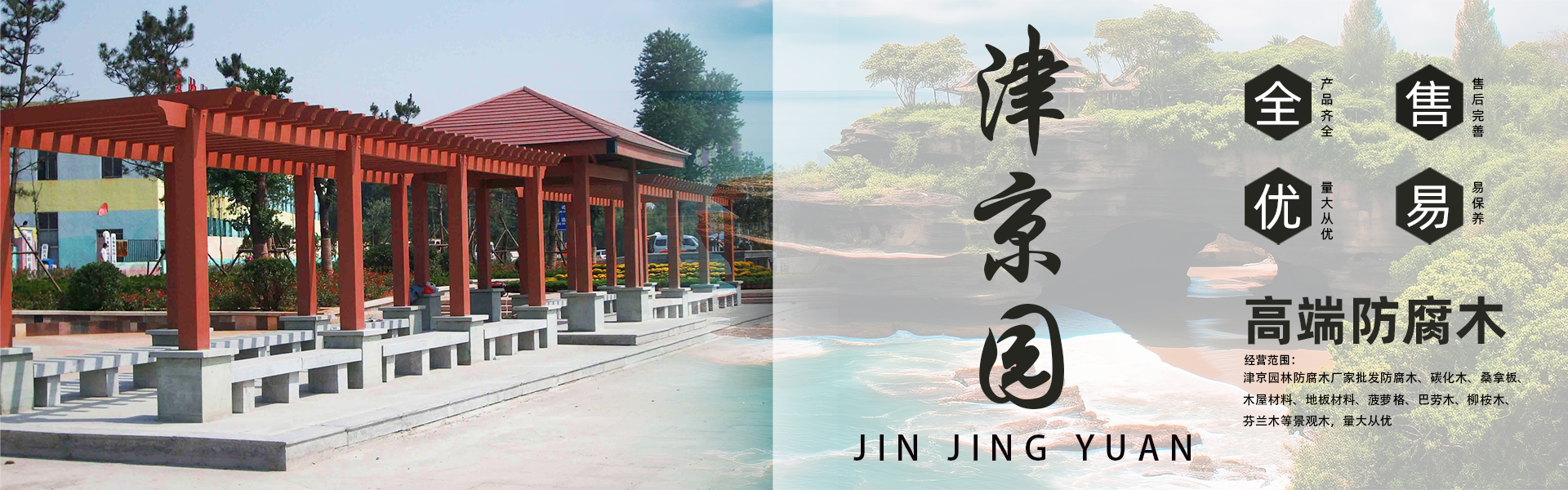


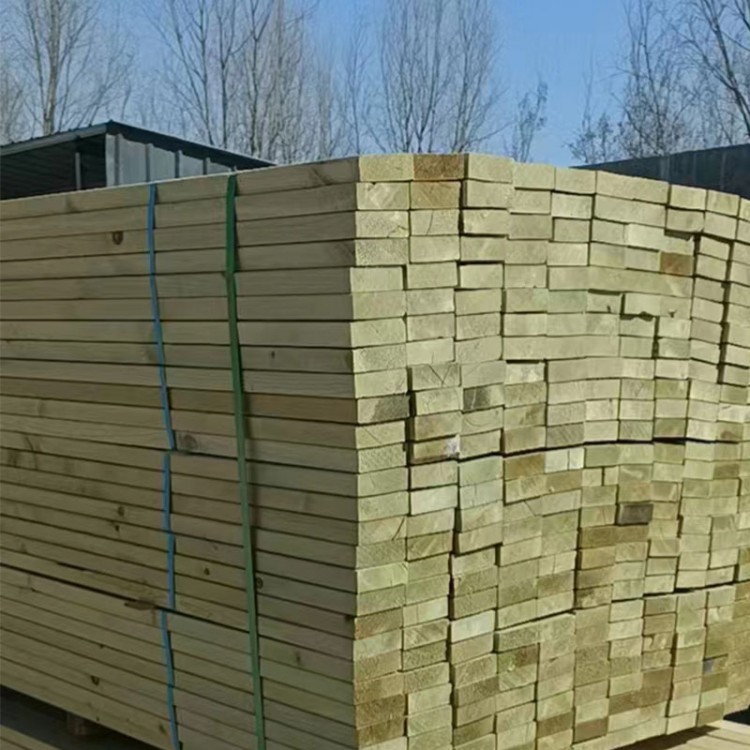
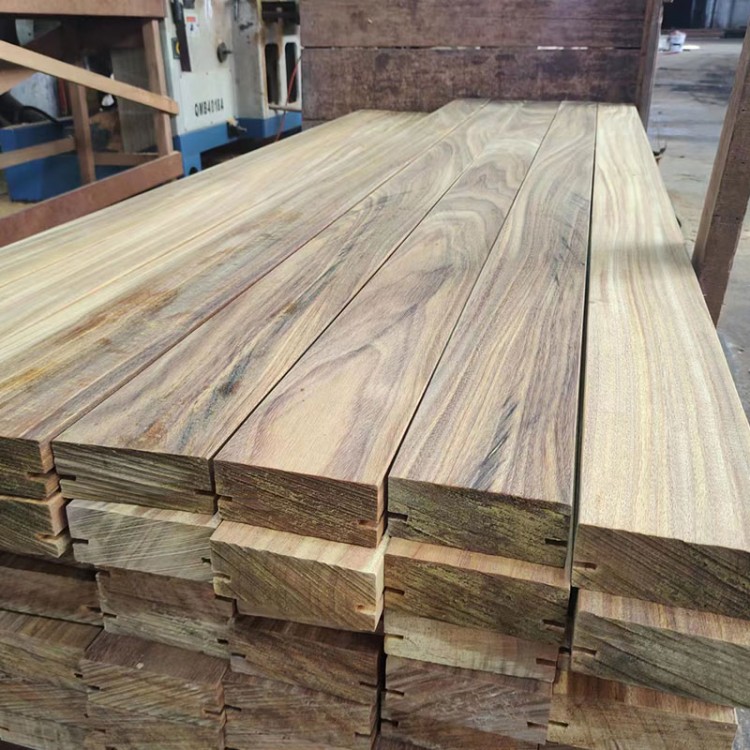
Preservative-treated wood flooring, a finished product name derived from ordinary wood that has been processed with preservative treatment. After undergoing preservative treatment, ordinary wood flooring significantly improves its performance, achieving the effects of anti-corrosion, anti-mold, anti-woodworm, and anti-termite.
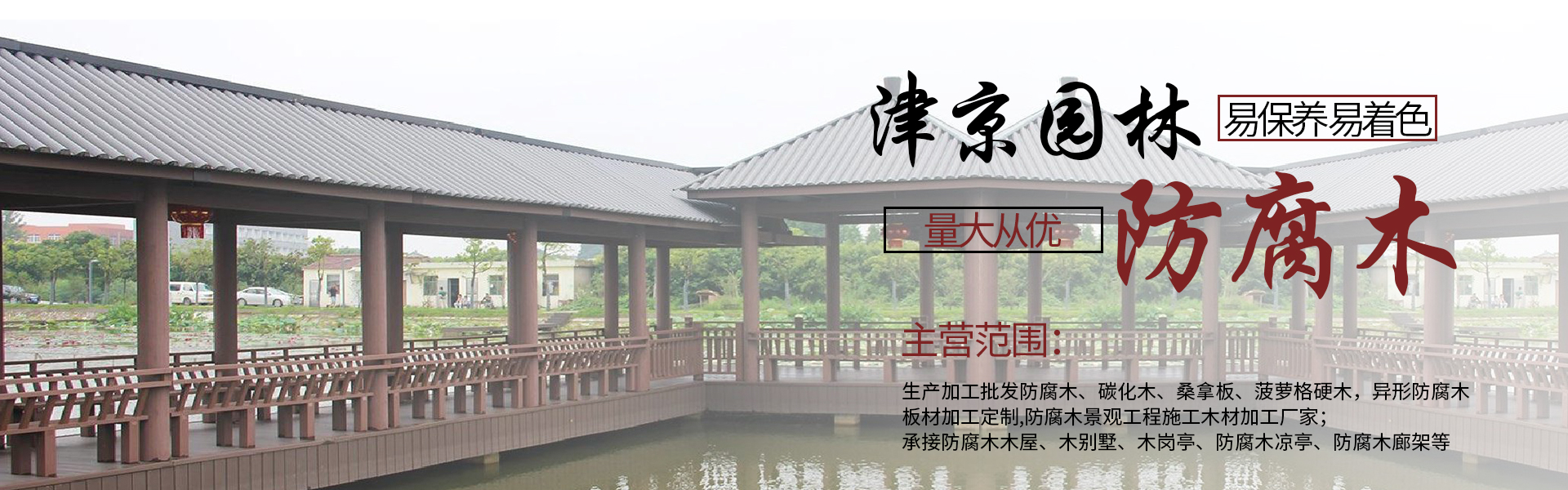
Today, anti-corrosion wood flooring is one of the woods used outdoors. Specifically designed for outdoor environments, it is露天木地板 that can be used directly in areas in contact with water bodies and soil. It serves as material for outdoor wood flooring, garden landscape flooring, outdoor wooden platforms, terrace flooring, outdoor wooden walkways, and other outdoor anti-corrosion wooden shelters.
Anti-corrosion wood flooring should not be coated with polyester paint due to its poor weather resistance, which is not suitable for areas with strong ultraviolet light and prone to peeling and chipping. Instead, use wood finish or wood wax oil for painting, as the finish needs to withstand constant gravitational impact. The coating must not only be glossy but also partially penetrate the wood to adapt to its deformation and exhibit plasticity. Anti-corrosion wood treated with wood oil and paint has high weather resistance, making it less likely to chip or peel when exposed to the outdoors. Both wood oil and paint can penetrate the wood's interior, effectively controlling and sealing moisture from entering and exiting the wood, preventing shrinkage due to external moisture changes. Standard wood oil is fully permeable to anti-corrosion wood, while common wood paint is semi-permeable. Simply sand and repaint after discoloration.