



 通过中商114认证
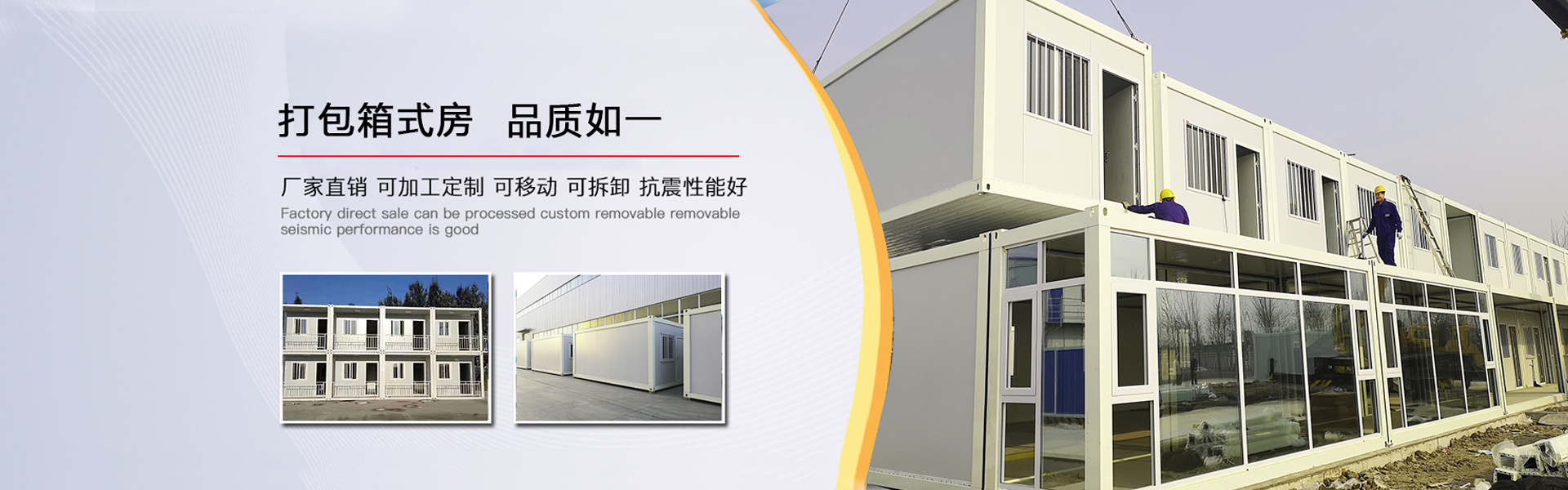
Container houses, also known as inhabitable containers or mobile container housing, derive these names from their conversion from cargo containers.
Freight Container
Early engineering projects often utilized cargo containers as warehouses, offering great convenience. They can be used as toolboxes for transportation, eliminating the need to pack scattered tools and materials during each move. Additionally, they can be easily moved according to construction needs on-site. Another advantage is the recyclability of these container warehouses, making them both convenient and cost-effective. Due to these benefits, there is a strong preference for used cargo containers. Some enthusiasts even insulate them for use as living spaces.
This is the origin of engineering and residential container housing. As demand increased, there was a shortage of used shipping containers, leading merchants to create container houses with a look-alike design for worker dormitories, construction site warehouses, and project office use. This marks a phase of container housing.
Container Housing
Many have recognized the convenience of container houses used on construction sites, earning them widespread popularity. Beyond engineering applications, they are increasingly being used on large-scale farmlands by many farmers, gradually replacing the previous colored steel plate houses.
Folding Container Housing
Despite the advantages of container houses, such as ease of movement and flexible combination, they do have drawbacks. Long-distance transportation can lead to increased costs, prompting the emergence of engineering rental container houses. With a rental price of 6 yuan per square meter per day, many construction site owners find it cost-effective to rent container houses on-site.
