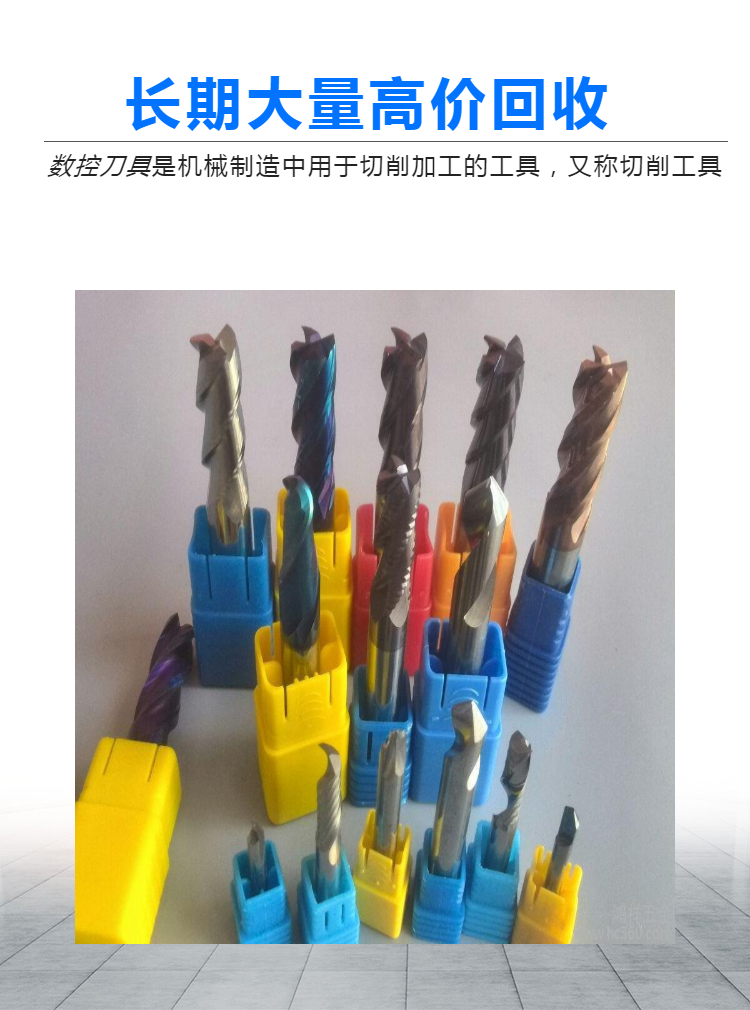
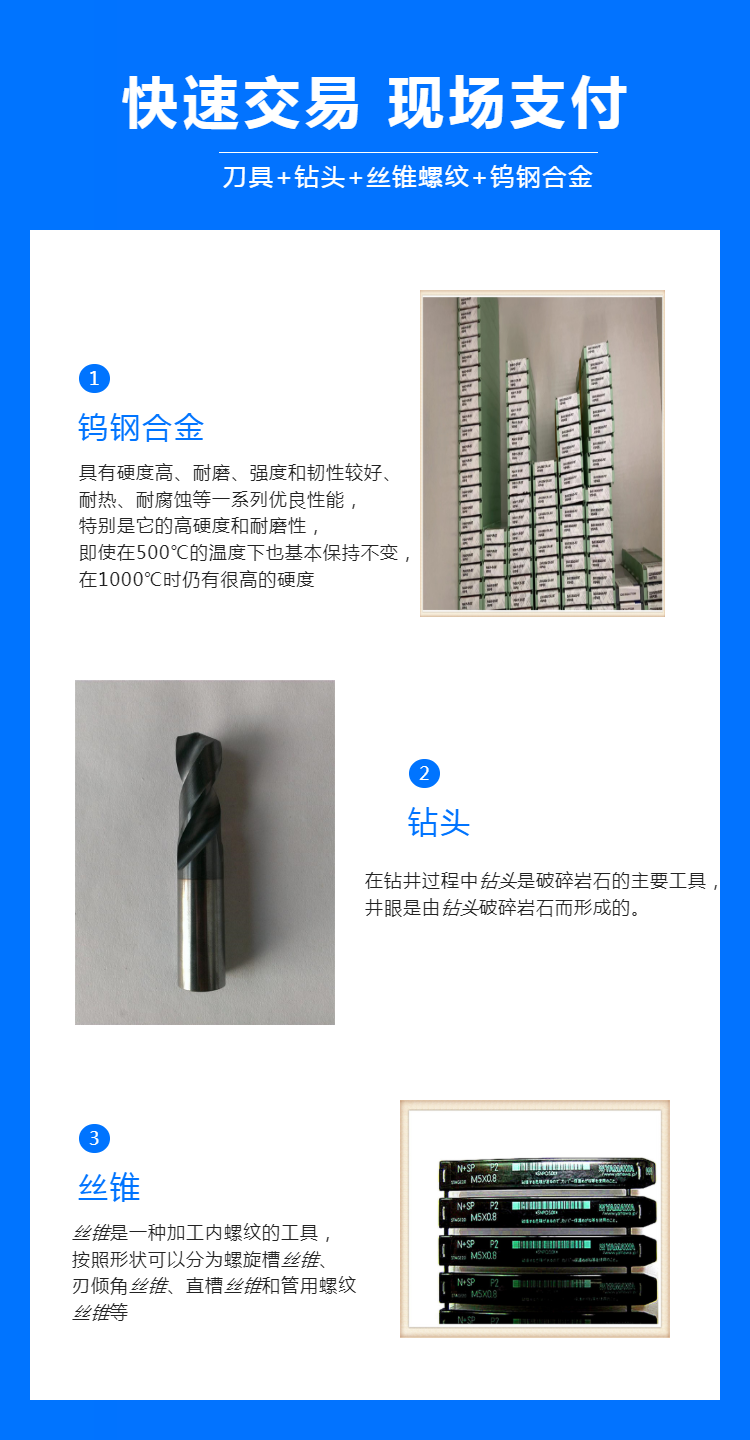
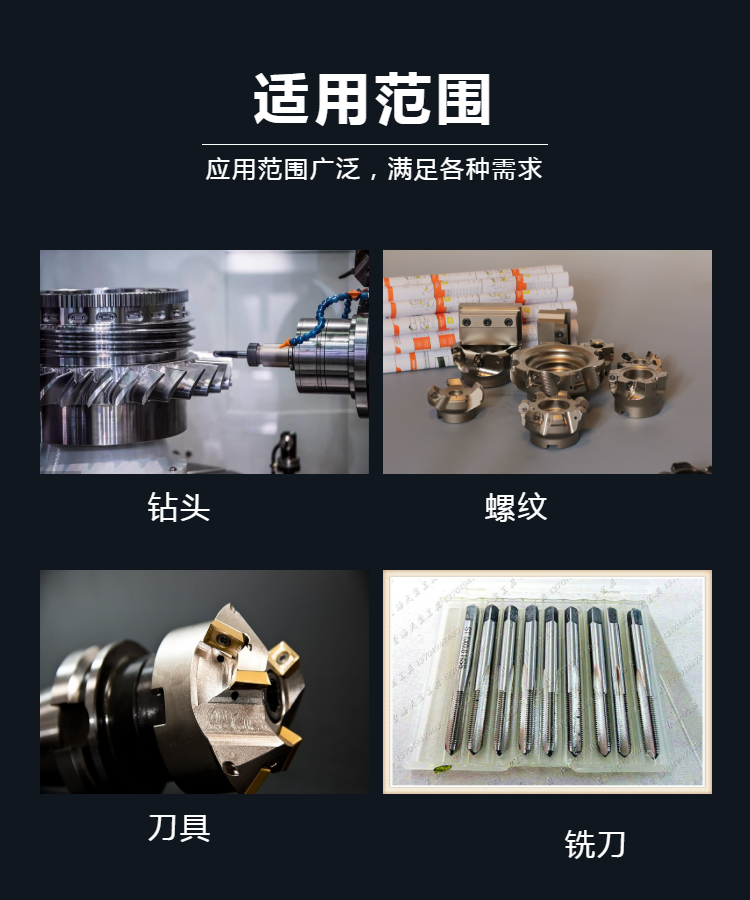
Recycling company for CNC tool blades, CNC tooling, and screw taps and drill bits. The company has always adhered to integrity, service, and commitment as its business philosophy. With a deep understanding of the recycling industry and exceptional service, it has become a highly regarded recycling service provider...
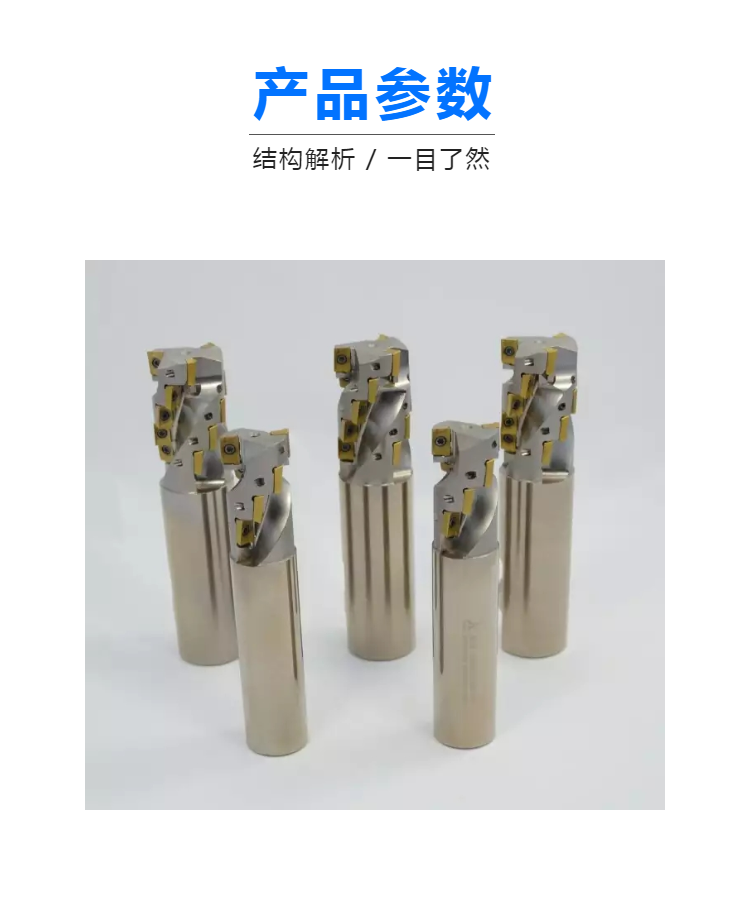
Produced with a unique heat treatment process and imported machining equipment, the cutting machine alloy blades meet industry standards for various performance indicators. Alloy blades are widely used high-speed cutting tools in the mechanical production industry. Hard alloy is produced through powder metallurgy, consisting of hard carbide particles (usually tungsten carbide WC) and a softer metal binder. The use of hard alloy blades for processing can achieve a certain surface roughness. These blades have strong impact resistance and are less likely to shatter suddenly, making them safer to use. Currently, there are hundreds of different alloy blade compositions, with most using cobalt as the binder. Nickel and chromium are also commonly used binder elements. Additional alloying elements can also be added. Why are there so many types of hard alloys, and how do alloy blade manufacturers select the correct blade material for a specific cutting process?
Scrap high-speed steel screw punches, taps, drills, worn high-speed steel milling cutters, saw blades, etc.
Scrap mold steel types SKH-9, SKD11, ASP-60, H13, and other mold steels.
All types of Hi-Spec eyeglass frame scraps (titanium alloy), waste molybdenum wire, cobalt, tin, nickel, titanium, tantalum, niobium, and other rare materials.
Highly priced for the purchase of second-hand reusable milling cutters, second-hand cutting inserts, second-hand tungsten carbide blocks, extrusion taps, and CNC blades. Includes domestic products from Zhuzhou, and imports from Hitachi, Mitsubishi, Sandvik, Kennametal. Also, Dajie, Sandvik, Sumitomo, BIG, NTK, Kyocera, Tungaloy, Kloy, Panshi,伊斯卡, Toshiba, and other cutting inserts.