




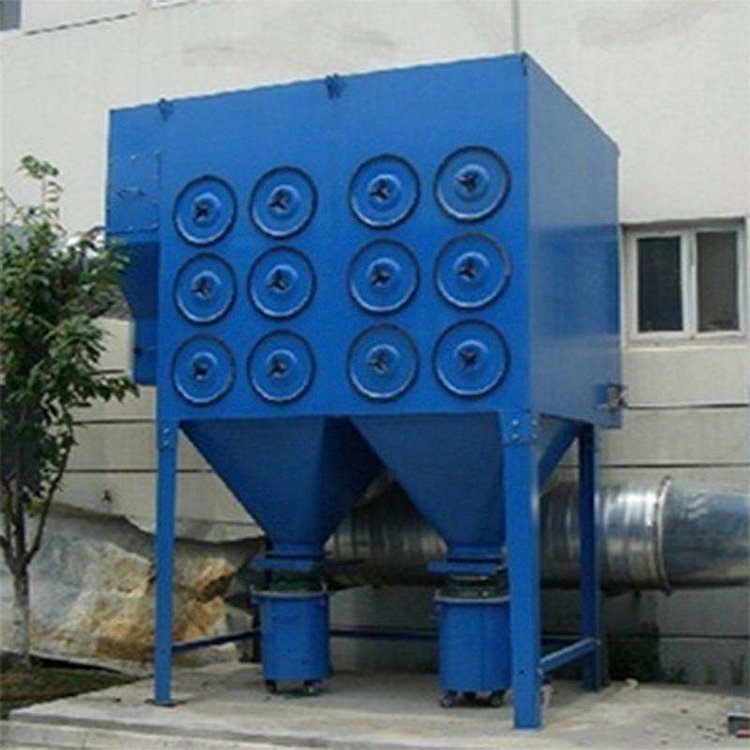
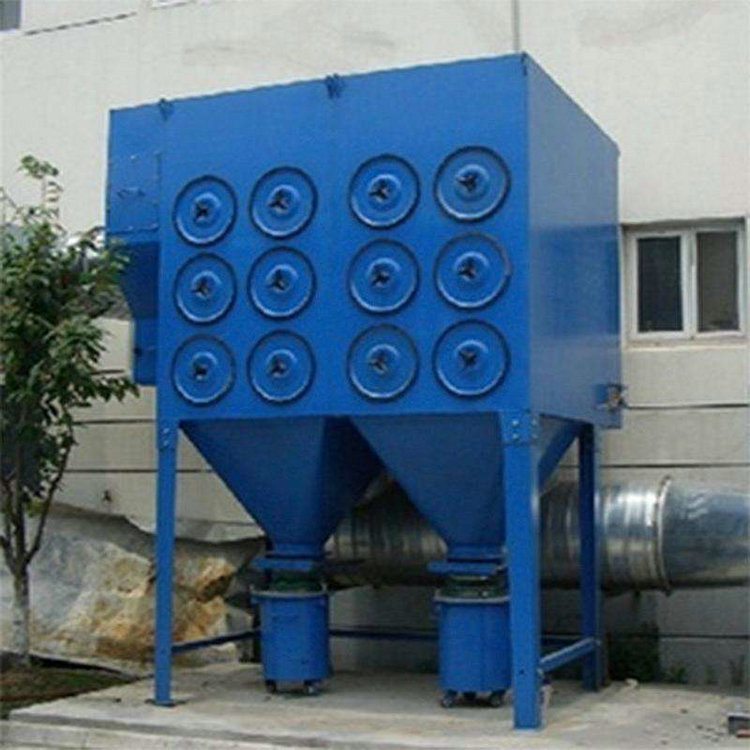
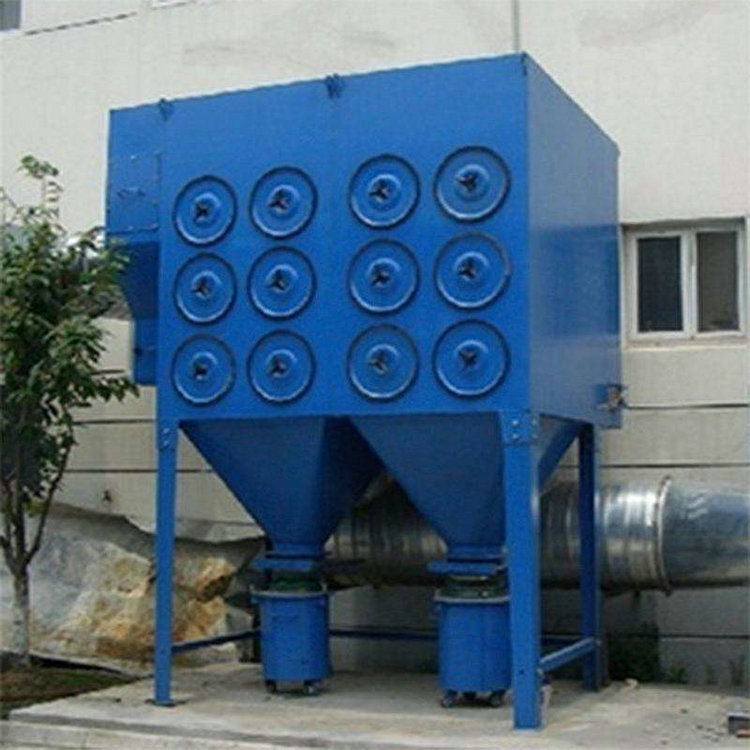
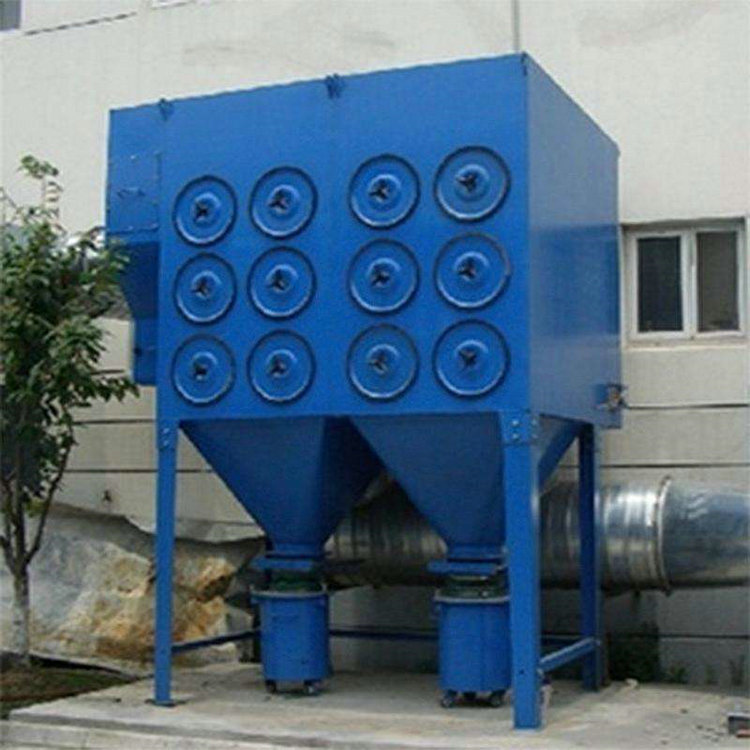
Dust collector, a device that separates dust from flue gas, is also known as a dust removal system. The performance of a dust collector is expressed by the gas volume it can handle, the resistance loss when gas passes through the collector, and the dust removal efficiency. Additionally, the price, operating and maintenance costs, lifespan, and ease of operation and management are also significant factors in considering its performance. Dust collectors are commonly used facilities in boilers and industrial production.
Dust collection hoods are set up in areas prone to dust, and the dusty gas is transported through a pipeline to the dust removal unit via air lines, where gas-solid separation takes place, with the dust collected within the unit and the clean gas either directed to the main pipeline or directly released into the atmosphere. This entire system is known as the dust removal system, and the dust collector is a critical component within it. From a ventilation and dust removal perspective, dust refers to all solid particles that can remain suspended in the air for an extended period. It constitutes a dispersed system known as an aerosol, where air serves as the dispersing medium and solid particles as the dispersed phase. Dust collectors are the equipment used to separate these solid particles from the aerosol.
