
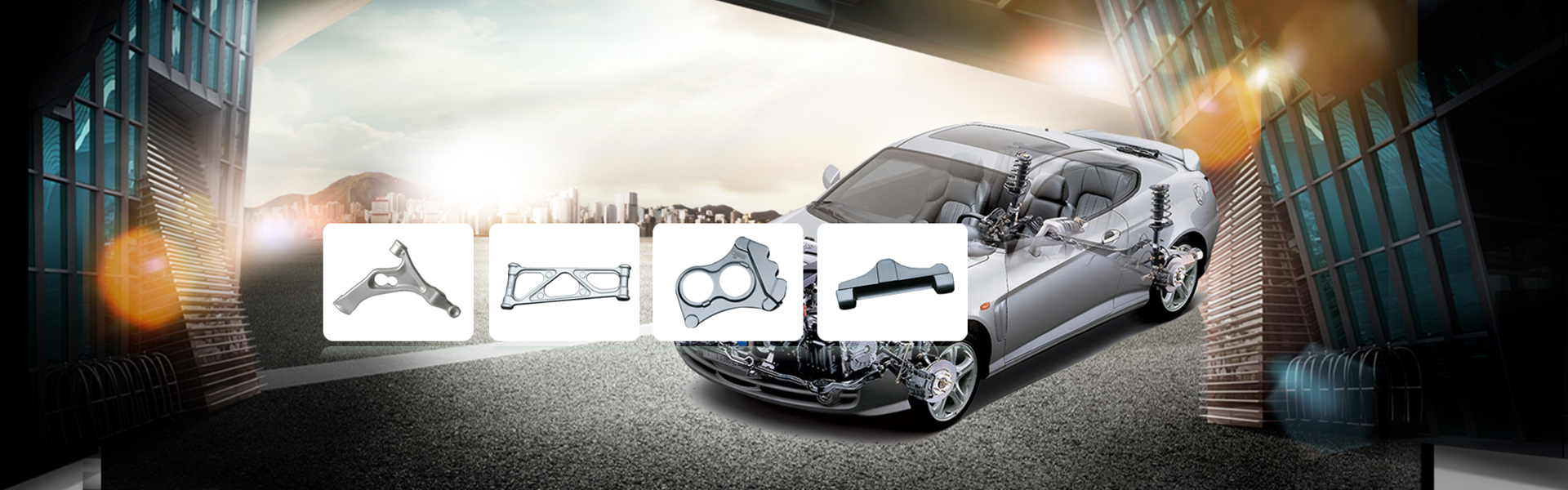
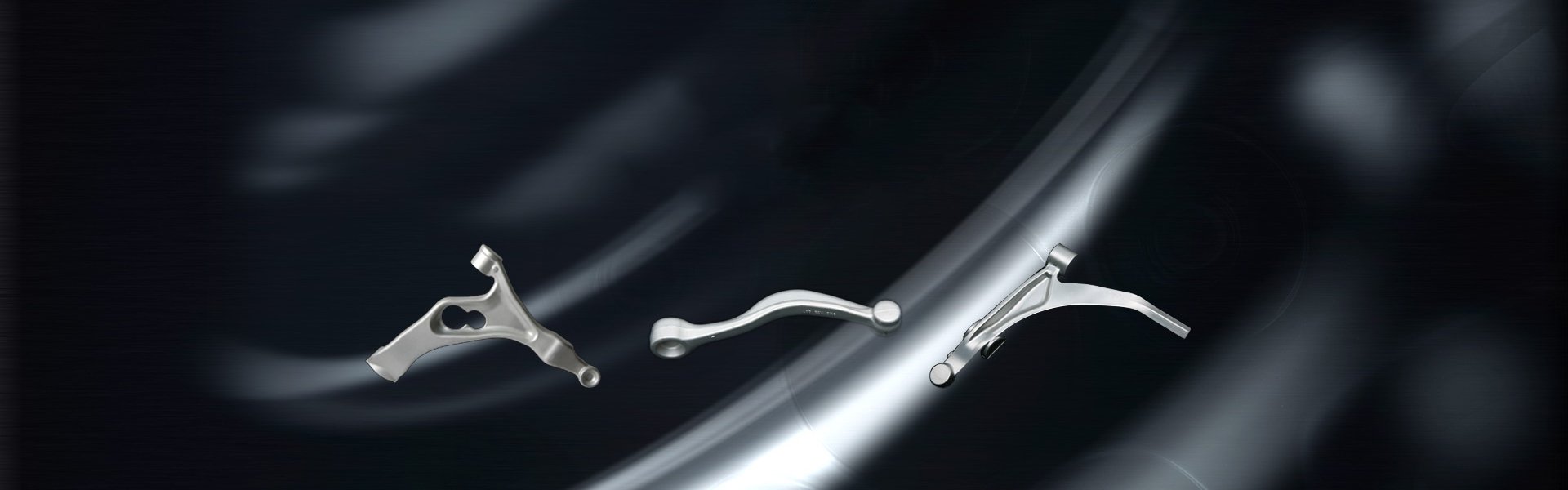

Aluminum forging is a method that applies pressure to metal raw materials using forging presses, promoting deformation and altering the internal organizational state. During the metal smelting and manufacturing process, due to the sparse casting state and low mechanical strength of the metal itself, casting parts often suffer from phenomena like peeling and cracking after forming. Through forging, the internal structural characteristics of the metal before casting can be changed, making it dense and durable, thus maintaining the good properties of the product. So, let's learn how to improve the utilization rate of aluminum forging raw materials.
In the existing aluminum forging process, the oxidation layer on the aluminum surface is often overlooked. This surface film affects the thickness of the forging layer and also influences the structural properties of the forging itself, easily leading to issues like peeling and coarse crystals.
Preparation for aluminum forging includes material selection, calculations, blanking, heating, deformation force calculation, equipment selection, and mold design. It is essential to choose a lubrication method and lubricant. Aluminum forging materials are widely used, including various grades of steel and high-temperature alloys, as well as non-ferrous metals such as aluminum, magnesium, titanium, and copper. There are different sizes of bars and shapes available for one-time processing, along with various ingot specifications; in addition to a large amount of domestically produced goods suitable for our country's resources, there are also materials sourced from abroad.
Its investment is one of the crucial aspects for improving the utilization rate of aluminum forging parts and achieving refined billets. Excess not only leads to waste but also intensifies the wear and energy consumption of boring holes. If there is no excess raw material, it will increase the difficulty of process adjustments and the scrap rate. Moreover, the quality of the ends will also affect the quality of the process and forging parts.
The purpose of aluminum forging is to reduce forging deformation force and enhance metal plasticity. However, heating can lead to a series of issues such as oxidation, decarburization, overheating, and overburning. Proper control of the starting and finishing temperatures in aluminum forging significantly affects the product's structure and properties.
Flame heating offers low costs and high versatility, but it has the drawbacks of longer heating times and susceptibility to oxidation and decarburization, requiring continuous improvement of working conditions. Inductive heating boasts fast heating and minimal oxidation, but it is less adaptable to changes in product shape, size, and material.
Due to the fact that aluminum forging is produced by external forces, accurately calculating the deformation force is fundamental to selecting mold inspection equipment. Analyzing the stress and strain within the deformation body is also essential for optimizing the process and controlling the structure and properties of the forging.
Raw material costs account for 50% to 70% of the production cost in aluminum forging production. Reducing raw materials is the primary means of cost reduction. Aim to replace cutting with shearing or precision shearing, develop new precision shearing technologies and equipment, promote bandsaws, and create high-speed steel or bimetallic blade tips for high-speed circular saws. Improving yield and reducing losses are key measures.
