
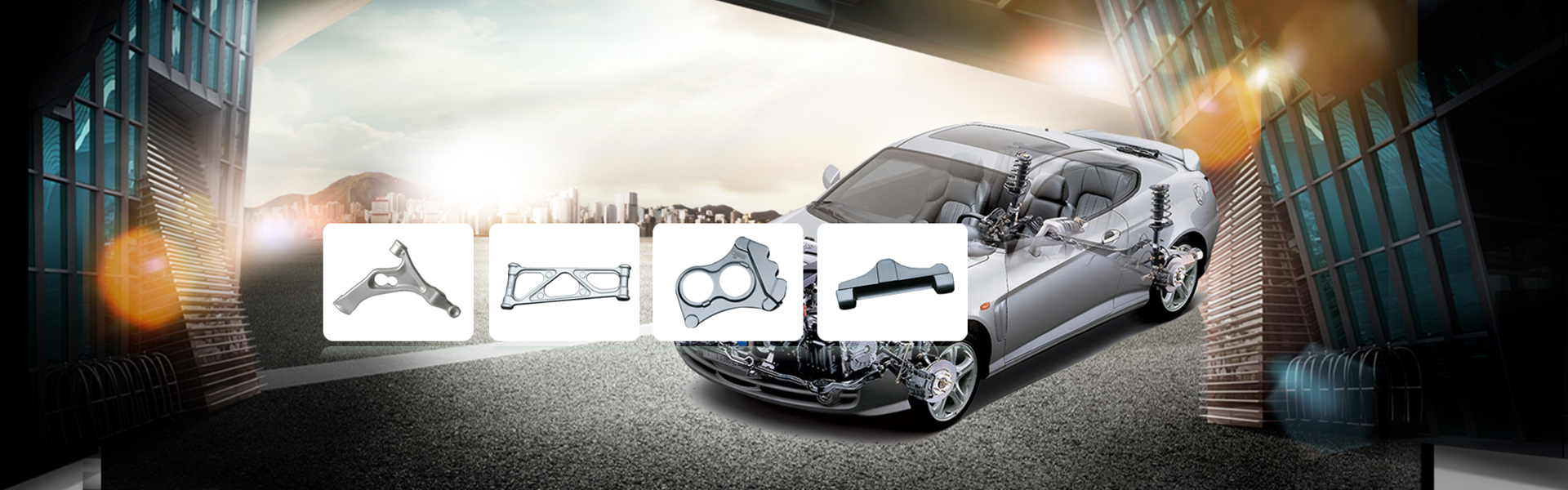

During aluminum forging, plasma cutting machines are commonly used. When selecting a plasma cutter, it's best to opt for one capable of cutting materials over 3mm thick. Additionally, for cutting, automatic cooling or arc cutting should be chosen, mainly used for cutting sheet metal without rubber in the forging process. A frame-type pusher must be equipped during forging, and the equipment should have two negative electrode conductors to prevent arc deviation. The machine should also have an automatic balancing adjustment feature to ensure weld points. Moreover, during the forging process, it's necessary to maintain the aluminum parts intermittently. Below, we'll delve into the basic knowledge of aluminum part maintenance during forging.
(1) During aluminum forging, it is necessary to repair the aluminum parts. When repairing, be mindful that aluminum has a very low resilience, only experiencing simple concave-convex deformation. Initially, determine the number of weld points required to pull out the concave part during the forging process, and then use a plastic hammer to gently flatten it with the aluminum forging technique. Once the weld points are completed, raise all points simultaneously but slowly. Do not hammer during aluminum forging, as the material is soft; severe deformation requires cutting out the deformed section, welding with an aluminum welding machine, and then smoothing it. Additionally, aluminum parts do not expand or contract with heat during forging, as contraction can cause greater damage to the parts.
(2) For the welding method of aluminum forgings during aluminum forging, first confirm that the welding wire is the same as the body material, then clean the body with a cleaner or polishing machine to remove all dust and paint. When welding an aluminum body, the welding joint should be free of debris and the appropriate current should be adjusted. Use short arc welding as much as possible to avoid piercing and repairs. Welders should note that push-welding should be used for the aluminum material as much as possible.
Compared to conventional forging methods, aluminum forging boasts advantages such as a lower melting point, strong oxidation resistance, high thermal conductivity, and large coefficient of linear expansion. Traditional spot welding has numerous defects, like micropores and cracks. Consequently, processing enterprises need to make process improvements, equipment upgrades, or even replace equipment outright. Particularly when forging aluminum alloy products, selecting the appropriate forging equipment is crucial. Currently, many companies opt for methods like medium-frequency welding, laser welding, CMT, and SPR riveting when performing aluminum forging. Clearly, these welding techniques are more challenging to control and are more expensive in terms of equipment costs.
Additionally, it's important to note that due to the low surface hardness of aluminum alloys, they are prone to scratches. Their low modulus of elasticity results in significant springback during stamping, poor deep drawing performance, and low elongation, making cracking more likely. Therefore, during aluminum forging, it is crucial to understand and manage the complex process of machining control.
