

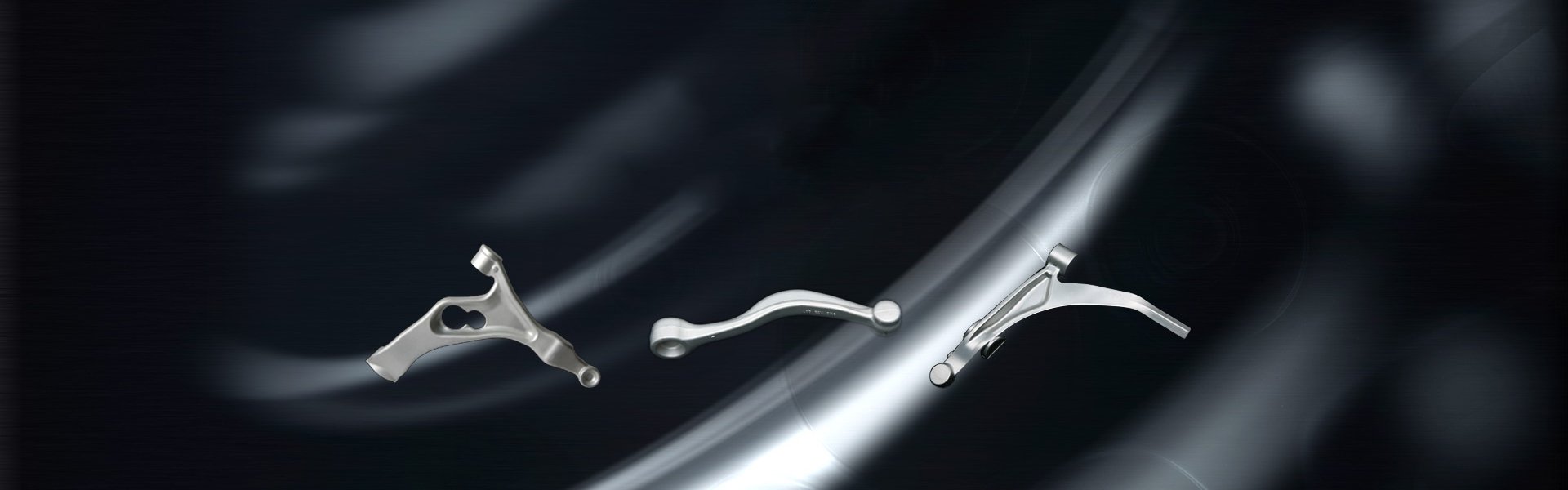

Forging production is one of the primary methods for providing blanks of mechanical parts to various industrial sectors. Aluminum alloy, a widely used non-ferrous metal, ranks second only to steel in terms of production volume. Forged aluminum alloys possess a series of excellent properties and can alter the metal microstructure of the alloy after forging, effectively enhancing its performance.
Forging holds a crucial position in the industrial sector, with aluminum alloys being commonly used materials. Any forgings that can be made from low-carbon steel can also be produced using aluminum alloys. Most forged aluminum alloy parts are safety-related, and with large production volumes, there is a high demand for the inherent quality of the aluminum alloy material.
Process Features of Forging Aluminum Alloys:
Aluminum alloys have low plasticity. The plasticity of aluminum alloys is greatly influenced by the alloy composition and forging temperature, and its sensitivity to deformation rate varies with the content of alloy elements. As the content of alloy elements increases, plasticity continues to decrease and becomes more sensitive to deformation rate. The level also rises. Most aluminum alloys are sensitive to the positive strain rate, meaning the active stress decreases with the reduction in deformation rate. Therefore, large-sized forged aluminum alloys for aviation applications are typically formed using hydraulic or hydrostatic presses, while medium and small-sized aluminum forgings can be produced using screws, presses, or mechanical presses.
2. Forged aluminum alloys offer strong adhesion. Due to the solid solubility of aluminum and iron, aluminum alloys often stick to the mold during the forging process. It is generally believed that sinter oil can provide a better smoothing effect. In recent years, large companies have also developed aluminum alloy smoothing agents suitable for industrial applications. Some domestic companies also formulate their own oil-based or water-based lubricants, which yield excellent results.
3. Narrow temperature range for aluminum alloy forging. Most aluminum alloy forgings are within a temperature range of 150℃ or less, with some requiring as low as 70℃. Therefore, to ensure good forgeability of aluminum alloys, often a variety of heating methods are needed during the forging process. Particularly for aerospace and military products, which demand strict performance standards, the processing of aluminum materials and components typically involves isothermal forging during shaping to consume the material.
4. The aluminum alloy forging process exhibits minimal deformation. Aluminum forging typically does not permit minimal machining and significant deformation to prevent coarse grains or cracks. Therefore, it is often necessary to allocate the total deformation amount reasonably. The opening process of the billet has a considerable impact on the product's shaping results. After repeated procedures, the temperature of the workpiece is usually below the required forging temperature, necessitating reheating.
5. It boasts excellent casting properties with high fluidity, low shrinkage rate, minimal吸气tendency, and good airtightness. The tendency to thermal cracking is minimal, and the melting process is simple, eliminating the need for modification treatment and crystallization under pressure. It is suitable for casting parts with complex shapes and high static loads.
