
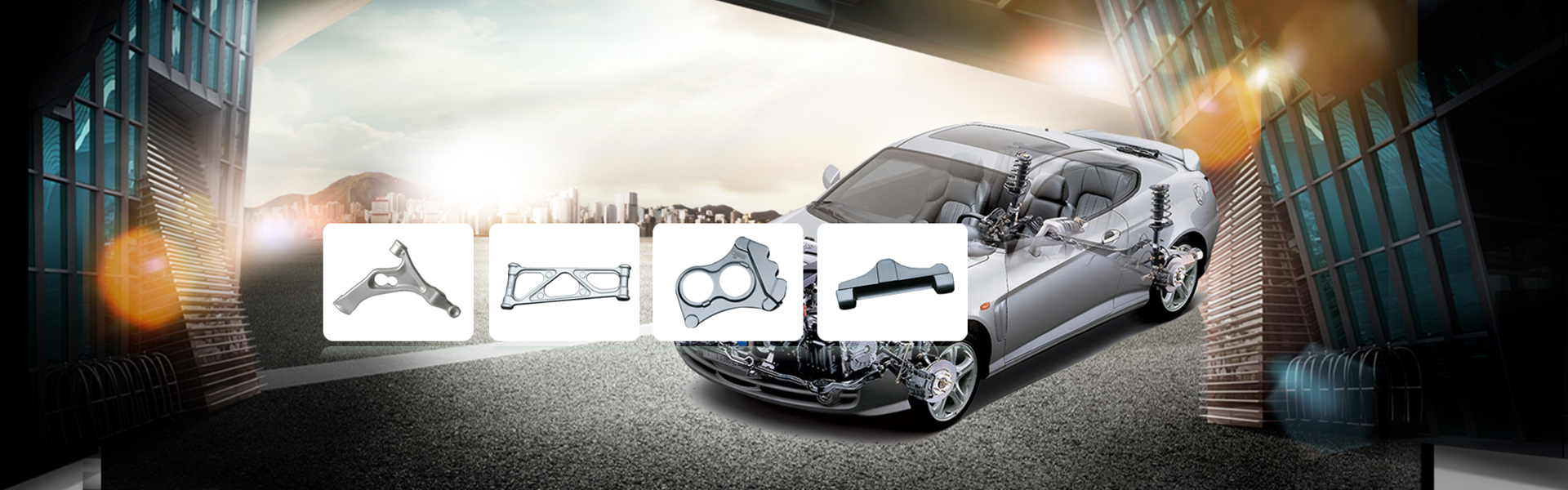

Preparation for aluminum forging includes raw material selection, material calculation, cutting, heating, deformation force calculation, equipment selection, and mold design. Prior to forging, the lubrication method and lubricant should be selected.
The range of forging materials for aluminum is extensive, encompassing various grades of steel and high-temperature alloys, as well as non-ferrous metals like aluminum, magnesium, titanium, and copper. It includes not only different sizes of bars and shapes for one-time processing but also a variety of ingots. Besides a large assortment of domestically produced goods suitable for our resources, there are also materials sourced from abroad. Most forging materials have been standardized, with many being new material developments, trials, and promotions. As is well-known, product quality is often closely related to the quality of raw materials, so forging workers must possess material knowledge and be adept at selecting appropriate materials based on process requirements.
Counting and cutting materials is a crucial step in improving material utilization and achieving refined blank production. Excessive materials not only lead to waste but also exacerbate the wear on mold cavities and energy consumption. Without cutting allowances, it increases the difficulty of process adjustments and the rate of defective products. Additionally, the quality of the punch cutting face also affects the process and forging quality.
The purpose of heating is to reduce forging deformation force and enhance metal plasticity. However, heating also brings about a series of issues such as oxidation, decarburization, overheating, and overburning. The control of initial and final forging temperatures significantly impacts the product's structure and performance.
Flame heating offers advantages such as low cost and high versatility, but it has the drawback of longer heating times, prone to oxidation and decarburization, and requires constant operating conditions. Inductive heating boasts quick heating and minimal oxidation, but it is less adaptable to changes in product shape, size, and material.
Aluminum forging is the result of external force. Therefore, accurately calculating the deformation force is the foundation for selecting equipment and verifying molds. Stress-strain analysis within the deformation body is also essential for optimizing the process, controlling the microstructure and properties of forgings.
There are mainly four methods for analyzing deformation. The principal stress method, although not very rigorous, is relatively simple and intuitive, allowing for the calculation of total pressure and stress distribution on the contact surface between the workpiece and the tool. The slip line method is strict for plane strain problems, offering a direct solution for stress distribution in locally deformed tall components, but its application range is relatively narrow. The upper bound method can provide an overestimated load, and upper bound elements can also predict the shape changes of the workpiece during the deformation process.
Finite element method not only provides the changes in external loads and workpiece shapes, but also the internal stress-strain distribution. The drawback is that it requires a significant amount of computer time, especially when using elastic-plastic finite element method, which demands large computer capacity and long machine hours. For instance, there is a trend towards using a combined method to analyze problems. The upper bound method is used for rough calculations, while the finite element method is applied for detailed calculations in critical areas.
Reducing friction not only saves energy but also extends the lifespan of molds. Due to even deformation, it helps improve the structure and properties of forgings, and one of the key measures to reduce friction is the use of lubrication. Since different forging methods and working temperatures require different lubricants. Glass lubricants are commonly used for forging high-temperature alloys and titanium alloys. For hot forging of steel, water-based graphite is widely used as a lubricant, while for cold forging, due to higher pressure, aluminum materials often require phosphate or citrate treatment before forging.
